
Patagonia
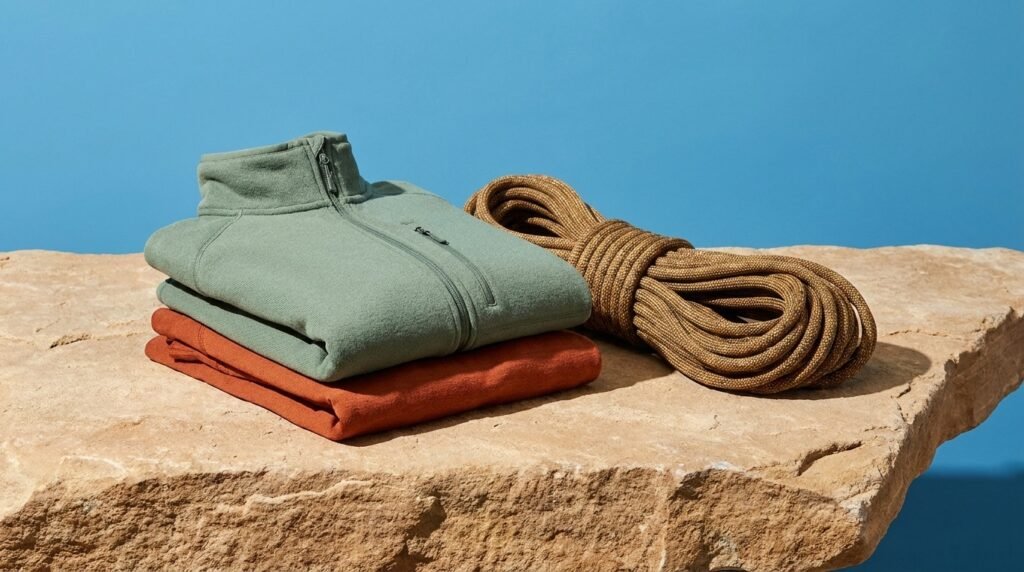
Quick verdict: Patagonia is the brand every other conscious label gets measured against, and it earns that spot. Durable gear, a real repair-and-resale system, recycled materials at a scale almost nobody matches, and an ownership structure that legally routes profits to the planet. It’s expensive, and it isn’t perfect. But if you’re asking whether Patagonia is actually sustainable, the answer lands closer to yes than for any brand its size. Our rating: 4.9 out of 5.
Who they are
Patagonia started in 1973 making climbing gear and grew into one of the most recognized outdoor brands in the world. It sells technical outerwear, fleece, base layers, and a smaller line of everyday basics, all built to survive years of hard use. What sets it apart isn’t a tagline. In 2022 founder Yvon Chouinard gave the company away: ownership moved to the Patagonia Purpose Trust and a nonprofit called the Holdfast Collective, and every dollar of profit not reinvested in the business now goes toward fighting the climate crisis. That’s roughly $100 million a year.
What they get right
A lot, and it’s verified rather than claimed.
- B Corp certified, with one of the highest scores in the industry. Patagonia was the first California company to certify, and its B Corp score sits around 115, well past the 80 needed to pass.
- Fair Trade sewing across most of the line. More than 90% of its products are sewn in Fair Trade Certified factories, which sends a premium straight back to the workers.
- Recycled materials at real scale. By late 2025 the brand had nearly eliminated virgin petroleum fabrics, running on 98% recycled polyester and 94% recycled nylon.
- Worn Wear. Its resale and repair program buys back, fixes, and resells used gear. Keeping a garment in use longer is the single most effective move in all of apparel, and Patagonia built a whole business around it.
- 1% for the Planet. Chouinard co-founded it, and the brand gives 1% of sales, not profits, to environmental groups every year.
Where they fall short
No brand gets a free pass, and Patagonia has real tradeoffs.
It’s expensive. A jacket runs well past $200, which puts it out of reach for a lot of people, and “buy it for life” only helps if you can afford the entry price. It’s also still a company selling new products, many of them synthetic. Recycled polyester beats virgin, but it’s still plastic, and it still sheds microfibers in the wash. And there’s an honest tension in a brand that tells you to buy less while continuing to grow. Patagonia is more upfront about that tension than most, but it doesn’t vanish.
What they sell, and what it costs
Outerwear, fleece, base layers, waders, bags, and a smaller run of everyday clothing. Pricing sits firmly premium, from around $100 for a base layer up past $500 for a technical shell. The case for the cost is longevity: a fleece worn for 10 years and then resold through Worn Wear has a very different cost-per-wear than a $40 one that pills in a season.
Who it’s actually for
Anyone buying outdoor or technical gear who can stretch to the price and wants it to last. It’s also the easy pick if you’d rather shop your values without researching every single purchase. If budget is the constraint, buy it secondhand: Worn Wear exists precisely so you don’t have to pay full price for the same garment.
Deals & discounts
No active code right now. Patagonia rarely discounts new product, which is part of its anti-overconsumption stance, so the best value is Worn Wear, where used gear sells for a fraction of retail. We’ll add codes here if any come available.
Frequently asked questions
Is Patagonia actually sustainable?
More than almost any brand its size, yes. It runs on 98% recycled polyester and 94% recycled nylon, sews over 90% of its line in Fair Trade Certified factories, and its profits are legally directed to fighting climate change. It isn’t zero-impact, since it still sells new synthetic products, but it clears the bar by a wide margin.
Who owns Patagonia?
Since 2022, Patagonia is owned by the Patagonia Purpose Trust and the Holdfast Collective, a nonprofit. Founder Yvon Chouinard gave the company away, and every dollar of profit not reinvested in the business now funds environmental causes, roughly $100 million a year.
Is Patagonia a certified B Corp?
Yes. Patagonia was the first company in California to certify as a B Corporation, and it holds one of the highest B Corp scores in the apparel industry, around 115.
Is Patagonia worth the price?
On cost-per-wear, usually yes. The gear is built to last years and is backed by the Worn Wear repair and resale program. If the upfront price is a barrier, buying secondhand through Worn Wear gets you the same garment for much less.
Related reading
New to shopping this way? Start with our guide to sustainable fashion. And if you want to see the other end of the spectrum, read our investigation into whether Lululemon is actually sustainable.