Squalane, Niacinamide and Hyaluronic Acid: What Each Actually Does
Three ingredients do most of the talking on moisturizer labels. One has real clinical trials behind it, one needs a partner to work, and one has a shark problem.

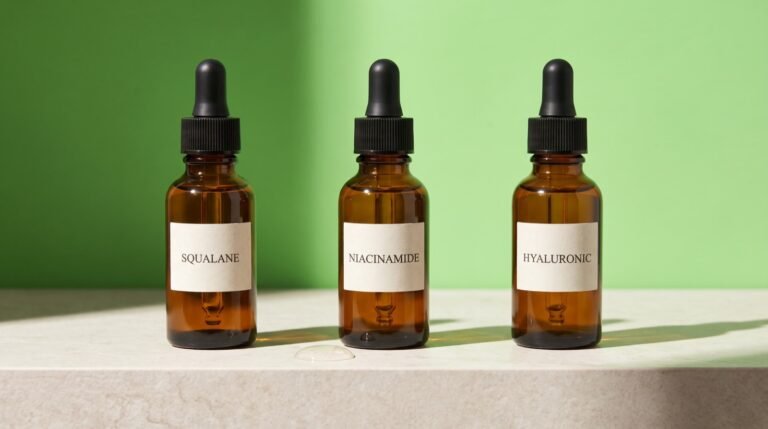
Three ingredients do most of the talking on moisturizer labels. One has real clinical trials behind it, one needs a partner to work, and one has a shark problem.
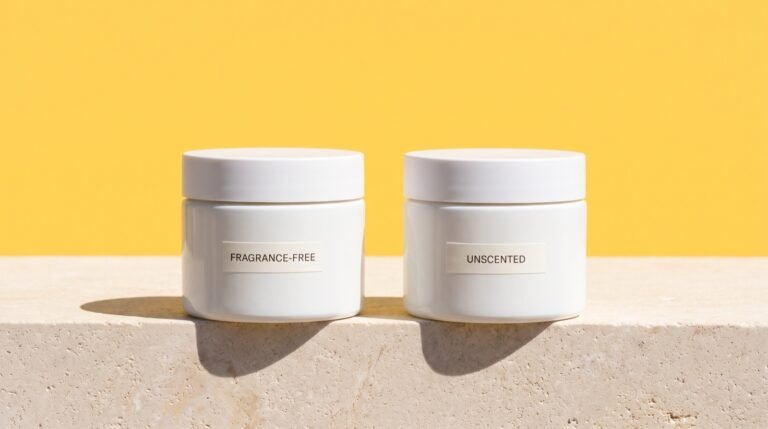
An unscented product can contain fragrance added to cover a smell. The FDA says so itself. What each label means, what patch testing keeps finding, and how to read past both.
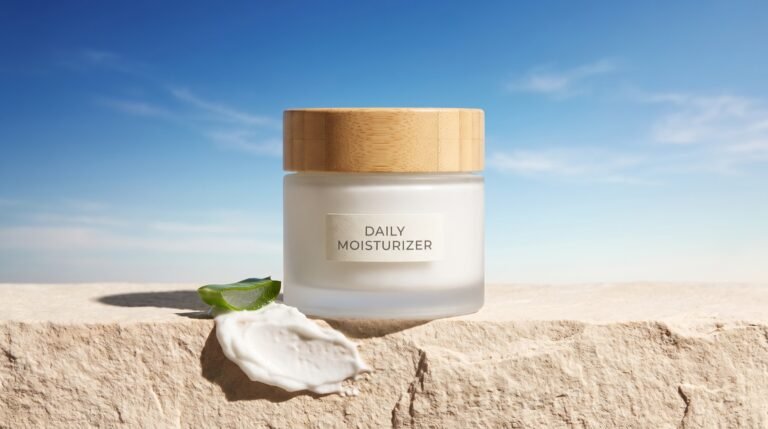
Seven face moisturizers whose certifications we re-checked on the certifier’s own register this month, with prices from each brand’s storefront and two ownership changes nobody announced on the label.
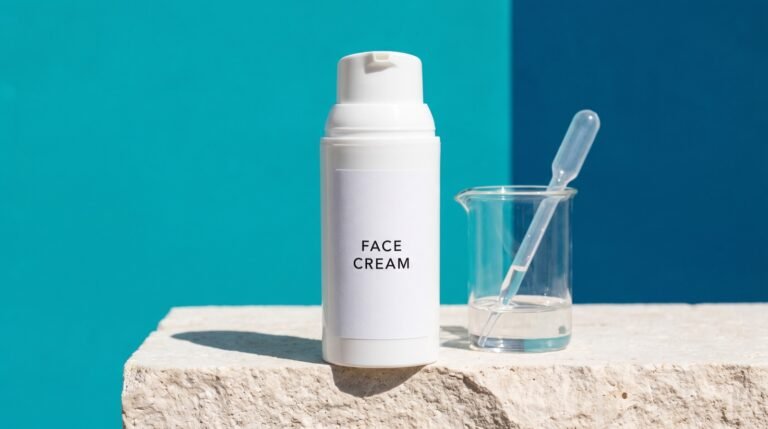
Phenoxyethanol turned up in half the clean beauty aisle when parabens fell out of favor. What the EU limit is, what the safety reviews found, and why preservative-free is the riskier bet.
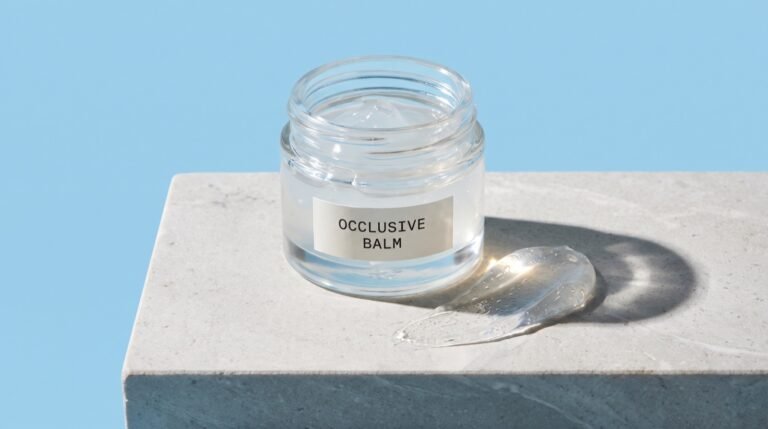
Mineral oil sits on every clean-beauty blacklist. The cancer research behind that reputation is about untreated industrial oils, not the refined grade in your moisturizer.
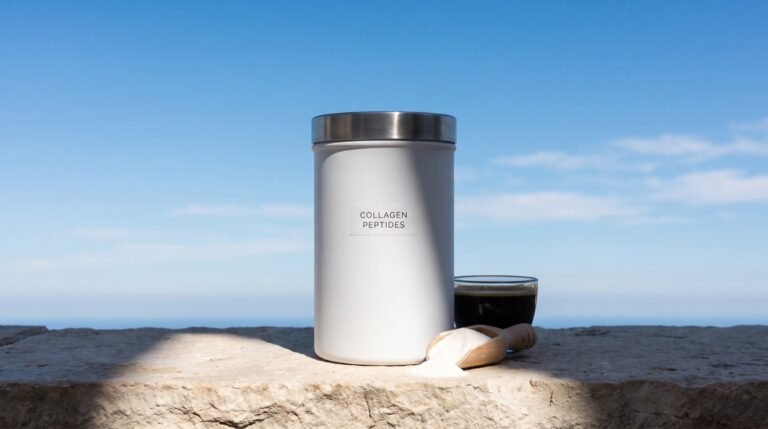
Lead turned up in more than a third of collagen powders in one independent test. These six have short labels, sourcing you can trace, and testing you can look up yourself.
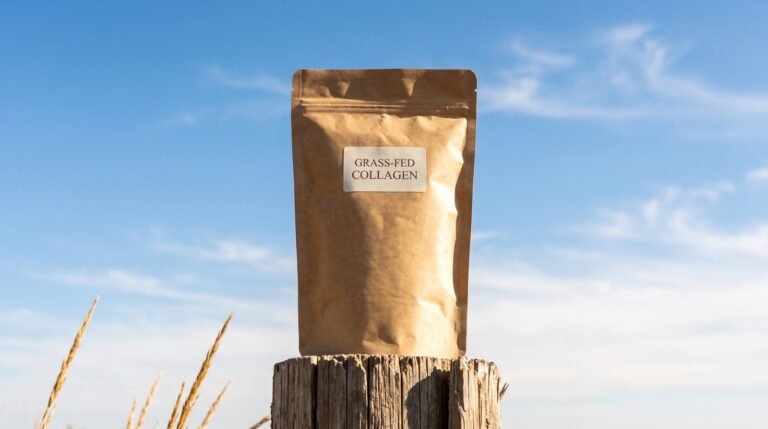
Grass-fed and pasture-raised are printed on nearly every collagen tub, and almost nobody outside the company checks them. Which sourcing claims mean something, and how to tell.
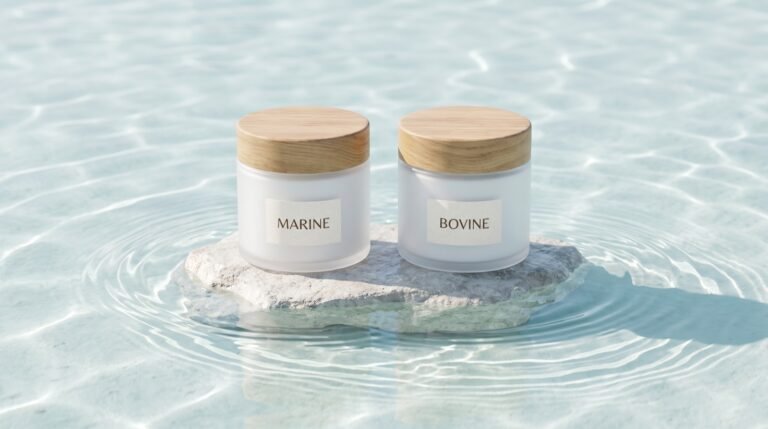
Marine collagen gets sold as the better-absorbed, premium option. A 2024 trial found fish, pork and beef collagen all reached the blood. Here’s where the source really does matter.
When 30 collagen powders went to an independent lab, lead showed up in 37% of them. What the testing found, why chocolate keeps losing, and how to pick a cleaner tub.
Pooled collagen trials show small skin gains. A 2025 meta-analysis split them by who paid, and in the independent trials the effect disappeared. Here’s what holds up.