Why We Don’t Recommend Organic Basics
Organic Basics makes good essentials from organic cotton and recycled fibers. We still won’t put it in our directory, and the reason has nothing to do with the clothes.

Organic Basics makes good essentials from organic cotton and recycled fibers. We still won’t put it in our directory, and the reason has nothing to do with the clothes.
Allbirds went public in 2021 as the sustainable shoe company. Then the stock collapsed, Nasdaq sent a notice, and it did a 1-for-20 reverse split. Here’s what that means for the shoes.
Brilliant Earth built its brand on “Beyond Conflict Free” diamonds. Reporting has questioned how far that traceability actually reaches. Here’s what holds up and what doesn’t.
An independent lab cut open the cactus, apple and pineapple leathers and found polyurethane underneath nearly all of it. One brand publishes the number itself.
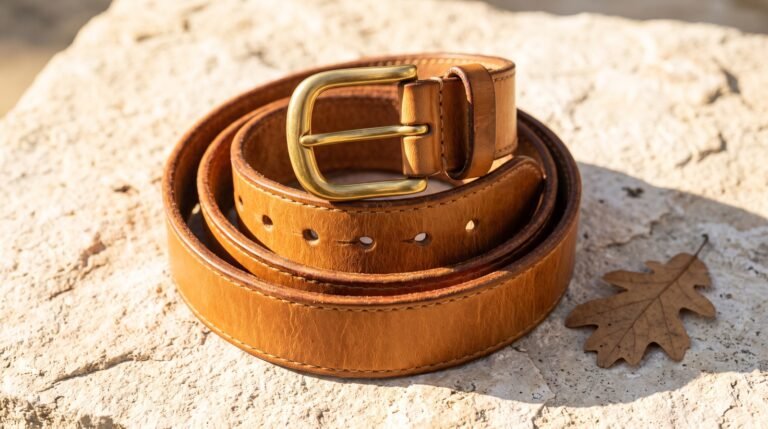
Veg-tan is the one everyone calls the clean option. Per tonne of hide, its wastewater carries several times the organic load of chrome tanning. Both facts matter.
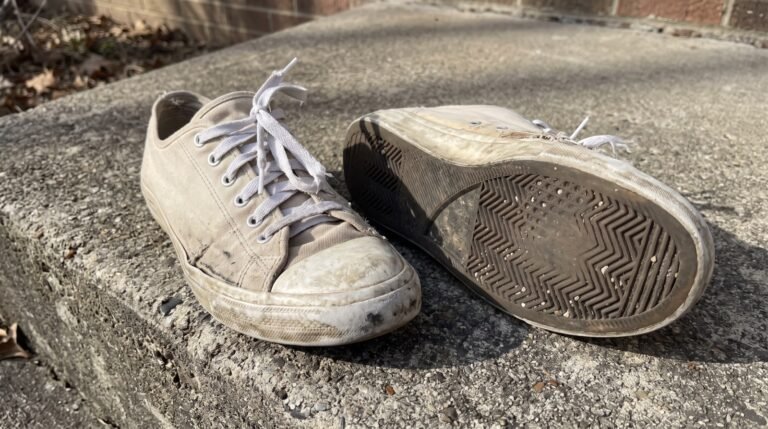
Reporters hid trackers in shoes donated to a recycling program. The shoes turned up for sale in Indonesian markets. The scandal isn’t quite the one you’d expect.
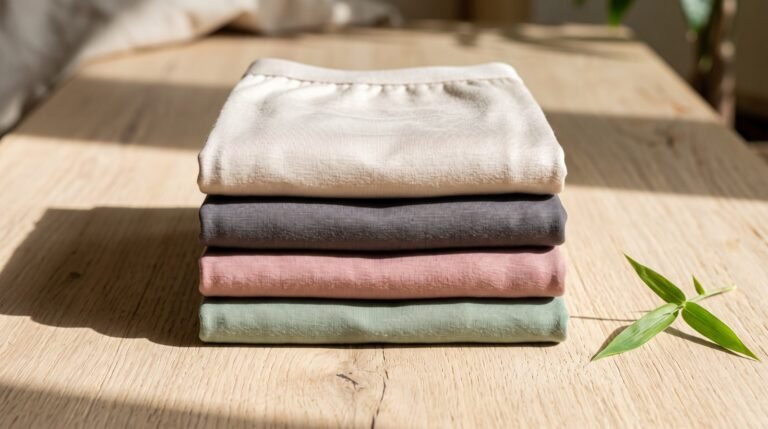
The FTC has fined retailers $6.8 million over one word on a label. Here’s what happens to the plant between the field and your underwear drawer.
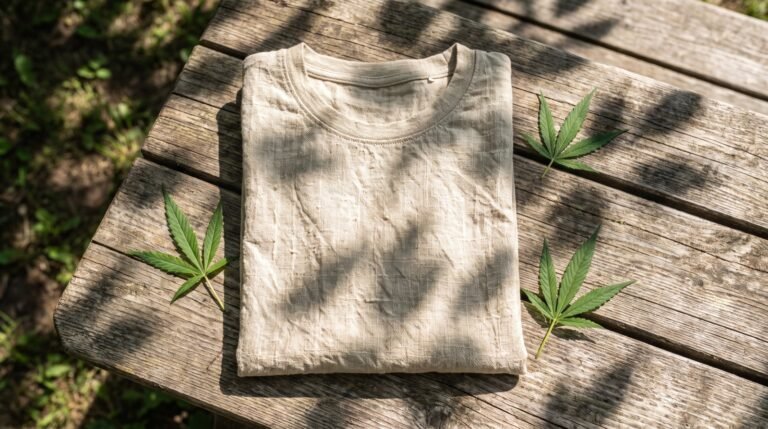
Hemp needs no irrigation and grows three times the fiber per acre. Then there’s the step that makes it wearable, and that’s where the clean story gets complicated.
India’s organic cotton output doubled in four years while the seed supply didn’t move. Somebody checked a QR code, and it led to a cloned government website.
Silver-treated leggings promise you’ll never smell. When somebody ran the experiment on real people rather than in a petri dish, the treated shirts did no better.