Is Mineral Oil Bad for Your Skin? An Honest Answer
Mineral oil sits on every clean-beauty blacklist. The cancer research behind that reputation is about untreated industrial oils, not the refined grade in your moisturizer.

Mineral oil sits on every clean-beauty blacklist. The cancer research behind that reputation is about untreated industrial oils, not the refined grade in your moisturizer.
Phenoxyethanol turned up in half the clean beauty aisle when parabens fell out of favor. What the EU limit is, what the safety reviews found, and why preservative-free is the riskier bet.
Seven face moisturizers whose certifications we re-checked on the certifier’s own register this month, with prices from each brand’s storefront and two ownership changes nobody announced on the label.
An unscented product can contain fragrance added to cover a smell. The FDA says so itself. What each label means, what patch testing keeps finding, and how to read past both.
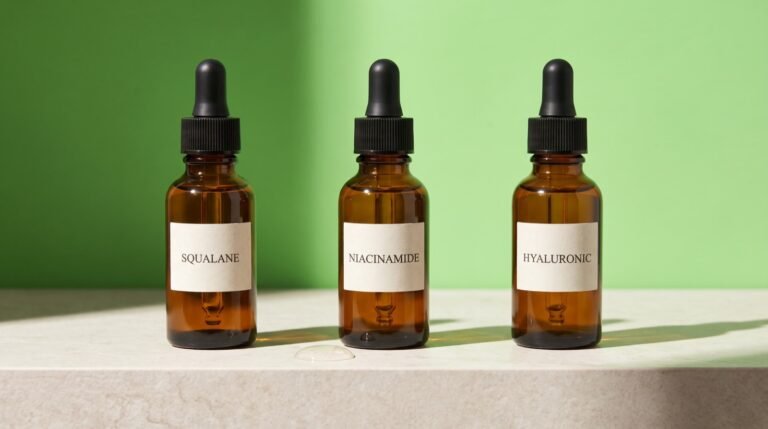
Three ingredients do most of the talking on moisturizer labels. One has real clinical trials behind it, one needs a partner to work, and one has a shark problem.
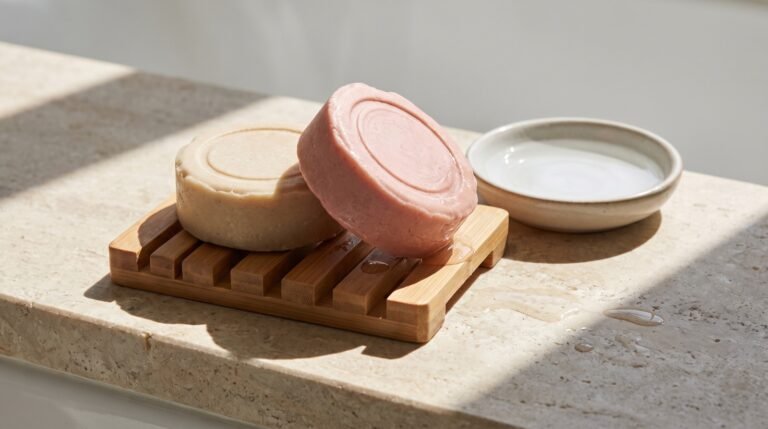
The waxy film everyone calls the transition period has a chemical name. It isn’t your scalp adjusting, and it doesn’t end on its own.
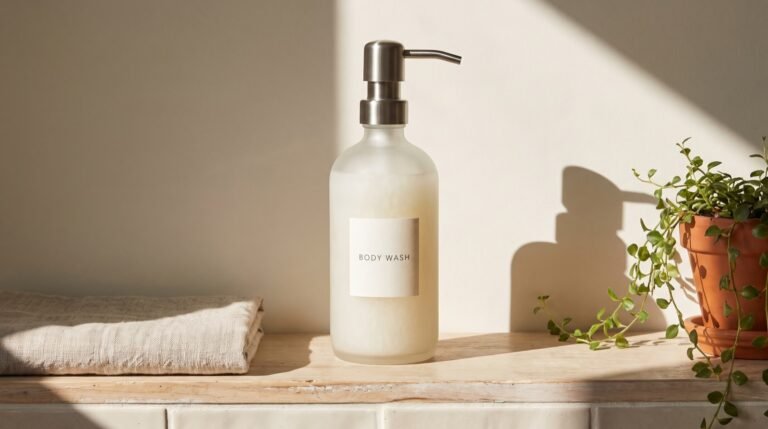
Yes, and almost none are. The reason is the ingredient that makes body wash foam, plus a rule that stops water counting toward anything.
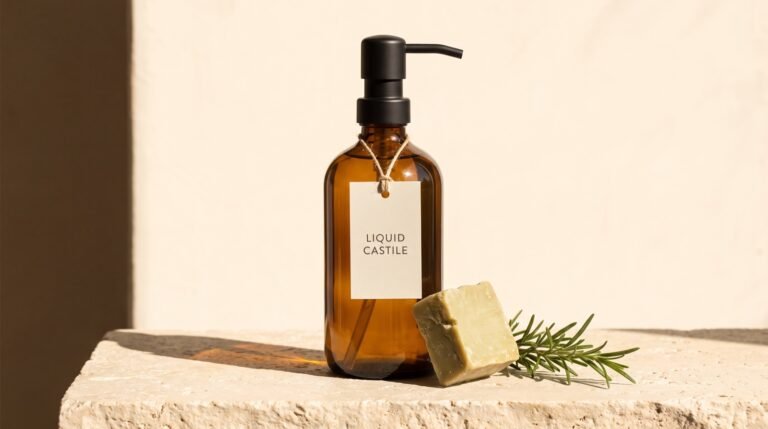
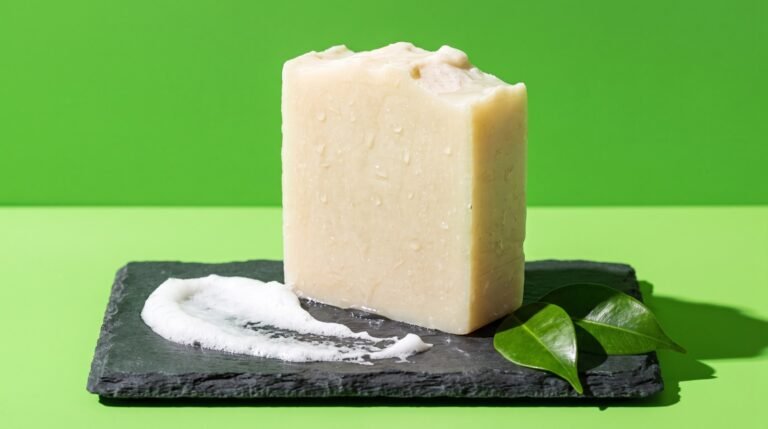
Castile soap runs around pH 9 and your skin sits at 4.7. That gap isn’t a flaw a better brand could fix. It’s what soap is.
Certification cut deforestation by a third, which sounds like a win until you see where the certified plantations were. And boycotting palm may be worse than buying it.
The breast cancer claim doesn’t hold up and neither does the Alzheimer’s one. There’s still a warning printed on every tube, and it’s there for a real reason.