Can Body Wash Be USDA Organic Certified?
Yes, and almost none are. The reason is the ingredient that makes body wash foam, plus a rule that stops water counting toward anything.

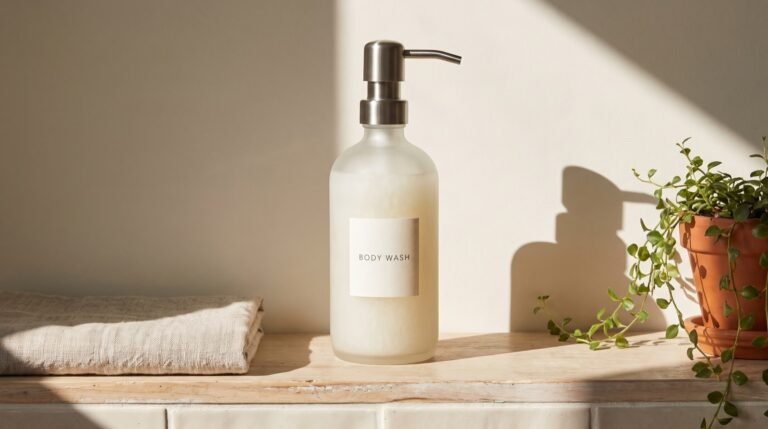
Yes, and almost none are. The reason is the ingredient that makes body wash foam, plus a rule that stops water counting toward anything.
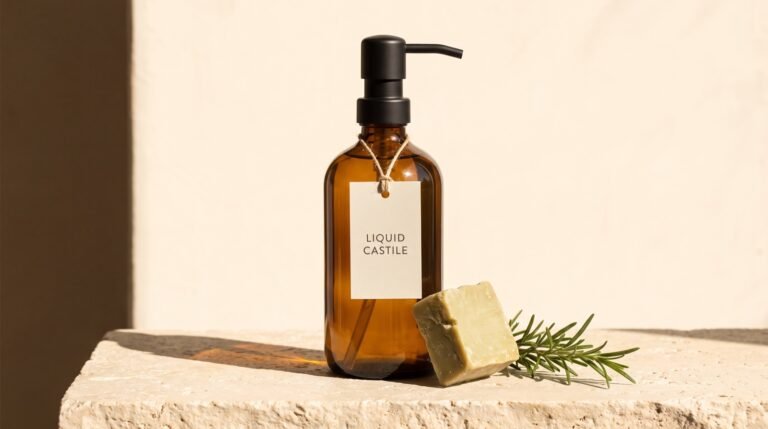
Castile soap runs around pH 9 and your skin sits at 4.7. That gap isn’t a flaw a better brand could fix. It’s what soap is.
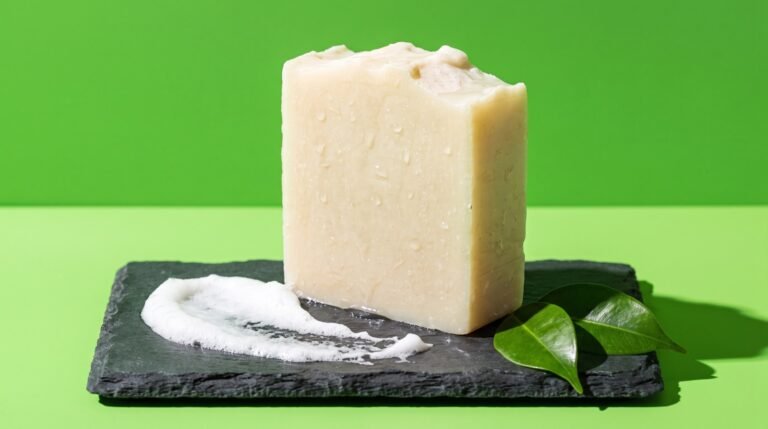
Certification cut deforestation by a third, which sounds like a win until you see where the certified plantations were. And boycotting palm may be worse than buying it.
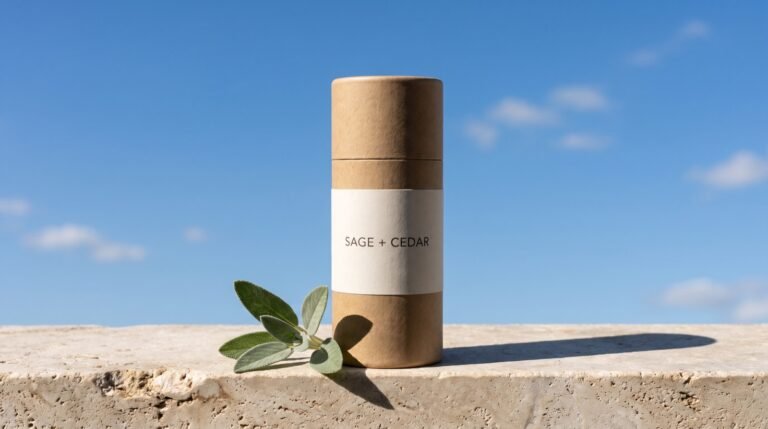
The breast cancer claim doesn’t hold up and neither does the Alzheimer’s one. There’s still a warning printed on every tube, and it’s there for a real reason.
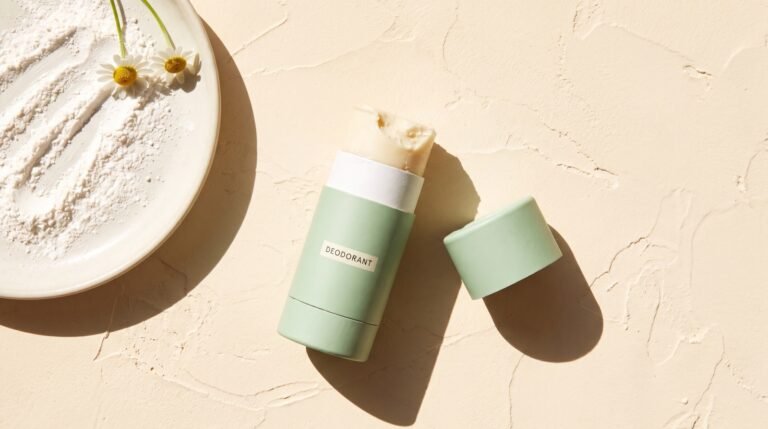
Red, stinging, sometimes peeling underarms after switching to natural deodorant. It isn’t a detox and you’re not allergic. It’s chemistry, and the fix is one word on the label.
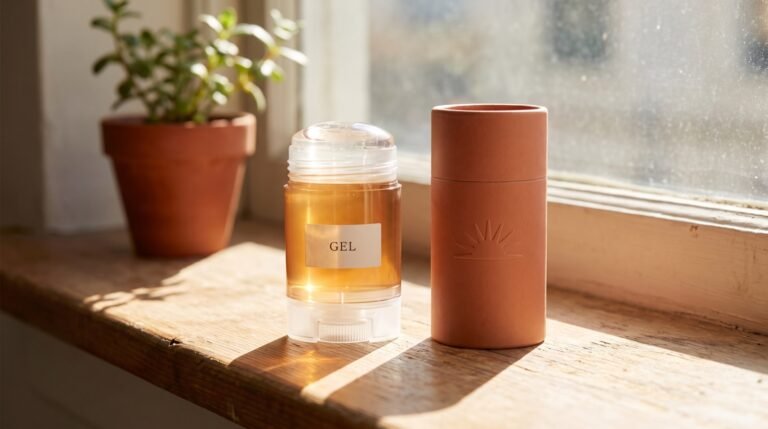
Yes, it’s in antifreeze. That’s true and it’s beside the point. The real reason to watch this one is that dermatologists gave it an award in 2018, and your armpit is its worst-case scenario.
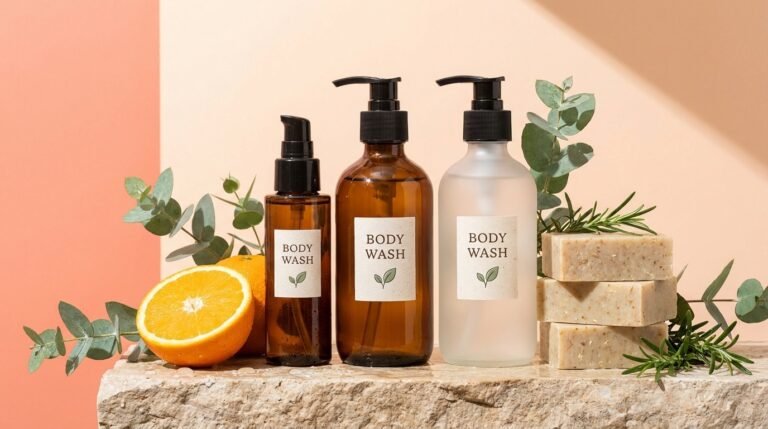
Body wash covers more skin than anything else you use, and most of it is sulfates and synthetic fragrance. Here are the natural body washes and bar soaps worth switching to, vetted on ingredients and ownership.
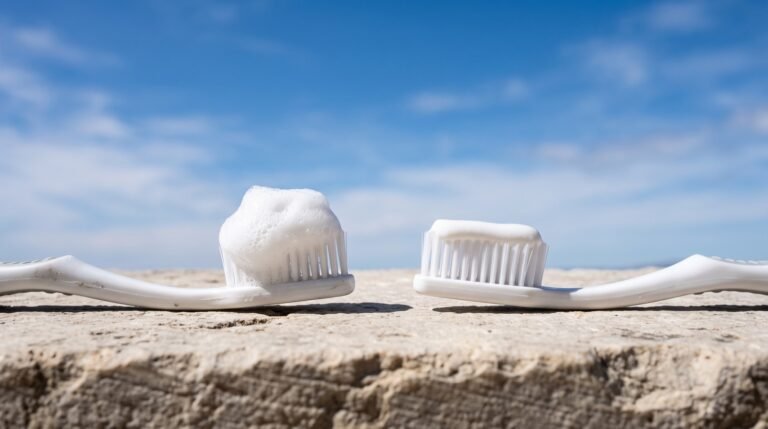
Sodium lauryl sulfate makes toothpaste foam, and foam does nothing for your teeth. For people who get recurring mouth ulcers, dropping it has real evidence behind it.
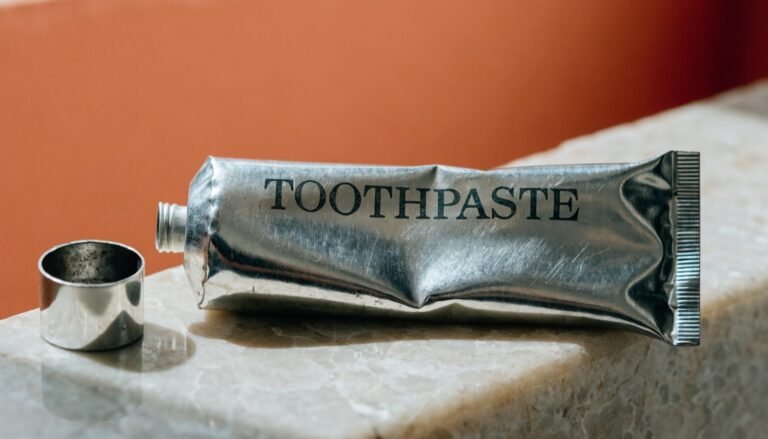
The FDA banned triclosan from hand soap in 2016 and deliberately left it legal in toothpaste. Then the one big brand using it removed it anyway. Here’s where that leaves the warning you keep reading.
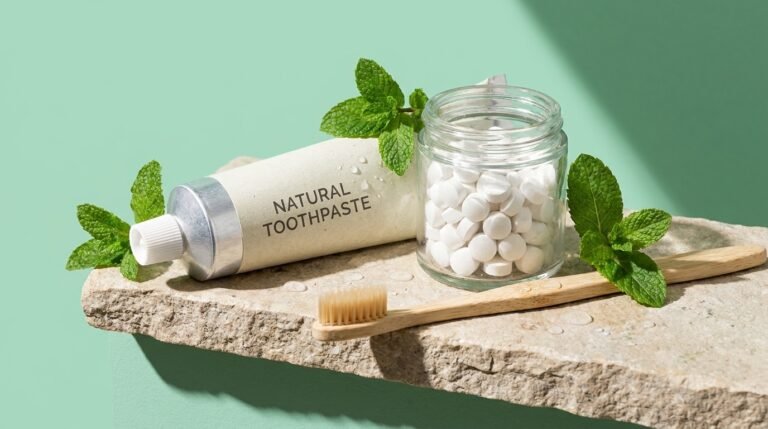
You use toothpaste twice a day, every day, so the ingredient list is worth a look. Here are the natural toothpaste brands worth switching to, vetted on ingredients, actives, and packaging.