The Best Natural Toothpaste and Oral Care, Honestly Reviewed
You put toothpaste in your mouth twice a day, most days of your life, which makes it one of the most-used products you own. So the back of the tube deserves a read. On a lot of conventional toothpaste you’ll find sodium lauryl sulfate (the detergent that makes it foam), plus artificial sweeteners and dyes. You may also have read to watch for triclosan, though that warning has largely expired: the FDA left it legal in toothpaste, and the one big brand using it dropped it back in 2019.
None of that is there to clean your teeth. It’s there for foam, color, and shelf life.
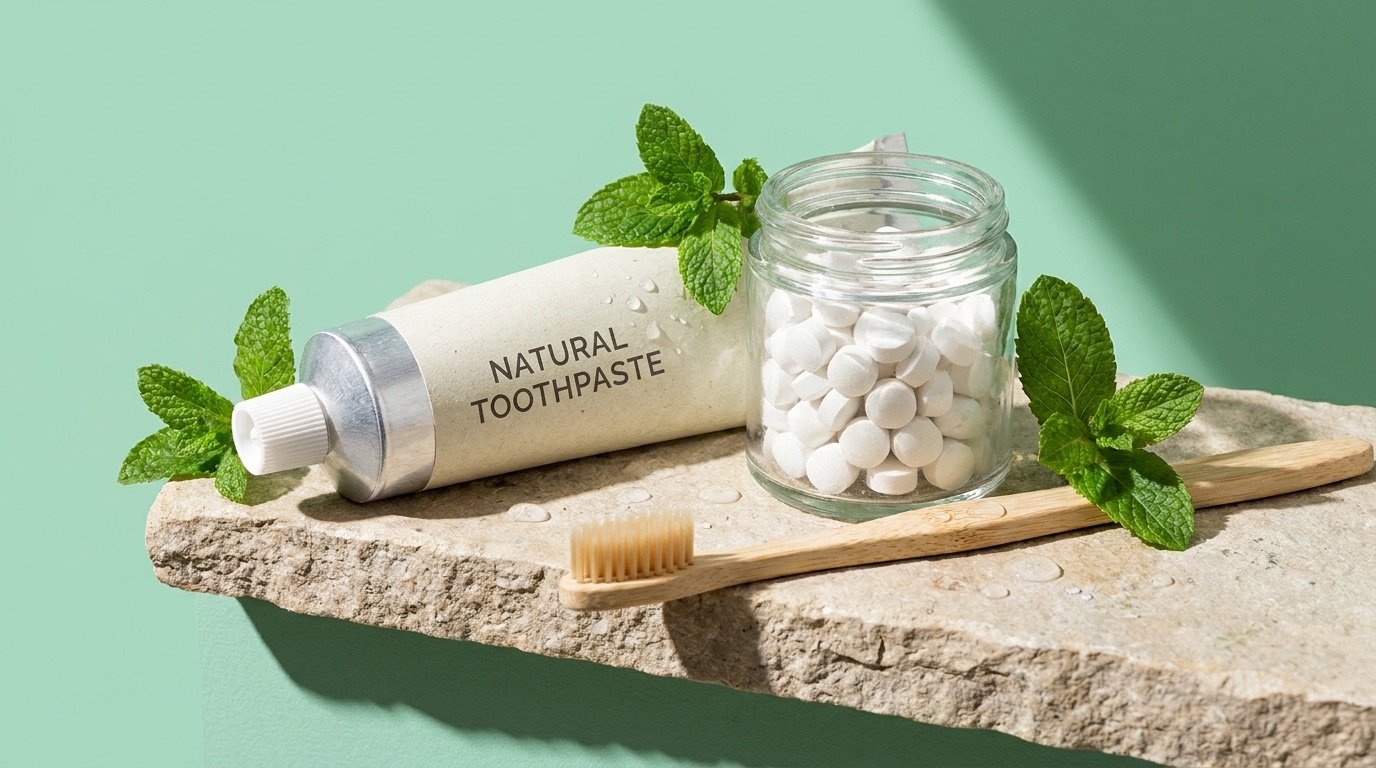
Natural toothpaste strips it back to what actually works: a gentle abrasive to clean, a remineralizing active to protect enamel, and not much else. The active is where the real choice sits, either fluoride or hydroxyapatite, and we’ve gone through what the trials actually show. Here’s what we looked for.
What had to line up:
- Ingredients: no SLS, no artificial sweeteners or dyes, and a short list you can actually read.
- Active: a real remineralizing ingredient, either fluoride or nano-hydroxyapatite, not just flavor and foam.
- Packaging and ownership: recyclable or plastic-free where possible, and independent brands over conglomerate-owned “natural” labels.
Our picks at a glance
- Best overall: Davids
- Best hydroxyapatite: RiseWell
- Best fluoride-free everyday: Boka
- Best plastic-free: Bite
- Best minimal-ingredient: Georganics
- Best for families: Wellnesse
Davids: clean ingredients in a metal tube
Best for: a clean, fluoride-free tube you can actually recycle | Price: around $11 | Ownership: independent, founder-owned
If you want one brand that covers most people, Davids is it. It makes clean, US-produced toothpaste free of SLS, artificial sweeteners, dyes, and preservatives, in a recyclable metal tube with a little key to roll it up. Every tube in the current range is fluoride-free, and the Hydroxi line uses nano-hydroxyapatite as its active. (Older roundups, ours included, said Davids sold a fluoride version. It doesn’t anymore.) The ingredient lists are short and readable.
The metal tube is less squishy-convenient than plastic, and the natural mint is cleaner than candy-sweet. But for a truly clean toothpaste in packaging you can recycle, Davids is the standout.
RiseWell: fluoride-free with a real active
Best for: skipping fluoride without giving up protection | Price: around $12 | Ownership: independent
The usual worry about fluoride-free toothpaste is that it’s all flavor and no protection. RiseWell answers that with hydroxyapatite, the mineral that actually makes up tooth enamel, which studies suggest can remineralize teeth comparably to fluoride. Its toothpaste is free of SLS, artificial dyes, and harsh ingredients, and it’s safe to swallow, which parents like. It’s the fluoride-free pick with science behind the active.
It’s a premium price for a tube of toothpaste, and hydroxyapatite is newer to the US than in Japan, where it’s long been common. But for a fluoride-free formula that still protects enamel, RiseWell is the reference.
Boka: the modern fluoride-free pick
Best for: an everyday nano-hydroxyapatite toothpaste | Price: around $12 | Ownership: owned by Essor Group since 2024; the founder sold it in 2022
Boka built a following by making hydroxyapatite toothpaste feel modern and mainstream. The formulas skip SLS, parabens, and artificial flavors, use nano-hydroxyapatite as the active, and come in flavors that are pleasant without being sugary. It’s widely available now, including in big retailers, which makes the fluoride-free switch easy. One thing the tube won’t tell you: founder James Hagen sold Boka to Heyday in 2022, and when Branded bought Heyday in 2024 it became part of Essor, a group of consumer brands.
As with any hydroxyapatite brand, you’re choosing an alternative to fluoride rather than the decades-longer fluoride track record, so it comes down to your preference and your dentist’s advice. For an easy-to-find, modern fluoride-free option, Boka is a top pick.
Bite: toothpaste without the tube
Best for: a plastic-free bathroom | Price: around $14 | Ownership: independent
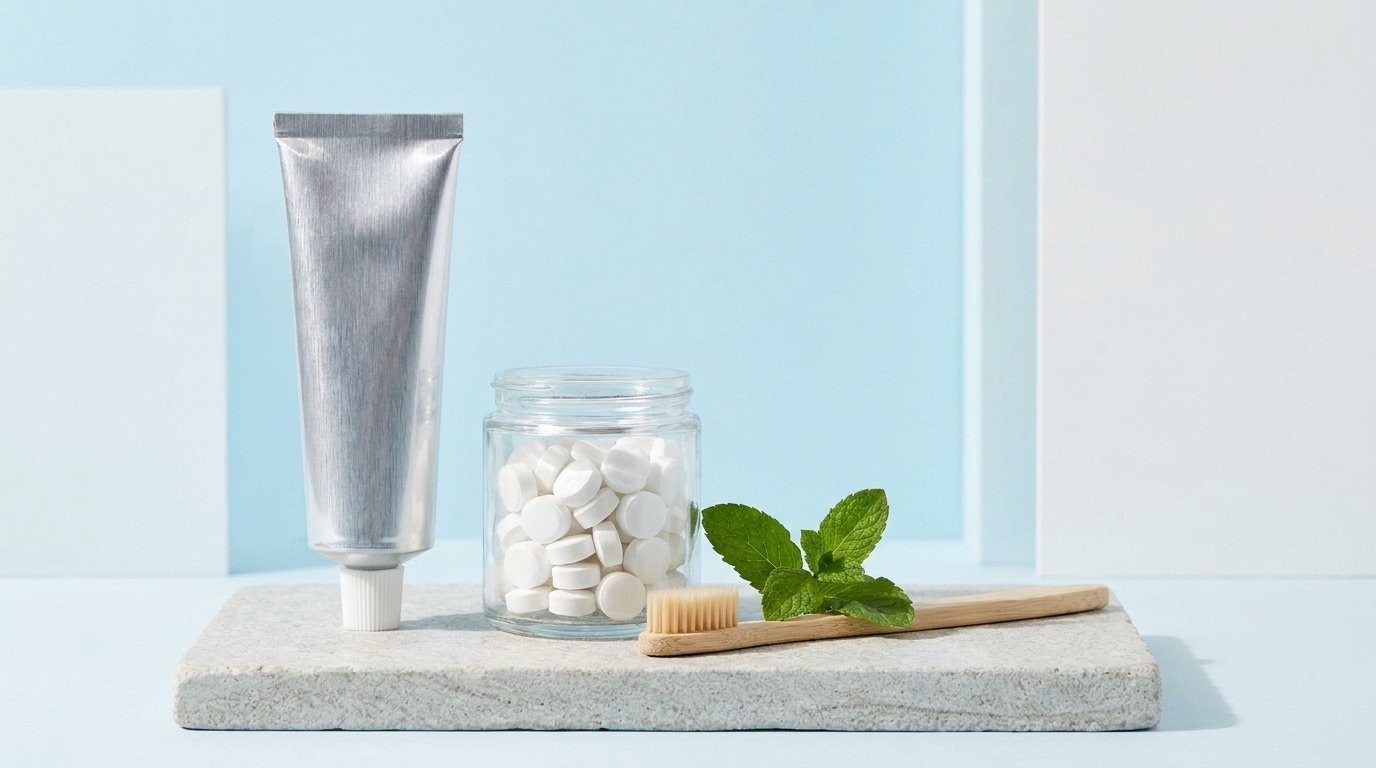
Here’s a different angle on clean: the packaging. Bite sells toothpaste as little dry tablets in a refillable glass jar, so there’s no plastic tube at all and no water shipped around the world. You bite one, brush, and it foams up like paste. The bits are free of SLS and artificial junk, and their oral care range has both fluoride and hydroxyapatite versions.
The tablet format takes a couple of uses to get used to, and it’s a premium, subscription-friendly price. But for cutting the plastic tube out of your routine entirely, nothing here does it more completely, and it pairs well with the rest of our zero-waste bathroom swaps.
Georganics: the stripped-back natural option
Best for: the shortest, most natural ingredient list | Price: no US price, it sells in the UK only | Ownership: independent, founder-controlled
Georganics takes the minimalist route, making oil-and-clay-based toothpastes and tooth powders with very short, natural ingredient lists, often sweetened with xylitol and flavored with essential oils. Unfortunately, it stopped shipping to the US, so for now this one’s for readers in the UK and Europe. It’s the pick for people who want as few ingredients as possible and don’t mind a more traditional, less-foamy feel. Most come in glass jars or recyclable packaging.
The oil-based, low-foam texture is a real adjustment if you’re used to a big minty lather, and most options are fluoride-free by design. But for a stripped-back, natural formula with almost nothing extra in it, Georganics is the purist’s choice.
Wellnesse: clean oral care for the whole house
Best for: a family switching together | Price: around $15 | Ownership: independent
Wellnesse rounds out the list as the family-friendly option, with hydroxyapatite toothpastes (including kid-friendly and swallow-safe versions), plus a wider clean oral-care range. The formulas skip SLS, artificial sweeteners, and dyes, and the flavors are mild enough for children who balk at strong mint. It’s the pick for a household that wants to switch everyone at once.
The range and flavor selection is more focused than the big oral-care brands’, and it’s mostly bought online. But for clean, hydroxyapatite oral care the whole family can share, Wellnesse is a solid choice.
What we left off, and why
Two groups didn’t make it. First, most drugstore “natural” toothpastes that sit under the conglomerates behind the conventional lines. A parent company gets named in our spec lines rather than counted against a brand, so ownership isn’t what ruled these out. What did: SLS and artificial ingredients still in the tube. Second, the charcoal toothpastes trending all over social media. The usual complaint is that charcoal sands your enamel away, and the measured abrasivity data doesn’t really support that. The better objection is simpler: most contain no remineralizing active at all, so they lift surface stains while doing nothing to protect your teeth, and no charcoal toothpaste holds the ADA Seal of Acceptance.
How to actually choose one
Don’t start with the flavor. Start with the fluoride question, then the format.
If you want the cleanest tube, Davids. If you want fluoride without the plastic, Bite’s fluoride bits. If you’re skipping fluoride but want real protection, RiseWell or Boka. If plastic-free is the priority, Bite. If you want the shortest natural ingredient list, Georganics. And if you’re switching a whole family, Wellnesse. Whichever active you choose, the honest move is to run it past your dentist, especially if you’re cavity-prone.
One habit outperforms any toothpaste swap: how you brush. Two minutes, twice a day, a soft brush, and not rinsing your mouth out immediately after (so the active stays on your teeth) does more for your enamel than the brand on the tube.
Frequently asked questions
What makes toothpaste “natural” or non-toxic?
A natural toothpaste leaves out the ingredients that are there for looks and feel rather than function: SLS (a foaming detergent that can irritate mouths), artificial sweeteners and dyes, and antibacterials like triclosan. It keeps a gentle cleaning abrasive and a real remineralizing active, either fluoride or hydroxyapatite, with a short, readable ingredient list.
Is fluoride-free toothpaste actually safe and effective?
It can be, if it uses hydroxyapatite as the active. Hydroxyapatite is the mineral your enamel is made of, and research suggests it can remineralize teeth and help prevent cavities comparably to fluoride, which is why it’s been used in Japan for decades. Fluoride still has the longest track record for cavity prevention, so the best choice depends on your teeth and your dentist’s advice, not on fear of fluoride.
Is charcoal toothpaste a good natural option?
Generally no, though not for the reason usually given. Measured abrasivity for charcoal toothpastes mostly sits under the ADA’s safety ceiling, so the “it sands your enamel off” line is overstated. The real problem is that most contain no fluoride or hydroxyapatite, so they offer no protection against decay, and any whitening is surface stain removal. As an occasional stain-lifter alongside a proper toothpaste it’s defensible. As your everyday tube it isn’t.
Are toothpaste tablets as good as regular paste?
For cleaning, yes. Toothpaste tablets (like Bite’s) contain the same kinds of actives and cleaning ingredients as paste, just without the water, so once you’re used to chewing one before you brush, they work the same way. The main benefit is cutting out the plastic tube, and many are available with fluoride or hydroxyapatite to match your preference.
Related reading
Want the detail behind the picks? We’ve compared hydroxyapatite against fluoride, explained why SLS is in toothpaste at all, looked at what charcoal toothpaste really costs you, and traced what happened to triclosan.
Cleaning up the rest of your routine? See our roundup of the best non-toxic skincare brands, our guide to the skincare ingredients worth avoiding, and the rest of our zero-waste bathroom swaps.