Does Collagen Actually Do Anything? What the Evidence Says
Pooled collagen trials show small skin gains. A 2025 meta-analysis split them by who paid, and in the independent trials the effect disappeared. Here’s what holds up.


Pooled collagen trials show small skin gains. A 2025 meta-analysis split them by who paid, and in the independent trials the effect disappeared. Here’s what holds up.
When 30 collagen powders went to an independent lab, lead showed up in 37% of them. What the testing found, why chocolate keeps losing, and how to pick a cleaner tub.
Marine collagen gets sold as the better-absorbed, premium option. A 2024 trial found fish, pork and beef collagen all reached the blood. Here’s where the source really does matter.
Grass-fed and pasture-raised are printed on nearly every collagen tub, and almost nobody outside the company checks them. Which sourcing claims mean something, and how to tell.
Lead turned up in more than a third of collagen powders in one independent test. These six have short labels, sourcing you can trace, and testing you can look up yourself.
The Honey Pot was acquired by Compass Diversified in 2024. In 2025 that parent said three years of its own financial statements could no longer be relied on. Here’s what that means.
Your daily coffee has a supply chain most brands would rather you didn’t look at. Here are the ethical, sustainable coffee brands doing it in the open, vetted on sourcing, growing, and transparency.
Fair trade sets a price floor you can look up. Direct trade often pays more but promises nothing you can verify. The difference matters more than the logos suggest.
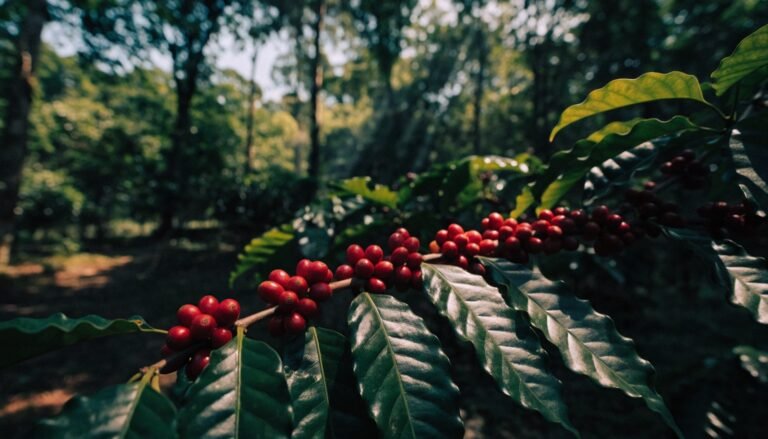
Coffee used to grow under forest. Then it was bred to tolerate full sun, and the forest came down. One certification actually verifies the canopy, and under 1% of farms hold it.
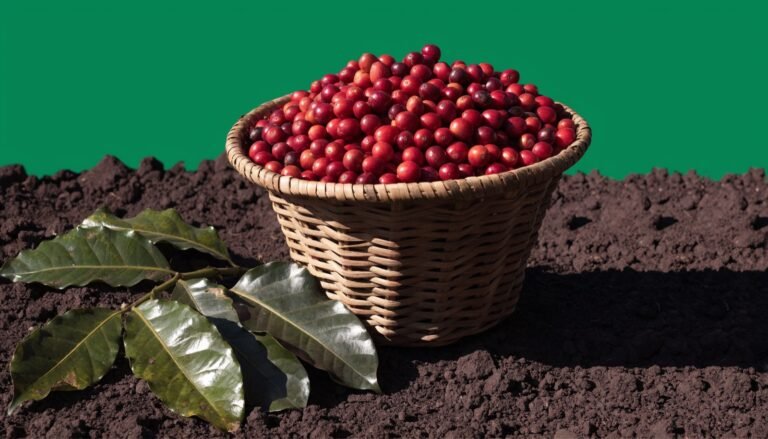
Conventional coffee is one of the more heavily sprayed crops, and very little of that reaches your mug. The people it does reach are the ones picking it.