Lead Candle Wicks Were Banned in 2003. Here’s What Replaced Them
A wick has an engineering problem to solve. It needs to stand up straight in a pool of molten wax without flopping over and drowning itself.
For a long stretch of the twentieth century, the cheapest fix was a metal core. A thin wire running up the middle of the braided cotton, stiff enough to hold the wick vertical. It worked, and for some manufacturers the metal was lead.
Lead is soft, cheap, and melts at a convenient temperature. It also vaporizes into the room, settles on surfaces, and is a neurotoxin with no safe childhood exposure level.
The rule, precisely
The US Consumer Product Safety Commission banned it, and the details are worth having exactly right because they’re often reported loosely.
The CPSC rule declares metal-cored wicks containing more than 0.06% lead by weight in the metal, and candles made with them, to be banned hazardous substances. It applies to candles manufactured or imported on or after October 15, 2003.
Two things follow that people usually miss.
It is not a ban on metal-cored wicks. Cores made of zinc or tin remain legal, and remain in use. The rule targets lead specifically, at a threshold CPSC set because its testing found no detectable airborne lead from wicks at or below 0.06%.
And it binds on manufacture and import date, not on sale. A candle made before October 2003 was not recalled from anyone’s cupboard.
Major US retailers had already agreed to stop selling lead-wick candles a couple of years before the rule landed, so the practical exposure window closed earlier than the legal one.
What this means for a candle you buy today
For a candle made in the US or legally imported since 2003, lead in the wick is a solved problem. It is not something to worry about on a new candle from a reputable seller.
Where it’s worth a thought: candles bought abroad in places with different rules, novelty or imported decorative candles from unclear supply chains, and old stock. If you have inherited candles or something that has sat in a drawer since the nineties, that’s the case where a metal core deserves suspicion.
The old test still works if you’re curious. Look at the tip of an unburned wick. If you can see a wire core, rub it on a piece of white paper. A gray pencil-like mark suggests metal. That tells you a core exists, not what it’s made of, so treat it as a reason to discard rather than a diagnosis.
Zinc and tin cores, the legal ones, are not considered a meaningful inhalation hazard at candle temperatures. Most quality candles have moved to cored-free cotton or paper-cored wicks anyway, because braiding techniques improved and because “no metal” is easier to market than “the safe metal.”
The part that actually affects your air
Here’s the thing about wicks that matters far more than the metal question, and gets almost no attention.
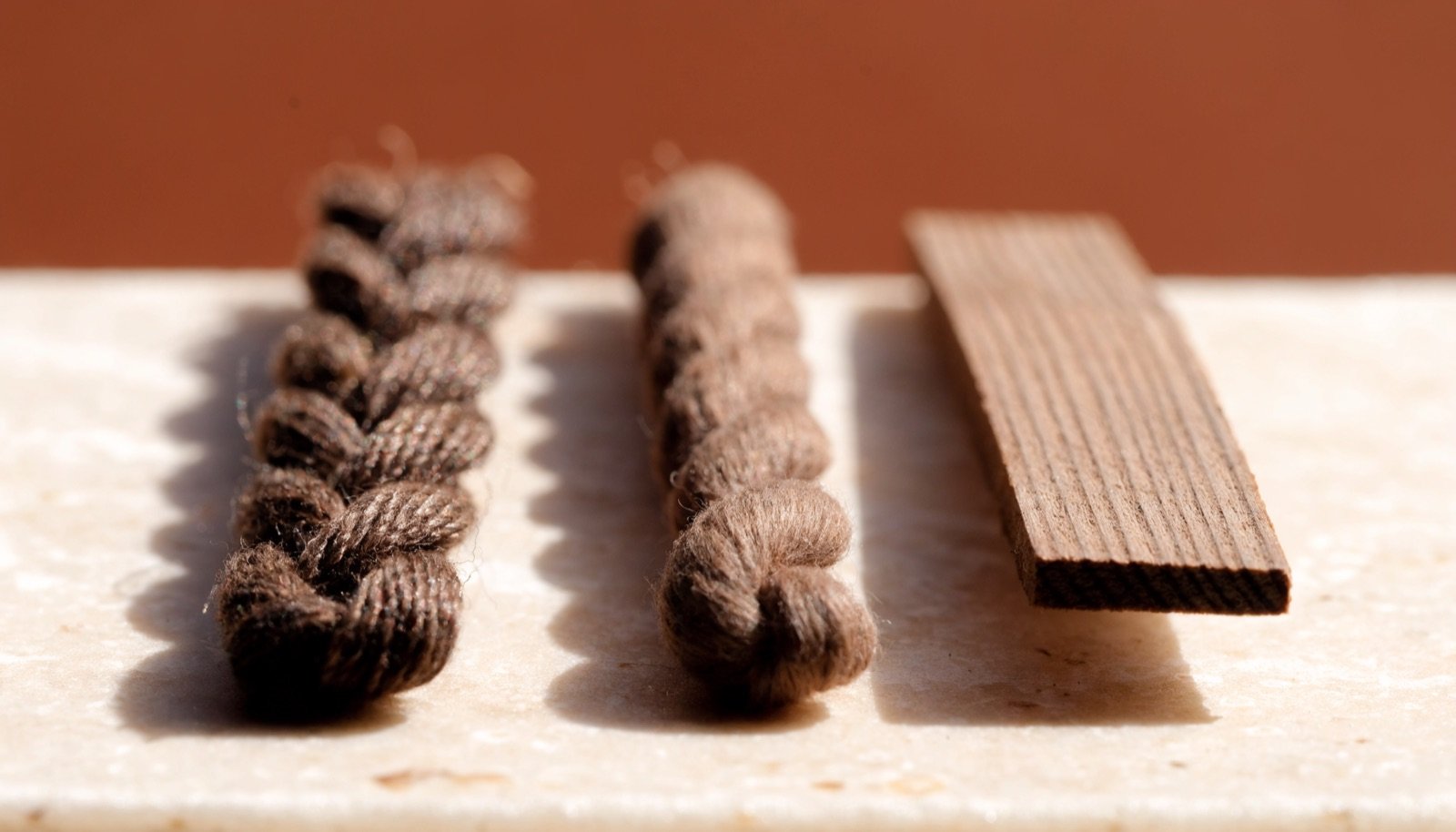
The wick governs how the candle burns, and how it burns determines what ends up in your room. A wick sized wrong for the container throws soot regardless of what it’s made of. An untrimmed wick does the same. And wooden wicks, the ones that crackle, produce a broader flame that research has linked to less stable combustion and more ultrafine particles than a simple cotton wick.
So the modern wick question isn’t “is there lead in it.” That was settled two decades ago. It’s whether the candle was designed so its wick and its wax and its vessel work together, and whether you trim it. We go into that properly in why burn quality beats wax type.
Brands that make their own candles and test them tend to get this right. The ones buying generic wicks and pouring into whatever vessel looked good often don’t. Our roundup of the best non-toxic candles leans toward the former.
Frequently asked questions
Can I still buy a candle with a lead wick in the US?
Not legally, for anything manufactured or imported since October 15, 2003. The realistic exceptions are old stock, candles brought back from countries with different rules, and unbranded imports through informal channels. For a new candle from a normal retailer, this isn’t a live risk.
Are zinc and tin wick cores safe?
They’re legal and are not treated as a meaningful hazard at the temperatures a candle burns at. If you’d rather avoid metal entirely, cotton and paper-cored wicks are widely available and are what most clean-candle brands now use.
How do I trim a wick properly?
Cotton wicks go to about a quarter inch before every light. Wooden wicks go shorter, around an eighth of an inch, and you snap off the charred edge from the last burn rather than cutting into fresh wood. Doing this is the single most useful habit for a cleaner burn.
Does a wood wick mean a cleaner candle?
Not by itself. Wood wicks avoid the metal question entirely and many burn well, but the wider flame can combust less evenly than cotton, and studies of natural candles have connected wooden and multi-wick designs to more ultrafine particles. Judge it on how the specific candle burns, not the material.
Related reading
The rest of what’s in a candle: is paraffin wax actually toxic, why burn quality beats wax type, and soy versus beeswax versus coconut. For the candles we’d buy, see the best non-toxic candles.