Is Recycled Polyester Actually Better Than Virgin?
Almost every sustainable legging is made from bottles. The carbon savings are real, the closed loop isn’t, and the microfiber evidence points both ways.

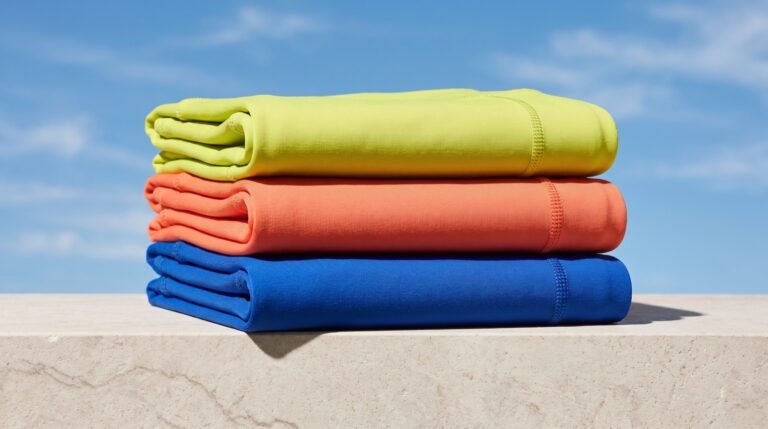
Almost every sustainable legging is made from bottles. The carbon savings are real, the closed loop isn’t, and the microfiber evidence points both ways.
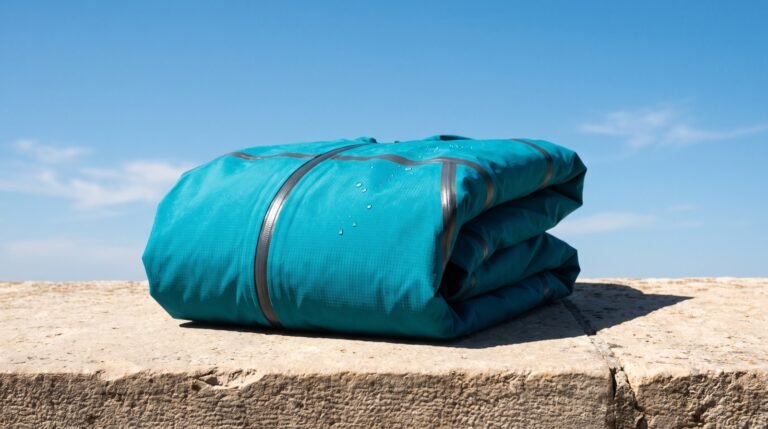
It’s the certification serious outdoor brands actually bother with, and it works from the opposite end to every other one. It also says nothing about what your jacket is made of.
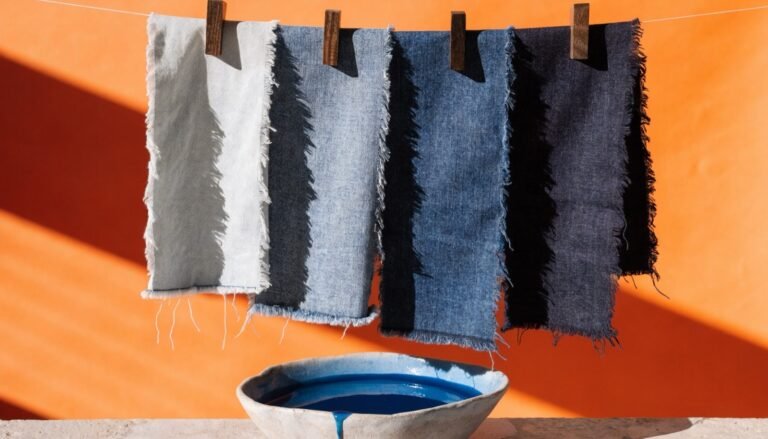
Almost no denim is dyed with the indigo plant any more. The synthetic version carries a chemical called aniline, and roughly 400 tons of aniline waste leaves the industry every year.
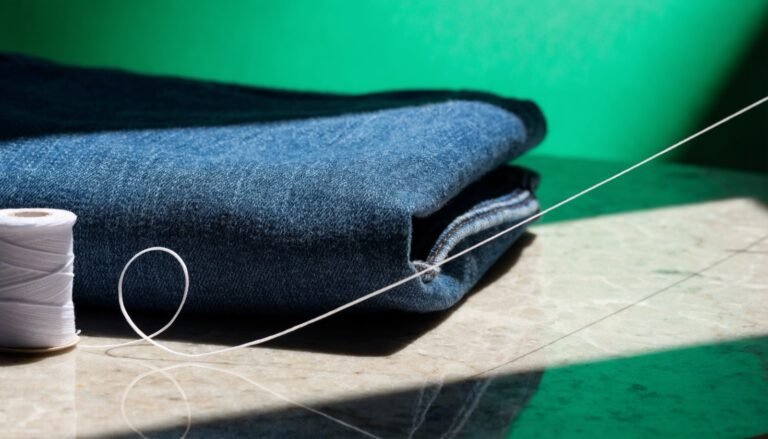
The 2% of elastane that makes your jeans comfortable is the reason they can’t become new jeans. A tiny amount of plastic, spun through every thread, turns a recyclable fabric into a blend.
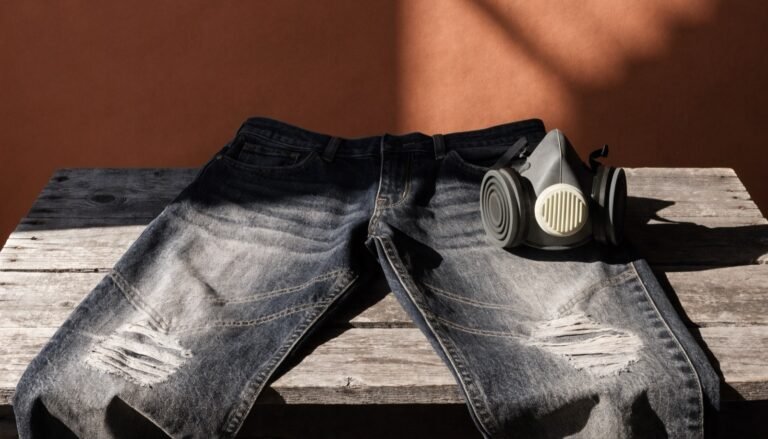
Sandblasting gave denim that worn-in look by firing silica at it, and gave the workers doing it an incurable lung disease. Turkey banned it in 2009. It didn’t stop everywhere.
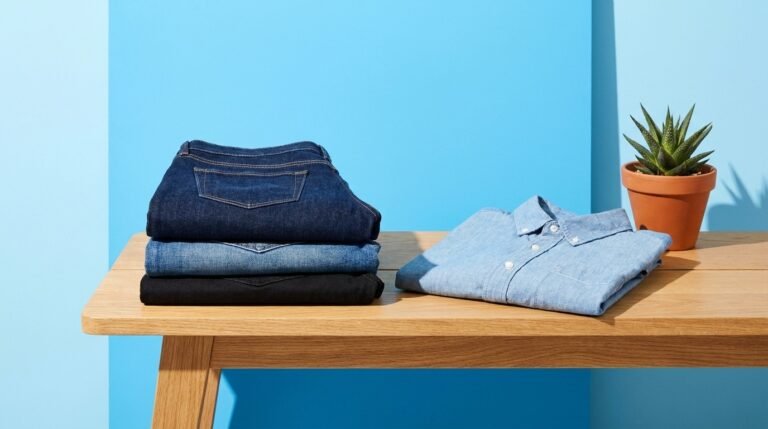
A single pair of jeans can take 2,000 gallons of water to make. Here are the sustainable denim brands doing it with less water, cleaner dye, and fair labor, vetted on materials and ownership.
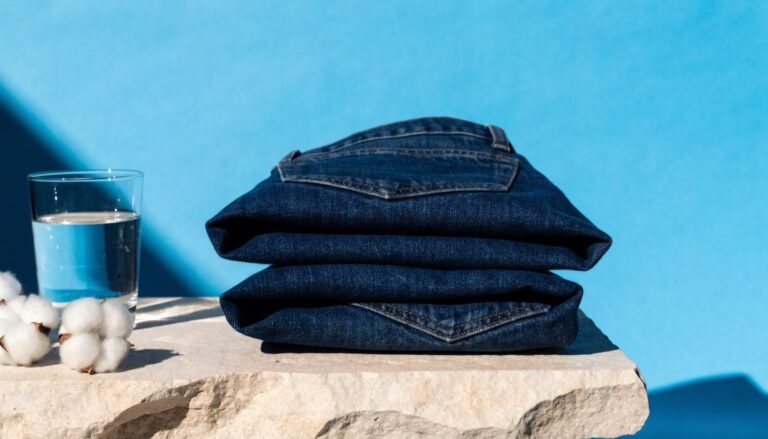
You’ve seen the 2,000-gallon figure. Levi’s own lifecycle study puts it closer to 1,000. Both are real numbers measuring different things, and the gap tells you where denim’s water actually goes.
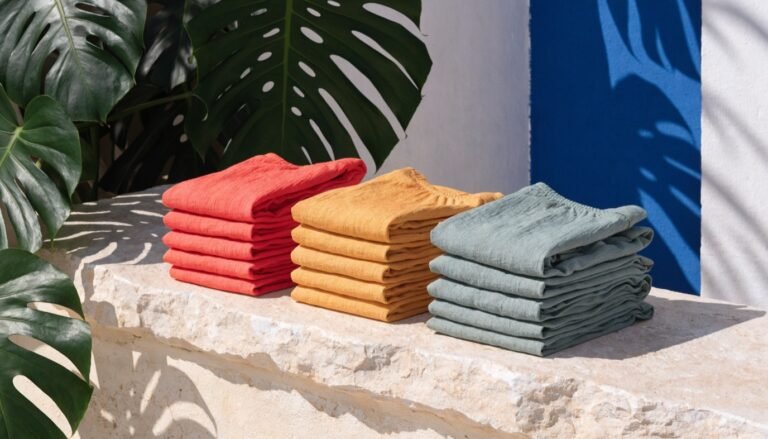
Almost all swimwear starts as virgin plastic and sheds microplastics every time you wash it. Here are the sustainable swimwear brands making suits from recycled fibers, built to last.
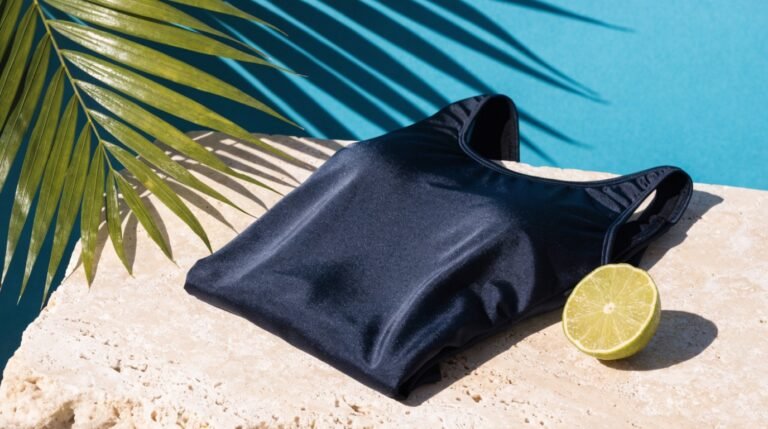
Testing of 72 clothing items found PFAS in 64% of them, swimsuits included. The most common one detected was a chemical that has been banned globally for years.
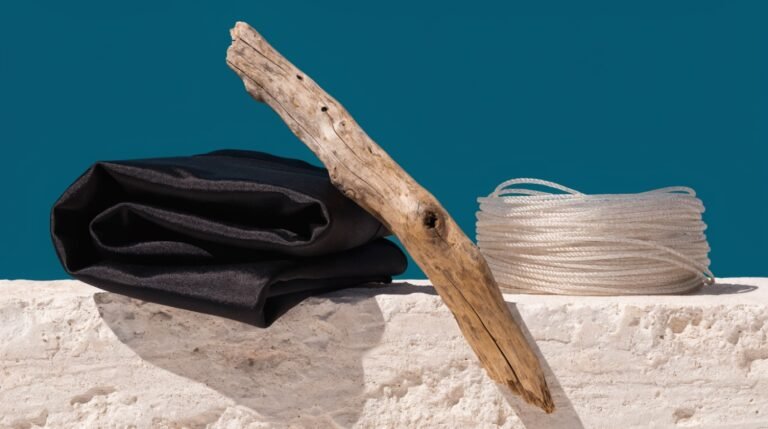
Regenerated nylon cuts the climate impact of the fiber by up to 80% and is chemically identical to virgin nylon. It’s still nylon, though, which means it still sheds plastic into the water every time you swim.