The Best Sustainable Denim and Jeans Brands Worth Buying
One pair of jeans can take somewhere between 1,000 and 2,000 gallons of water to make, most of it spent growing the cotton rather than sewing it. Multiply that by the billion-plus pairs sold every year, and denim becomes one of the thirstiest, most chemically intensive things in your closet.
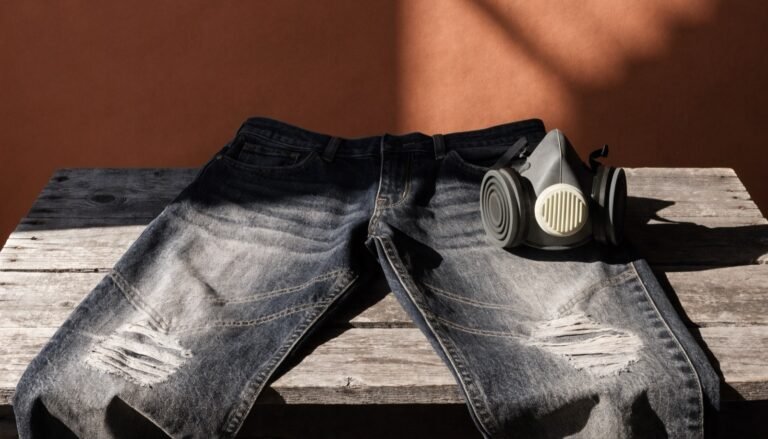
The blue is part of the trouble too. Synthetic indigo carries a chemical called aniline into the wastewater, and that faded, lived-in look was for years created by sandblasting, which gave the workers doing it an incurable lung disease.
Better denim changes the inputs. Organic or recycled cotton instead of virgin, closed-loop water and cleaner dye instead of the open-tap version, and fair labor instead of the race to the bottom. We used the same lens on the rest of the closet in our guide to sustainable fashion. Here’s what we looked for in a pair of jeans.
What had to line up:
- Materials: organic or recycled cotton, and a stretch fiber that isn’t elastane blended in forever, which is what stops jeans being recyclable.
- Water and dye: closed-loop water recycling and cleaner dyeing, since this is where denim does most of its damage.
- Labor and ownership: fair, safe production, and ownership disclosed rather than buried.
Our picks at a glance
- Best overall: Patagonia
- Best free repairs: Nudie Jeans
- Best fit and low-water make: DL1961
- Best vegan denim: Boyish
- Best recyclable stretch: Triarchy
- Best on a budget, with a caveat: Everlane
Patagonia: denim built to outlast you
Best for: hard wear and repairs | Price: $119–$135 | Certifications: B Corp, Fair Trade Certified | Ownership: Patagonia Purpose Trust (profits fund climate action)
Start with the pair designed to never be replaced. Patagonia makes its denim from organic cotton, dyes a lot of it with a process that uses far less water and fewer chemicals than conventional indigo, and sews much of it Fair Trade Certified. The company’s whole structure now exists to fund climate work, and its Worn Wear program will repair your jeans instead of selling you new ones. Our Patagonia brand profile has the full picture, and the range lives on their site. One thing to know before you click: the denim is a men’s line. Patagonia’s women’s bottoms are hiking and travel pants right now, with no jeans in the range.
The styling is practical rather than runway, so this isn’t the pick for fashion-forward cuts. But for the most durable, most repairable organic denim from a company built entirely around doing less harm, nothing here beats it.
Nudie Jeans: free repairs for the life of the jean
Best for: buying one pair and keeping it for years | Price: $195–$260 | Ownership: independent (Sweden)
Nudie built its reputation on a promise most brands would never make: free repairs, forever. Nudie Jeans works only in organic cotton, runs repair shops and mail-in repair worldwide, and will take back your worn-out pair to reuse or resell it. The raw denim is made to fade to your body over time, which is the opposite of the pre-distressed, pre-worn approach that wrecks so much water.
The raw-denim learning curve is real, since you’re meant to wear them a while before the first wash. For denim designed to last a decade with free patching along the way, though, it’s the reference. Their current selection is all organic cotton, and it runs in both men’s and women’s fits.
DL1961: low-water denim with the stretch
Best for: fit, comfort, and a smaller water footprint | Price: $79–$259 | Ownership: independent, family-owned
Here’s a number that reframes things: DL1961 says it uses as little as 10 gallons of water to make a pair of jeans, a fraction of the industry norm, because it spins and finishes in its own vertically integrated, family-owned mill, and it publishes the detail behind that. The fibers lean on recycled and responsibly sourced materials, and the stretch holds its shape instead of bagging out. It’s the pick for people who want a modern, comfortable fit without the usual water bill.
Being family-owned and vertically integrated is a strength, but it also means you’re trusting the brand’s own reporting rather than a third-party audit. For flattering, low-water stretch denim, it’s the standout.
DL1961 offers denim pieces for both men and women.
Boyish: vintage-inspired and vegan
Best for: vegan denim with a retro cut | Price: around $198 | Ownership: independent
Boyish comes at it from the vintage angle, making retro-inspired jeans from organic and recycled cotton with recycled water and no animal-derived materials, including vegan patches and threads. The washes are achieved with lower-impact methods rather than the harshest chemistry, and the fits nod to classic eras rather than chasing trends.
As a smaller label, the size and style range is more focused than a big denim house’s. But for vintage-style jeans that are both vegan and lower-impact, Boyish is a favorite. One limit to flag: Boyish cuts for women only. If you’re shopping men’s, Nudie and Patagonia above are the closest equivalents on this list.
Triarchy: stretch denim you can actually recycle
Best for: stretch jeans without the forever-plastic | Price: $120–$326 | Ownership: independent
Most stretch denim is a problem because the elastane blended in makes it nearly impossible to recycle. Triarchy tackles that head-on, using a plant-based, recyclable stretch fiber in place of conventional elastane, alongside recycled cotton and water-saving production. It’s a small, design-led brand solving one of denim’s most stubborn technical problems.
It sits at a premium price, and the range is boutique-sized. But for stretch denim that isn’t destined to be landfill because of the very fiber that makes it comfortable, Triarchy is doing something no one else on this list is. The COREVA styles are the ones to look at.
Everlane: cleaner-factory denim at a fair price
Best for: an accessible everyday pair, if you’re comfortable with the ownership | Price: $88–$168 | Ownership: owned by Shein (since May 2026)
Everlane is the accessible on-ramp. Its jeans are made at a denim factory recognized for recycling the vast majority of its water and handling dye and byproducts responsibly, and the brand publishes more about its factories and costs than most. Prices land well below the boutique names, and the cuts are clean and wearable. Both sides of the closet are covered, women’s and men’s.
Everlane’s sustainability leans more on cleaner manufacturing and transparency than on organic-first fibers, so read the material on the specific pair.
Now the part that changes the calculation, and it isn’t about the denim. Shein acquired Everlane in May 2026, buying the majority stake from private equity firm L Catterton in a deal that valued Everlane at around $100 million. L Catterton had taken a minority position in 2020 and become majority owner in 2024, and Everlane was carrying roughly $90 million of debt going into the sale. It’s Shein’s first outright purchase of a US direct-to-consumer apparel brand.
That matters here more than it would anywhere else. This article exists partly to steer people away from ultra-fast fashion, and the money you spend at Everlane now goes to the company that defines it. The jeans themselves haven’t changed, the factory still recycles its water, and none of that is undone by a change of owner. But if the point of buying sustainable denim is where your money ends up, this is the one pick on the list where the answer moved.
Your call, not ours. We’d just rather you knew before you clicked.
What we left off, and why
The whole fast-fashion denim aisle didn’t make it, and the reason is the combination of virgin cotton, water-guzzling finishes, and prices so low the labor math can’t add up. A $15 pair of pre-distressed jeans hides an enormous water and human cost behind the sticker. We also skipped the big designer labels releasing one “conscious” denim capsule while the main line carries on as usual, which is the green-halo trick our greenwashing guide breaks down. If a brand won’t say how its denim is dyed and who sewed it, that silence is the answer.
How to actually choose one
Don’t start with the wash. Start with what you need the jeans to do.
If you want maximum durability and free-ish repairs, Patagonia or Nudie Jeans. If fit and comfort matter most, DL1961. If you want vegan or vintage-style denim, Boyish. If you refuse to give up stretch but hate the waste, Triarchy. And if budget rules, Everlane is the cheapest cleaner-made denim here, so long as the Shein ownership above doesn’t change your mind.
One habit beats any single purchase: wash your jeans far less than you think you need to. Denim is designed to be worn many times between washes, and skipping the laundry saves water, keeps the color, and makes any pair, sustainable or not, last for years.
Frequently asked questions
What makes denim sustainable?
Mostly the fiber, the water, and the labor. Sustainable denim uses organic or recycled cotton instead of conventional (one of the most pesticide- and water-intensive crops), dyes and finishes it with closed-loop water and cleaner chemistry, and is made under fair, safe labor conditions. Durability counts too, since a pair that lasts a decade beats one that sags out in a season.
Why does denim use so much water?
Two stages drive it: growing the cotton, which is thirsty, and the wet processing, where jeans are dyed with indigo and washed repeatedly to get that faded look. Estimates run from about 1,000 gallons in Levi’s own lifecycle study to roughly double that in broader ones, and the gap comes down to where the cotton grew. Brands that recycle their process water, like DL1961 and the factory Everlane uses, cut the factory share dramatically.
Is recycled or organic cotton better for jeans?
Both beat conventional, and the best denim uses a mix. Organic cotton skips the synthetic pesticides and heavy irrigation of conventional cotton. Recycled cotton reuses existing fiber and avoids growing anything new, though it’s often blended with some organic cotton for strength. Either is a real improvement over virgin conventional cotton.
Are sustainable jeans worth the higher price?
Over time, usually yes. A well-made pair of organic-cotton jeans lasts far longer than cheap fast-fashion denim, and several brands here repair them for free or cheaply, so the cost per wear drops below the bargain pair you replace every year. Buying one good pair and keeping it is both cheaper and lower-impact than a rotating stack of throwaway ones.
Related reading
Want the detail behind the picks? We’ve broken down where a pair’s water actually goes, what indigo dye does to rivers, why stretch jeans can’t be recycled, and the deadly way distressed denim used to be made.
Building a more conscious wardrobe? Start with our guide to sustainable fashion, see our picks for the best sustainable activewear brands, and read our honest take on whether Lululemon is actually sustainable.