
DL1961
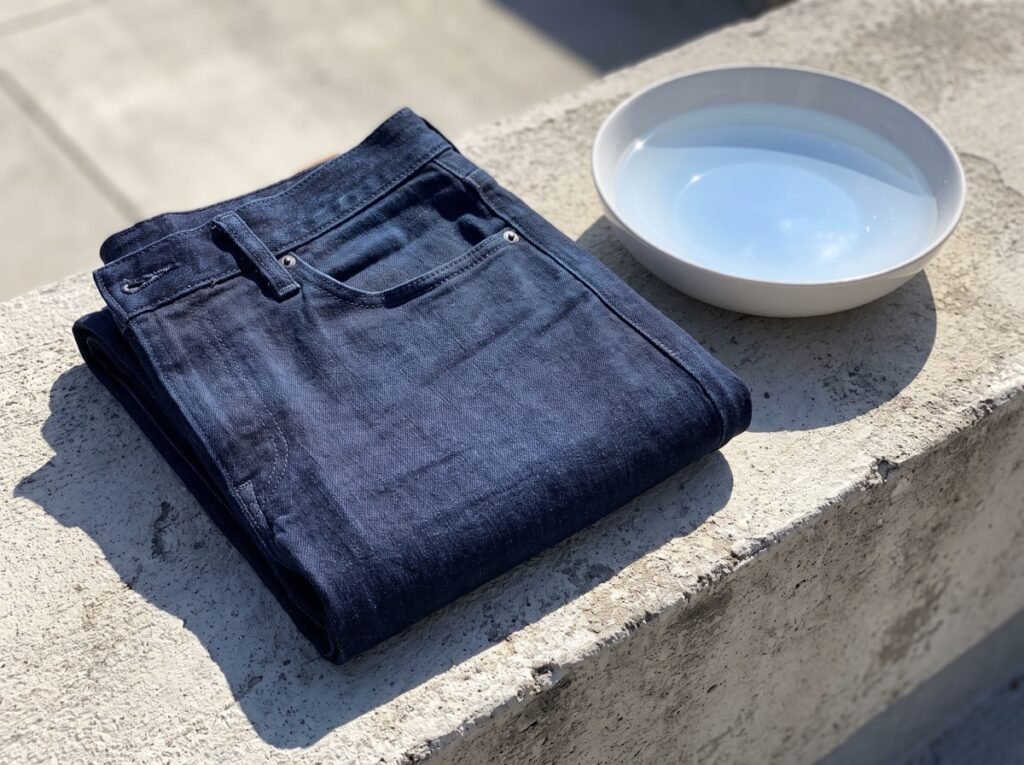
Quick verdict: Almost every denim brand buys its fabric from someone else and takes their word for how it was made. DL1961’s family owns the mill, which is the reason it can say a pair of its jeans takes as little as 10 gallons of water when the industry norm runs into the hundreds. It’s also the reason you’re trusting one company’s own numbers. Our rating: 4.1 out of 5.
Who they are
Faisal and Maliha Ahmed founded DL1961 in 2008, building it on Artistic Denim Mills, the family’s mill in Karachi. It’s run from New York, with cofounder Sarah Ahmed as chief creative officer. Family-owned throughout, with no outside group involved.
What they get right
They own the factory, and that changes what’s possible. Vertical integration in denim is rare. The Ahmed family’s mill handles fiber and spinning through to finished fabric, all under one roof and self-powered. A brand that owns its mill can change a dyeing process because it decided to, rather than asking a supplier to absorb the cost. Most of what follows depends on that.
98% of the water is treated and recycled, run through an in-house treatment plant where bacteria break down the indigo before the water goes back out. Indigo dye in wastewater is one of denim’s genuine environmental problems, and a closed loop is the real answer to it rather than an offset.
The cotton is certified. GOTS and Organic Content Standard, both third-party audited fiber certifications, alongside Tencel lyocell and recycled content across parts of the range.
They name their own mill. Plenty of brands won’t tell you which factory made anything. DL1961 says exactly where its denim comes from, because it’s theirs.
The fit is the reason people repeat-buy. The stretch holds its shape instead of bagging out at the knee by lunchtime, which is the practical complaint about most stretch denim.
Where they fall short
The impact numbers are self-reported, and that’s the central caveat. The 10-gallon figure and the 98% recycling rate come from the company that owns the mill. No outside auditor publishes a verification of either. Vertical integration is what makes the numbers plausible and it’s also what removes the independent check, since there’s no third party in the supply chain who’d notice. We’d rate this considerably higher with an audit attached.
Fiber certification isn’t company certification. GOTS and OCS cover cotton. There’s no B Corp, and no Fair Wear-style assessment of labor practices of the kind Nudie Jeans scores 91/100 on. For a brand whose manufacturing sits in Pakistan, an independent labor assessment is the disclosure we’d most want to see.
The stretch is still mostly synthetic. Tencel and recycled content help, but this isn’t the plastic-free stretch that Triarchy built its brand on, so end-of-life recyclability remains the category’s usual problem.
The range spans a wide price. $79 to $259 covers a lot of ground, and the cheaper end doesn’t always carry the same fiber story as the top.
What they sell and what it costs
Jeans from $79 to $259, plus jackets, shirts, dresses and kidswear.
Who it’s actually for
Buy DL1961 if you want stretch denim that fits properly and you value a brand that can answer questions about its own factory because it owns it. On fit and comfort it’s the strongest pick in our denim roundup.
If you want independently audited labor practices, Nudie is the one with the score. If you want stretch that can actually be recycled, Triarchy. If you want the longest-lived pair with free repairs, Nudie again or Patagonia.
Deals and discounts
No affiliate relationship on our side. The lower end of the range goes on sale regularly.
Related reading
- The Best Sustainable Denim and Jeans Brands Worth Buying
- How Much Water Does a Pair of Jeans Actually Take?
- What Indigo Dye Does to Rivers
Frequently asked questions
Does a pair of DL1961 jeans really use only 10 gallons of water?
That’s the company’s own figure, and the context makes it plausible: the family owns a vertically integrated mill that treats and recycles 98% of its process water in-house. What’s missing is independent verification. No outside auditor publishes a check of either number, so it’s a credible claim from an interested party rather than a confirmed one. Worth knowing that most published estimates for a conventional pair count the cotton growing too, which is where the bulk of denim’s water actually goes.
Who owns DL1961?
Faisal and Maliha Ahmed, who founded it in 2008, with Sarah Ahmed as cofounder and chief creative officer. It’s family-owned and independent, built on Artistic Denim Mills, the family’s own mill in Karachi, Pakistan. There’s no parent company or investment group.
Is DL1961 cotton certified organic?
Parts of the range, yes, under GOTS and the Organic Content Standard, both independently audited. The range also uses Tencel lyocell and recycled fibers. Check the individual pair rather than assuming it covers everything, because the material mix varies across the collection.
What does vertically integrated actually mean here?
It means one company controls the steps from raw fiber through spinning, weaving, dyeing and finishing, rather than buying fabric from outside suppliers. For DL1961 that’s the family’s mill in Karachi. The advantage is control, since it can change a process without negotiating with a supplier. The disadvantage is that nobody outside the company observes the chain, so its impact claims have no natural third-party witness.