Sucralose, Stevia and Sugar in Electrolyte Powders
Sugar is in some electrolyte mixes for a real physiological reason and in others for taste. What each sweetener does, and what the research says about sucralose, stevia, monk fruit and erythritol.

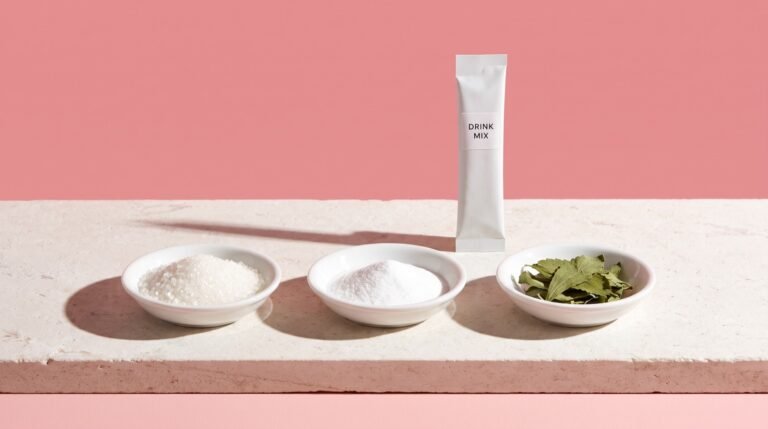
Sugar is in some electrolyte mixes for a real physiological reason and in others for taste. What each sweetener does, and what the research says about sucralose, stevia, monk fruit and erythritol.
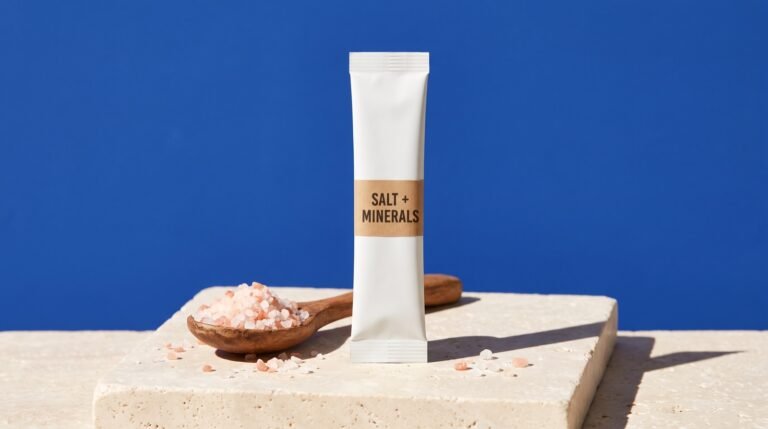
Electrolyte mixes range from 55 mg of sodium a serving to 1,000. Here’s what the popular ones carry, against what you sweat out and the daily limit.
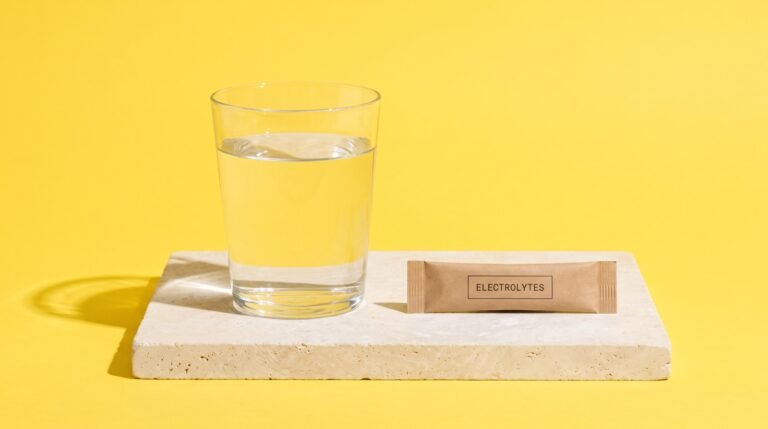
Most Americans already eat well over the daily sodium limit before a single electrolyte packet. When these drinks earn their place, when water is fine, and what the guidelines say.
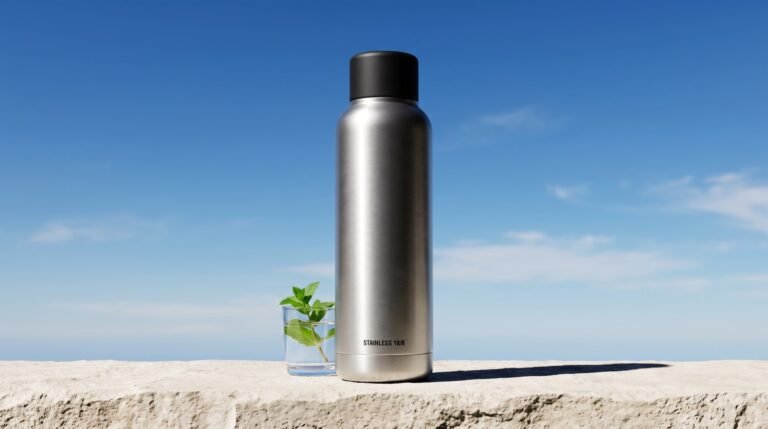
Most insulated bottles are sealed with a pellet of lead, and only some brands will tell you. Five bottles vetted on steel grade, linings, seals and who owns them.
An aluminum bottle never touches your drink. The resin lining it does, and almost no brand will tell you which resin that is. Here’s what we could and couldn’t find out.
A 2024 study counted about 240,000 plastic particles per liter of bottled water, nine tenths of them nanoplastics. What that number means, what it doesn’t, and what actually lowers it.
Stainless steel releases nickel and chromium under the right conditions, and most insulated bottles are sealed with a lead pellet. What the research and the court filings actually say.
BPA-free tells you one molecule is missing. The replacements that took its place test as about as hormonally active, and Europe has now banned the whole family from food contact.
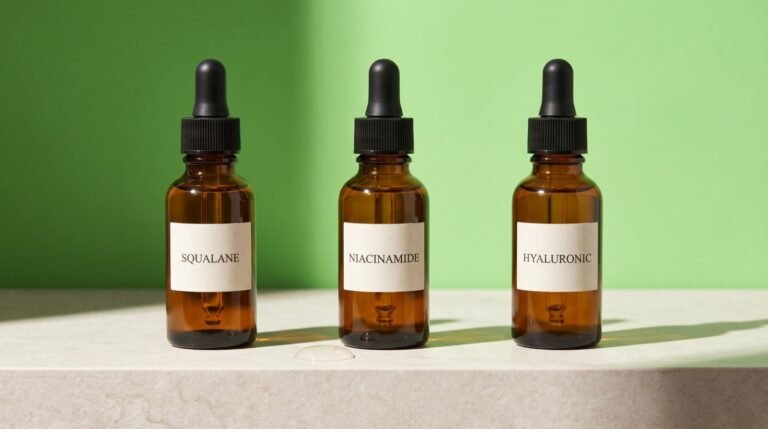
Three ingredients do most of the talking on moisturizer labels. One has real clinical trials behind it, one needs a partner to work, and one has a shark problem.
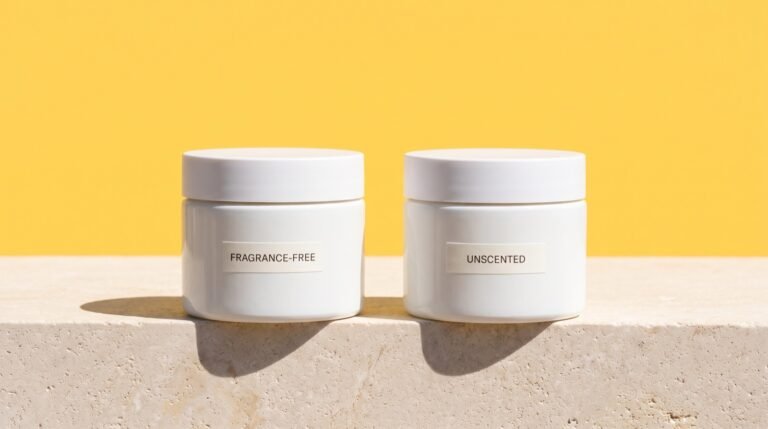
An unscented product can contain fragrance added to cover a smell. The FDA says so itself. What each label means, what patch testing keeps finding, and how to read past both.