
Jungle Culture
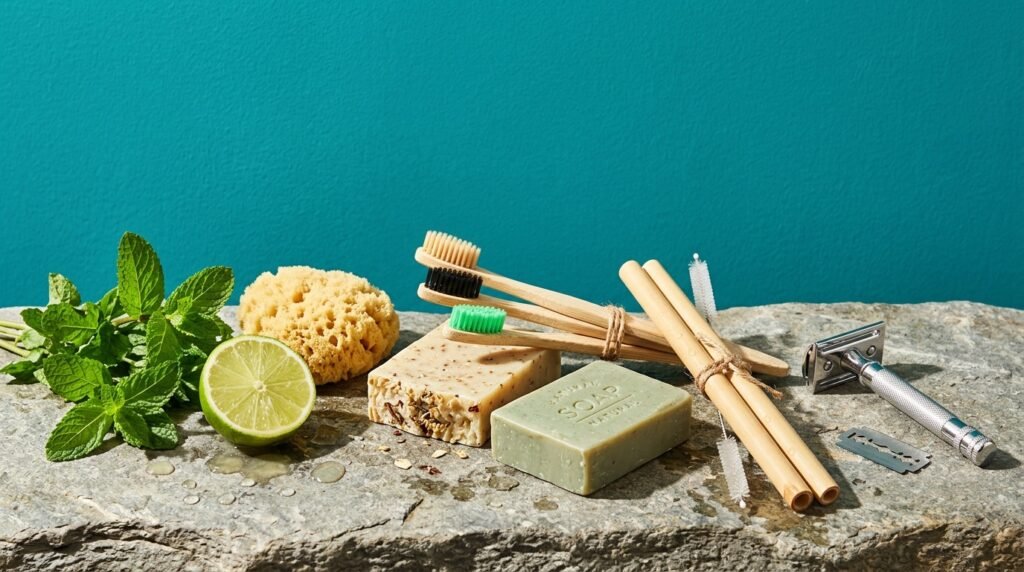
Quick verdict: Jungle Culture is one of the cheapest, easiest ways to start pulling plastic out of your bathroom and kitchen. It’s a UK brand whose entire range is 100% plastic-free, bamboo toothbrushes, safety razors, soap bars, reusable straws, and it sources them directly from small artisan workshops instead of faceless factories. Affordable, and refreshingly open about where things come from. What it doesn’t have is the stack of third-party certifications the big sustainable names carry. For everyday plastic-free swaps, though, it’s an easy recommendation. Our rating: 4.3 out of 5.
Who they are
Jungle Culture started with a straw. In August 2018 the team launched Jungle Straws, reusable bamboo drinking straws handmade at a family-run farm in Northern Vietnam, as a direct answer to single-use plastic. It grew from there. Today the UK-based brand runs a full range of plastic-free swaps for the bathroom, the kitchen, and everyday life, still built on the same idea: source it directly, keep it plastic-free, and pay the people who make it fairly. The design team sits in the UK, and the products are crafted by small workshops and farms across Vietnam and beyond.
What they get right
The strengths here are practical, and they show up the moment you use the stuff.
- A 100% plastic-free range. Not one “eco” shelf tucked inside a plastic catalog. The whole shop is plastic-free, product and packaging both.
- Direct, transparent sourcing. Rather than buying through middlemen, Jungle Culture visits the artisan workshops and small farms that make its goods and sources in person. It’s open about where each product comes from.
- Actually affordable. This is the rare plastic-free brand that doesn’t feel like a splurge. A bamboo toothbrush or a bar of soap costs about what the plastic version does, sometimes less.
- Buy-it-once staples. The safety razor is the standout. One stainless steel handle, blades that cost pennies, and you’re off disposable razors for years.
Where they fall short
Here’s the honest gap. Jungle Culture leans on its own sourcing standards rather than independent certification. There’s no B Corp stamp, no Fair Trade seal, no third-party audit you can look up to verify the labor and environmental claims. The transparency reads as sincere, but it’s self-reported, and that’s a different thing from independently checked. For a smaller brand this is normal, and the openness counts for a lot. Just go in knowing you’re trusting the brand’s word more than an auditor’s.
Two other things worth flagging. The catalog is broad, and some of it (coconut bowls, gift sets) is more lifestyle than essential. And because most orders ship from a UK base, delivery to the US can run slower and pricier than a domestic brand, so check shipping before you fill a cart.
What they sell, and what it costs
Bamboo toothbrushes, safety razors, shampoo and soap bars, reusable straws, konjac sponges, cotton produce bags, coconut bowls, bamboo cutlery. Pricing sits in the affordable-to-mid range, from around $5 for a toothbrush up to roughly $30 for a safety razor kit. The razor is where the math works hardest: buy it once, and replacement blades run a few cents each instead of $15 for a pack of cartridge refills.
Who it’s actually for
Anyone starting out on plastic-free swaps who doesn’t want to remortgage to do it. It’s a great first stop for the bathroom especially, where the toothbrush, razor, and soap-bar trio knock out most of your daily plastic in a single order. If you need certified-organic or third-party-audited everything, pair it with a more heavily certified brand. But for affordable, transparent, truly plastic-free basics, Jungle Culture earns its spot.
Deals & discounts
No reader code from us right now. Jungle Culture runs its own seasonal sales and bundle discounts on the site, and a first-order sign-up offer pops up from time to time. If we lock in a discount for readers, it’ll land here.
Frequently asked questions
Is Jungle Culture actually plastic-free?
Yes. The whole range is designed to be 100% plastic-free, product and packaging alike, which is rare even among eco brands. Most companies run a small “sustainable” line inside a much bigger plastic catalog. Jungle Culture built the entire shop around plastic-free from day one.
Where are Jungle Culture products made?
Mostly by small artisan workshops and family-run farms, with a lot of the bamboo goods handmade in Northern Vietnam. The brand says it sources in person rather than through middlemen, and its design team is based in the UK.
Does Jungle Culture have sustainability certifications?
No third-party ones, and this is the main gap in its story. Jungle Culture isn’t a certified B Corp and doesn’t carry the third-party seals some larger sustainable brands hold. The sourcing transparency is real but self-reported, so you’re trusting the brand’s word rather than an independent audit.
Should you buy from Jungle Culture?
For affordable, everyday plastic-free swaps, yes. The bathroom basics especially (bamboo toothbrush, safety razor, soap bars) are cheap, effective, and cut a surprising amount of plastic in one go. Just factor in UK shipping times and costs if you’re ordering from the US.
Related reading
Want to see where these swaps fit into a whole plastic-free home? Start with our guide to the best zero-waste swaps for a plastic-free home. And if it’s cleaning products you’re rethinking, our non-toxic cleaning guide covers the ingredients worth keeping out of the house.