
Wolven
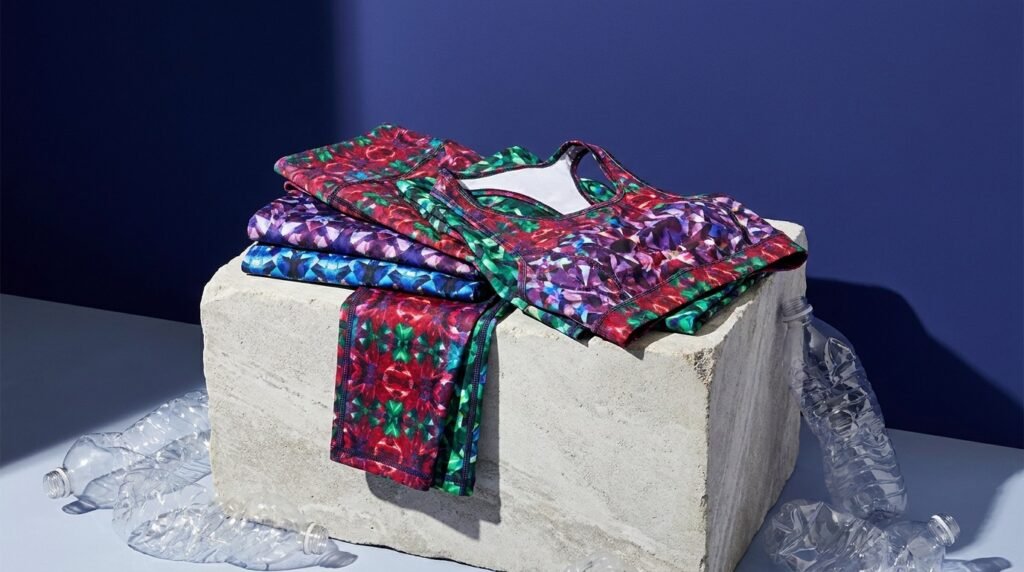
Quick verdict: Sustainable activewear has a look, and the look is black, gray and oatmeal. Wolven is the pushback: kaleidoscopic prints on fabric made from recycled bottles, certified to the Global Recycled Standard and OEKO-TEX. It’s independent and founder-owned, the fabric is lovely against skin, and it’s built for studio work rather than heavy training. The prints are a commitment if your wardrobe is neutrals. Our rating: 4.0 out of 5.
Who they are
Kiran Jade and Will Ryan founded Wolven in Los Angeles in 2016, with a design language drawn from Indian and Southeast Asian textile patterns rather than the muted palette the category defaulted to.
It’s independent and still founder-owned, which in activewear at this level of recognition is not the norm.
What they get right
Global Recycled Standard certification is the one that matters here. GRS verifies recycled content through the chain of custody, so the recycled-bottle claim is audited rather than asserted. Plenty of brands say “made from recycled plastic”. Far fewer can prove the percentage.
OEKO-TEX Standard 100 covers chemical safety across the finished garment, which matters for something worn against skin during exercise.
The fabric feels good. Buttery rather than plasticky, with enough compression for yoga and flow work without the vice-like feel some recycled synthetics have.
Design is a sustainability argument. Clothes people actually want to wear get worn, and garment lifespan is the biggest lever in fashion impact. A print you love beats a neutral you tolerate.
Where they fall short
The prints are the whole proposition and they won’t suit everyone. There are solids, but choosing Wolven for its solids is missing the point and paying for design you’re not using.
It’s studio-weight rather than technical. For running, heavy lifting or high-sweat training, Girlfriend Collective’s compression and moisture handling are better.
Supply-chain transparency stops at the certifications. You get GRS and OEKO-TEX, not a named factory list, so labor conditions rest on the certifications rather than on disclosure the way Girlfriend Collective’s SA8000 facility does.
And recycled polyester sheds microplastic in the wash, which is the honest ceiling on this entire category rather than a Wolven failing.
What they sell and what it costs
Leggings, sports bras, swimwear, bodysuits and loungewear. Leggings typically run $78 to $98, bras $48 to $68, which sits alongside Girlfriend Collective and above Pact.
Who it’s actually for
Yoga, pilates, studio work and anyone who has looked at sustainable activewear and found it aesthetically joyless. It’s also a strong swimwear pick, where the prints do the most work.
For hard training, Girlfriend Collective. For rest days and softness, Boody. For budget, Pact.
Deals and discounts
No affiliate program on our side, so nothing here earns us anything.
Related reading
- 7 Sustainable Activewear Brands That Perform
- What Is Sustainable Fashion?
- Is Lululemon Actually Sustainable?
Frequently asked questions
Is Wolven’s recycled claim actually verified?
Yes, through Global Recycled Standard certification, which audits recycled content along the chain of custody rather than taking the brand’s word for the percentage. The fabric also holds OEKO-TEX Standard 100 for chemical safety. That combination is stronger than most of the category manages.
Is Wolven good for running or heavy training?
Not really. It’s built for studio work: yoga, pilates, flow, and everyday movement. The fabric is comfortable rather than technical, so for running or hard sweat sessions the compression and moisture management of a performance-focused brand will serve you better.
Does Wolven shed microplastics?
Yes, like every garment made from recycled synthetics. Turning bottles into fabric solves a waste problem, not a shedding one. A washing filter bag catches a good share, and washing cooler and less often helps.
Who owns Wolven?
Kiran Jade and Will Ryan, who founded it in Los Angeles in 2016. It’s independent with no parent company, which in activewear at this size is increasingly rare.