
OSEA
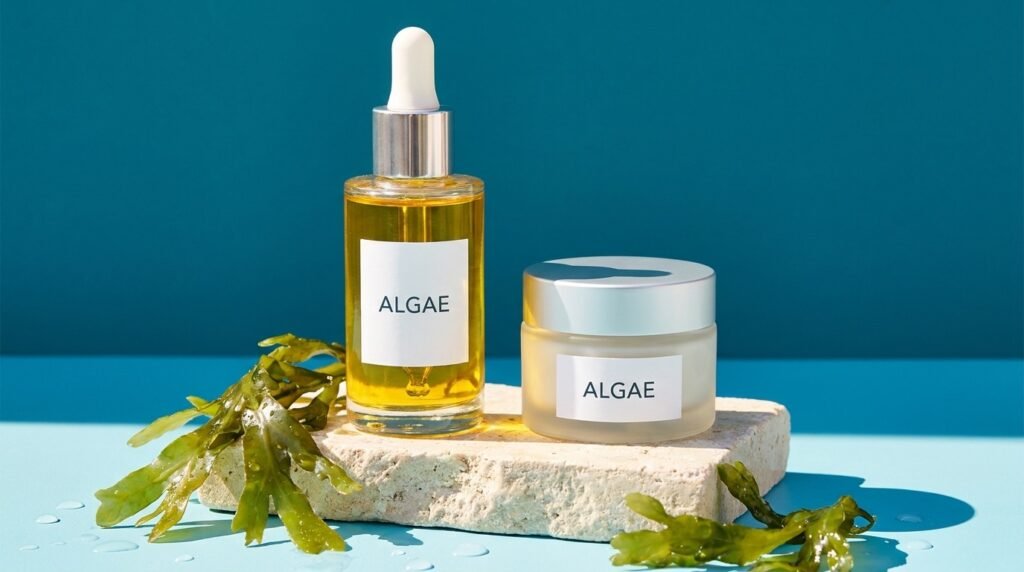
Quick verdict: OSEA has been doing the same thing since 1996, which in this category is almost eccentric. Seaweed, hand-harvested, as the active backbone of everything. It’s still run by the family that started it, mother and daughter, it’s vegan throughout, and it holds Climate Neutral certification, renamed The Climate Label in 2025. Two things it doesn’t have: the product-level certification stack the strongest brands here carry, and the full independence it had until September 2025, when General Atlantic took a growth investment. Our rating: 3.8 out of 5.
Who they are
Jenefer Palmer spent about a decade working on seaweed formulas before founding OSEA in Malibu in 1996, and the company is still led by mother and daughter three decades on. It held out through the whole clean beauty acquisition boom, and then in September 2025 took a strategic growth investment from General Atlantic, which bought out an earlier investor. The founders kept a significant stake and the day-to-day, so this is dilution rather than a sale, and it’s a change worth knowing about.
The seaweed is hand-harvested rather than industrially farmed, and the sourcing story is the one part of the supply chain the brand documents in real detail.
What they get right
Thirty years of consistency. OSEA was doing this before there was a category name for it, and the formulas have evolved rather than pivoted.
Founder control, which on our criteria is close to the strongest available answer, though the 2025 investment means it’s no longer the outright independence it was.
Climate Neutral certification since 2021, now issued as The Climate Label, plus 1% for the Planet membership. Both cover the company’s footprint and its giving rather than the products. The rename in 2025 brought a different standard with it, and OSEA did recertify under it: its 2024 emissions are published, down to the scope, alongside the reduction work it’s funding.
Vegan throughout, with no animal-derived ingredients anywhere in the range, which is unusual for a brand this old.
The Undaria Algae Body Oil is the product that built the brand, and it deserves its reputation. For dry skin it does what a much more expensive oil does.
Where they fall short
The certification gap is real and it’s why this sits at 4.0 rather than higher. No B Corp, no MADE SAFE, no COSMOS. You get The Climate Label, which is about carbon rather than formula, and 1% for the Planet, which is about giving. Compared to Weleda’s NATRUE-across-the-range or True Botanicals’ MADE SAFE, the product itself is less independently verified.
It also uses essential oils for scent, which will rule it out for reactive skin.
And the pricing sits in the premium band without the clinical testing that justifies True Botanicals’ equivalent numbers. You’re paying partly for a very good product and partly for Malibu.
What they sell and what it costs
Cleansers, serums, moisturizers, body oils and body wash. Most items run $48 to $88, with body care at the lower end. Start with the Undaria Algae Body Oil rather than the face range if you’re testing whether it suits you.
Who it’s actually for
Dry, dull, or dehydrated skin, and anyone who values thirty years of founder-run continuity over a certification badge. It’s also a strong pick if you want vegan without hunting for it.
If certification is what convinces you, Weleda or True Botanicals sit higher on exactly that axis. If you react to essential oils, Pai.
Deals and discounts
No affiliate program on our side, so nothing here earns us anything.
Related reading
Frequently asked questions
Is OSEA a B Corp?
No, and it’s worth being precise because the brand is often grouped with certified ones. OSEA holds Climate Neutral certification, renamed The Climate Label in 2025 and recertified under the new standard, and is a member of 1% for the Planet. Both are about company footprint and giving rather than the formulas. There’s no B Corp, MADE SAFE, or organic certification on the products themselves.
Does seaweed actually do anything for skin?
It’s a genuine humectant and it carries minerals, vitamins and polysaccharides that help skin hold water, so for dryness and dullness the mechanism is real rather than marketing. What it isn’t is a substitute for a retinoid or an acid if you’re treating texture or pigmentation.
Who owns OSEA?
The founding family, alongside General Atlantic, which took a growth investment in September 2025. Jenefer Palmer started OSEA in Malibu in 1996 and she and her daughter still run it, with no corporate parent above them. Among skincare brands of this profile, three decades of founder control is still the exception.
Is OSEA good for sensitive skin?
Mixed. The formulas are vegan, free of synthetic fragrance, and generally gentle, which suits a lot of people. They do contain plant essential oils, which are the most common trigger in natural skincare. If that’s your issue, Pai is built specifically around avoiding them.