
Seea
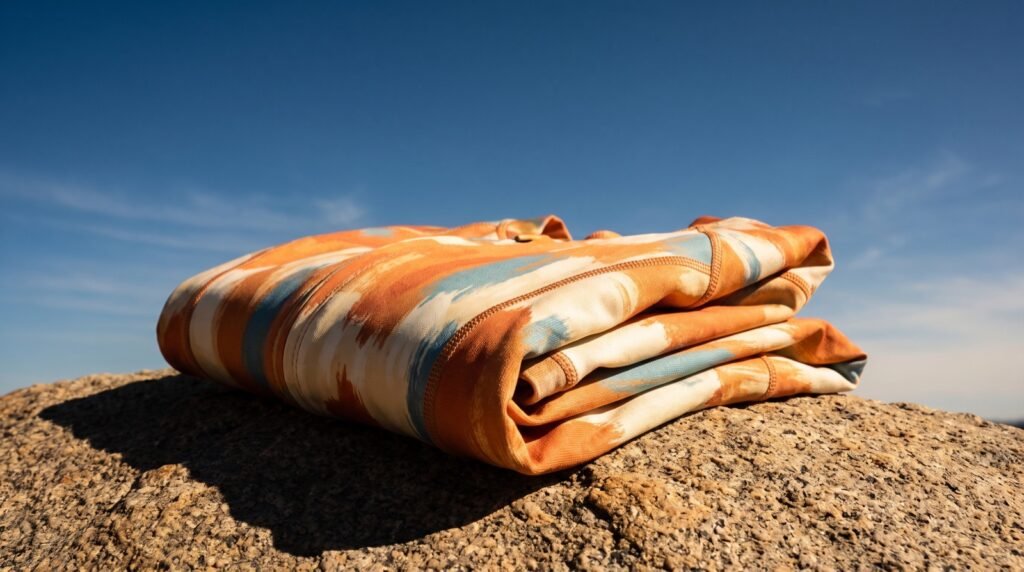
Quick verdict: Most swimwear is designed to be looked at. Seea’s is designed to be surfed in, and you can feel the difference the first time you duck under a wave and nothing moves. It’s founder-owned, sewn in California, and honest about the fact that it holds no third-party certification. Our rating: 3.7 out of 5.
Who they are
Amanda Chinchelli started sewing suits in her garage in 2011 because nothing on the market let her paddle out without adjusting a strap every third wave. Fifteen years later she still owns the business and still designs it, out of San Clemente, California. No investors, no parent company, no acquisition. In a category where most of the good small labels have been bought by somebody, that’s worth knowing.
The range is long-sleeved surf suits, one-pieces, bikinis, rashguards and Yulex wetsuits, in prints that lean painterly and retro rather than neon.
What they get right
The suits are cut for movement, not for a photo. This is the whole reason the brand exists. Higher necklines, real coverage, straps that hold under water. If you surf, you already know how short the list of swimwear that does this is.
Everything is sewn close to home. Seea says its sewing factories all sit within 100 miles of the office and that it still works with many of the original partners from 2012, visiting them regularly. That’s not a supplier list and we won’t call it one, but a hundred-mile radius is a specific, checkable kind of claim rather than a paragraph about values.
The materials are the better versions. Recycled nylon including ECONYL, which is regenerated from ghost fishing nets and other recovered waste, recycled polyester, and Yulex natural rubber in the wetsuits instead of petroleum neoprene. Our explainer on ECONYL covers what that fiber does and doesn’t solve.
Small on purpose. Fifteen years, one category, no diversification into candles. The catalog is focused because the founder is still the designer.
Where they fall short
No certifications. None. Not B Corp, not Fair Trade, not GOTS, not bluesign, not a Climate Label. We checked each at the issuing body rather than taking a word for it, and Seea appears in none of them. The recycled-material claim rests on the fabric they buy, and the labor claim rests on the fact that the factories are down the road. Both are believable. Neither is audited.
The Yulex trace doesn’t close. Seea says its natural rubber comes from Forest Stewardship Council certified trees, which is a real thing, but the certificate would belong to the rubber supplier rather than to Seea, and no certificate number or holder is published. We couldn’t finish the trace. Compare that to how Patagonia handles the same material.
It’s boutique money. Surf suits list from about $150 to $240, with most sitting near $170. For a piece of swimwear that’s a lot, even one you’ll wear for years.
Sizing runs specific. These are cut for surfing, which means snug, and the fit is less forgiving than a resort suit. Read the fit guide before you order, because a surf suit that’s slightly too big defeats the entire point.
What they sell and what it costs
Surf suits, one-pieces, bikinis, rashguards, Yulex wetsuits and a small girls’ range. Surf suits list $150 to $240, with rashguards and separates cheaper. Solidly $$$.
Who it’s actually for
Buy Seea if you surf, swim laps, or spend real time in moving water and you’ve given up on suits that need adjusting. That’s a narrow recommendation and it’s a confident one.
If you want the same durability from a bigger company with certifications behind it, Patagonia makes the harder-wearing suit and holds B Corp and Fair Trade. If you mostly lie by a pool, you’re paying for engineering you won’t use.
Deals and discounts
No affiliate relationship on our side. The clearance section carries previous-season prints at real reductions, and since the cut doesn’t change much year to year, last season’s is the same suit.
Related reading
- The Best Sustainable Swimwear Brands for Guilt-Free Summers
- What ECONYL Recycled Nylon Actually Is
- Microplastic Shedding From Swimwear
- PFAS in Swimwear
Frequently asked questions
Is Seea swimwear made in the USA?
Seea says its sewing factories are all within 100 miles of its San Clemente office and that it has worked with many of the same partners since 2012. It doesn’t name them, so this is the brand’s own account rather than an audited supply chain, but it’s a specific claim about geography rather than a vague one about values.
Does Seea hold any sustainability certifications?
No. We checked B Lab, Fair Trade USA, GOTS, the Climate Label register and the bluesign partner list, and Seea appears in none of them. Its materials claims rest on the fabrics it buys, including ECONYL and Yulex, rather than on an audit of the company. We’d rather say that plainly than let a fabric logo do work it hasn’t earned.
What is Yulex and how is it different from neoprene?
Yulex is a natural rubber foam used in place of neoprene, which is a petroleum product. It performs similarly for warmth and stretch in a wetsuit while cutting the fossil input. Seea says its Yulex comes from FSC certified trees, though the certificate belongs to the rubber supplier and no number is published, so we couldn’t verify that part ourselves.
Who owns Seea?
Amanda Chinchelli, who founded it in 2011 and still designs the range from San Clemente. There’s no parent company, no acquisition, and no outside investment we could find.
Are Seea suits worth the price?
If you surf, probably yes. Surf suits run $150 to $240, which is a lot for swimwear, and the return is a suit that stays where you put it through a session and holds up to salt and sun for several seasons. If you’re buying for sunbathing, you’re paying for engineering you won’t notice.