
Pact
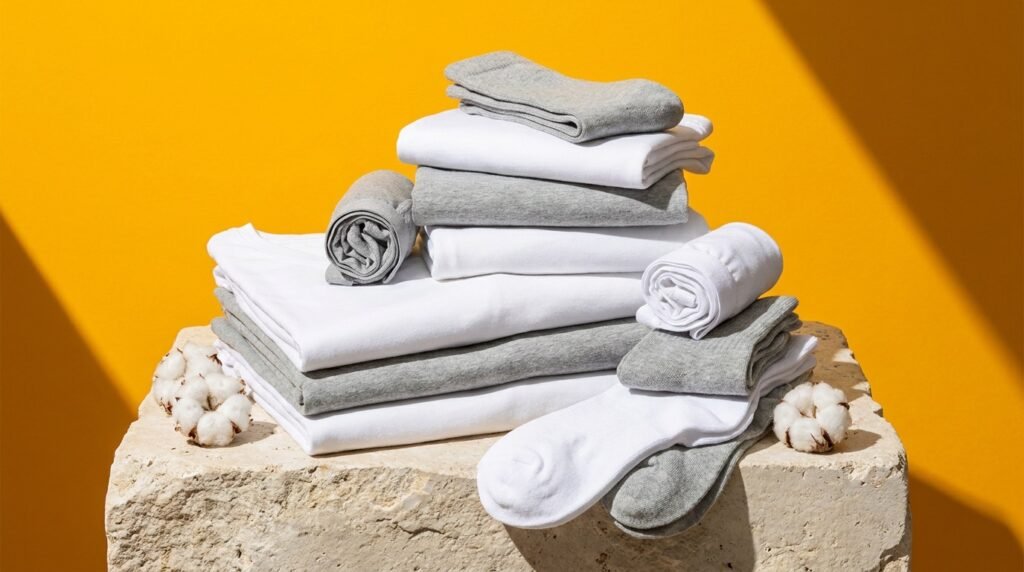
Quick verdict: Pact is still the brand we point people to when the barrier to shopping better is money, which it usually is. The cotton is GOTS certified at the mill, the sewing happens in Fair Trade Certified factories, and the prices sit close to what you’d pay at a regular chain. What we can’t verify are the bigger claims Pact makes about its own supply chain, and that’s what moved the number. Our rating: 3.5 out of 5, down from 4.2 after a re-review in August 2026.
Who they are
Pact was started in 2009 in Berkeley, California by Jeff Denby and Jason Kibbey, who met in the MBA program at Berkeley Haas. The thesis was direct: certified organic and Fair Trade clothing already existed, it just cost too much for most people to buy. Selling straight to the customer rather than through wholesale strips out the markup that makes certified basics expensive on a department store rail.
It worked well enough that Pact became the first Fair Trade certified clothing sold in Whole Foods, and the company reports having paid more than $2.2 million in Fair Trade premiums back to the workers who make its clothes.
Then the ownership changed. That’s the part most reviews skip. In December 2011 Pact was bought by Revelry Brands, a Boulder investment firm owned by Brendan Synnott, who has run the company as CEO since and moved it to Colorado. Sunrise Strategic Partners took a minority stake in 2016. That matters for a directory built on ownership. You’ll see Synnott listed as a co-founder in a lot of places, including his own profiles, but the SEC filing from 2009 and the acquisition announcement both say otherwise. He bought it two years in.
What they get right
- GOTS certification on the cotton, which is the meaningful one. It covers the whole chain from field to finished garment, sets environmental criteria at every processing stage, and includes social requirements. Not just “organic cotton” on a hangtag.
- Fair Trade Certified sewing facilities, which is the harder half. Most brands that certify their fiber say nothing at all about the factory.
- A published premium figure. The $2.2 million number is the kind of specific, checkable claim the greenwashing guide tells readers to look for, and most brands won’t give you one.
- The price. Organic cotton underwear for roughly what conventional costs is the entire reason this profile exists.
Where they fall short
Transparency is where this brand comes up short, and it’s why we re-reviewed it in August 2026 and moved the rating down from 4.2.
Pact publishes no supplier list, no factory list, and no sustainability or impact report of any kind. What it does publish, on every product page, is a claim that its entire supply chain is inspected by a third-party auditor to ensure all suppliers adhere to GOTS. That’s a far bigger statement than anything we could verify, and Pact offers nothing to back it.
One thing cuts the other way. It matters. Pact itself doesn’t appear in the GOTS certified-entity database. On its own that means little, because GOTS exempts retailers selling direct to consumers from holding their own certificate, and Patagonia is missing from the same register for the same reason. The mill Pact uses, Rajlakshmi Cotton Mills in India, is certified, and we confirmed that in the issuer’s own database. So the cotton claim holds. The claim about the whole chain doesn’t.
Pact also holds no Oeko-Tex or bluesign certification, the marks that would speak to chemical processing rather than fibre.
The clothes themselves are cotton, with what that implies. They stretch out over a day, they hold moisture, and they’re not the right choice for a hard workout. The styling is deliberately plain, which is correct for socks and wrong if you wanted the piece to be interesting.
And the ownership is worth stating plainly in a directory that cares about it. Pact is private-equity owned, not independent. That doesn’t disqualify a brand on its own, and it does mean the company answers to investors who will want an exit eventually. A sale would put this rating back under review.
What they sell and what it costs
Underwear, bras, tees, socks, loungewear, kids’ clothes, plus towels and bedding. Underwear starts around $12 to $18, tees around $20 to $30, and the home textiles run higher. Sales are frequent and worth waiting for if you’re stocking up.
Who it’s actually for
Anyone making a first move away from conventional cotton, especially on the layer against your skin all day. It’s the easiest recommendation in this directory for someone on a budget who wants certification rather than vibes. If you want technical performance, or clothes with personality, this isn’t the one.
Deals and discounts
No live affiliate program on our side, so nothing here is monetized and there’s no code to pass on.
Related reading
- Sustainable Underwear: 6 Brands Worth Buying
- 7 Sustainable Activewear Brands That Perform
- What Is Sustainable Fashion?
Frequently asked questions
Is Pact actually organic?
Yes, and the certification is the strong kind. GOTS covers the entire chain from the cotton field through processing to the finished garment, with environmental and social criteria at each stage, which is a much higher bar than a brand simply saying it buys organic cotton.
Where are Pact clothes made?
In Fair Trade Certified factories, primarily in India. Pact reports paying over $2.2 million in Fair Trade premiums, money that goes to worker-controlled funds rather than to the factory owner. What you won’t get is a named supplier list, so the assurance comes from the certifier rather than from your own inspection.
Is Pact good for working out?
For gentle movement, walking, and yoga, it’s comfortable. For anything that makes you sweat properly, cotton is the wrong fiber: it soaks up moisture and stays heavy. Use Pact for everyday basics and look at a recycled-synthetic brand for real training.
Does Pact have a parent company?
Yes. It isn’t independent. Revelry Brands owns it, a Boulder investment firm run by Brendan Synnott, which bought the company in December 2011 from founders Jeff Denby and Jason Kibbey. Sunrise Strategic Partners took a minority stake in 2016. It’s privately held, so there’s no public filing to check the current split against.
How does Pact stay so cheap?
By selling direct instead of through wholesale. A certified organic tee on a department store rail carries several layers of markup, and cutting those out is most of the price difference. The certifications aren’t where the saving comes from.