
Badger
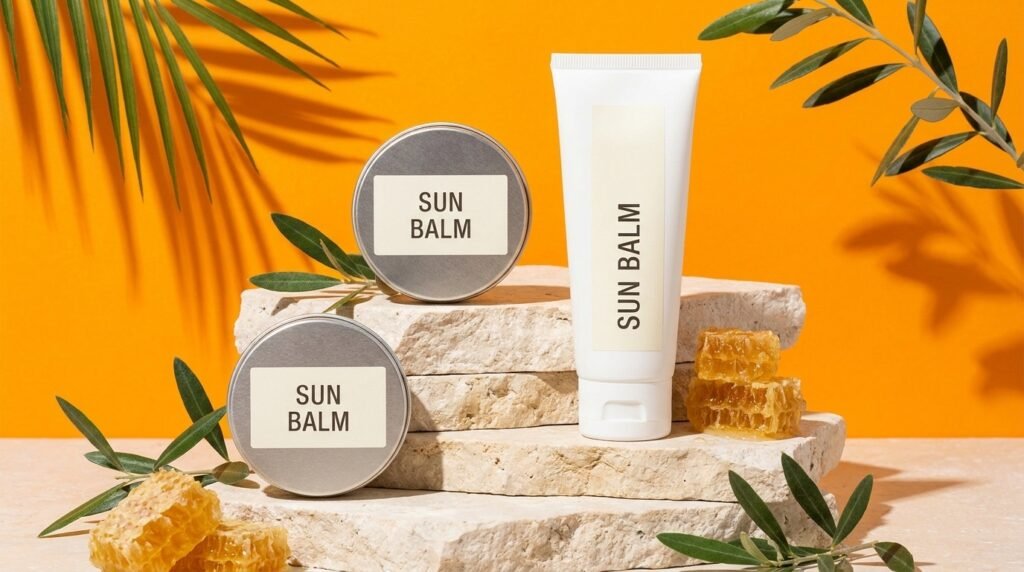
Quick verdict: Badger is the brand for people who want to read an ingredient list in about four seconds. It’s been making USDA certified organic balms in rural New Hampshire since 1995, it’s a B Corp that keeps winning Best for the World, and it’s still owned and run by the founding family. The mineral sunscreen leaves a visible cast, which Badger has never tried to talk you out of noticing. Our rating: 4.5 out of 5.
Who they are
Badger started in 1995 in Gilsum, New Hampshire, and it is still there, which in this category counts for something on its own. It’s now a second-generation family business, led by co-CEOs Rebecca Hamilton and Emily Schwerin-Whyte, the founder’s daughters.
The scale is deliberately modest. Badger operates a USDA certified organic facility, makes its products on site, and has resisted the growth-then-sale pattern that has taken most of its 1990s contemporaries. When a directory criterion asks whether a brand’s owner shares its values, a family running the same factory thirty years on is close to the strongest possible answer.
What they get right
The ingredient lists are the headline. A Badger balm is frequently four or five ingredients, all of them recognizable, most of them certified organic. In a category where “clean” often means thirty ingredients with better marketing, that restraint is the product.
The B Corp certification is unusually strong, with repeated Best for the World recognition for environmental performance rather than a single passing score.
On sunscreen specifically, Badger uses non-nano zinc oxide, which is the formulation reef-safe guidance actually points to, and it discloses the percentage rather than hiding behind “mineral-based.”
The company also has a long record on employee treatment, including on-site childcare and paid family leave, which is the sort of thing that gets audited in a B Corp assessment rather than claimed in a press release.
Where they fall short
The sunscreen leaves a white cast. Non-nano zinc at a meaningful percentage does that, and there’s no formulation trick that removes it entirely. Badger is honest about this, and it is still the main reason people bounce off the brand. On deeper skin tones it’s a real limitation rather than a cosmetic quibble.
The balms are also thick and greasy by design, which is right for cracked hands in February and wrong as an everyday facial moisturizer. And the range is narrow. This is a balm and sun care specialist, not a full skincare routine.
What they sell and what it costs
Mineral sunscreens, the original hard-working balms, lip care, body oils, and a baby range. Most items sit between $6 and $20, which is at or below what comparable certified organic products cost. The sunscreens run a little higher and are still cheaper than most reef-safe specialists.
Who it’s actually for
Anyone with reactive skin who wants the shortest possible ingredient list, parents looking for a very simple baby range, and anyone who wants mineral sunscreen and is willing to accept a cast in exchange for knowing exactly what’s on their skin. If a completely invisible finish is non-negotiable, buy a tinted mineral formula from a specialist instead.
Deals and discounts
Nothing live. We have no affiliate relationship with Badger, so no link here pays us.
Related reading
- Reef-Safe Sunscreen: 7 Mineral Picks That Rub In
- 7 Skincare Ingredients to Avoid
- Endocrine Disruptors in Cosmetics: 6 to Know by Name
Frequently asked questions
Is Badger sunscreen reef-safe?
It uses non-nano zinc oxide as the active, with no oxybenzone or octinoxate, which is what reef-safe guidance and the Hawaii legislation actually target. Worth knowing that “reef-safe” is not a regulated term, so the useful check is always the active ingredient rather than the phrase on the front.
Why does Badger sunscreen leave a white cast?
Because it works. Zinc oxide sits on top of skin and reflects light, and a formula with enough zinc to give real protection is going to be visible. Badger doesn’t add the chemical filters or nano particles that reduce the cast. If the cast is a dealbreaker, a tinted mineral sunscreen is the compromise worth trying.
Who owns Badger?
The founding family. It’s a second-generation business run by co-CEOs Rebecca Hamilton and Emily Schwerin-Whyte, still operating from the same New Hampshire site where it started in 1995. There’s no parent company and no acquisition in the picture.
Is Badger actually certified organic?
Yes, and through the USDA program rather than a self-written standard. Badger runs a USDA certified organic facility and carries the certification on its products, which is a meaningfully harder bar than “made with organic ingredients” language elsewhere in the category.