
tentree
Quick verdict: The hook is in the name: ten trees planted for every item sold, hundreds of millions so far. What keeps tentree in this directory is that the hook is backed by paperwork rather than being the whole story. It’s a certified B Corp, it holds Climate Neutral certification, renamed The Climate Label in 2025, the fabrics lean on TENCEL and organic cotton, and it’s still Canadian and founder-owned. The clothes are everyday-comfortable rather than technical. Our rating: 4.1 out of 5.
Who they are
Brothers Derrick and Kalen Emsley and David Luba started tentree in Regina in 2012 and now run it from Vancouver. The founding idea was reforestation with an apparel business attached to fund it, which is an unusual way round and explains why the tree count gets more prominence than the fabric.
It remains Canadian-founded, Canadian-owned and independent, with no parent group.
What they get right
B Corp certification assesses the company rather than the marketing, which matters for a brand whose pitch is an impact claim.
Climate Neutral certification since 2021, renewed year on year and now issued as The Climate Label. The 2025 rename brought a different standard with it, and the change matters here. The old mark was measure-then-offset. The new one has a brand pay a carbon fee, currently $15 a tonne, and fund climate work against it. tentree’s most recent filing puts none of that into carbon credits. Around $91,500 went into organic cotton and other lower-carbon materials, which is money spent inside its own supply chain rather than outside it.
The materials are the good ones. TENCEL lyocell is produced in a closed-loop process that recovers most of its solvent, which makes it one of the better wood-derived fibers. Organic cotton and recycled polyester fill out the rest.
The trees are trackable. Each item carries a code that shows you where the planting happened, which turns an unverifiable claim into something you can check.
Where they fall short
Tree planting is the weakest part of the environmental case, even done well. Trees take decades to sequester meaningful carbon, survival rates vary, and planting cannot offset the impact of manufacturing at volume. tentree is more careful about this than most, but the headline number does more marketing work than environmental work.
The clothes are also comfortable rather than technical. The InMotion line handles walking, yoga and everyday movement; serious training wants more compression and better moisture handling.
And supply-chain transparency stops short of the best in class. You get certifications and a materials list, not a named factory list.
What they sell and what it costs
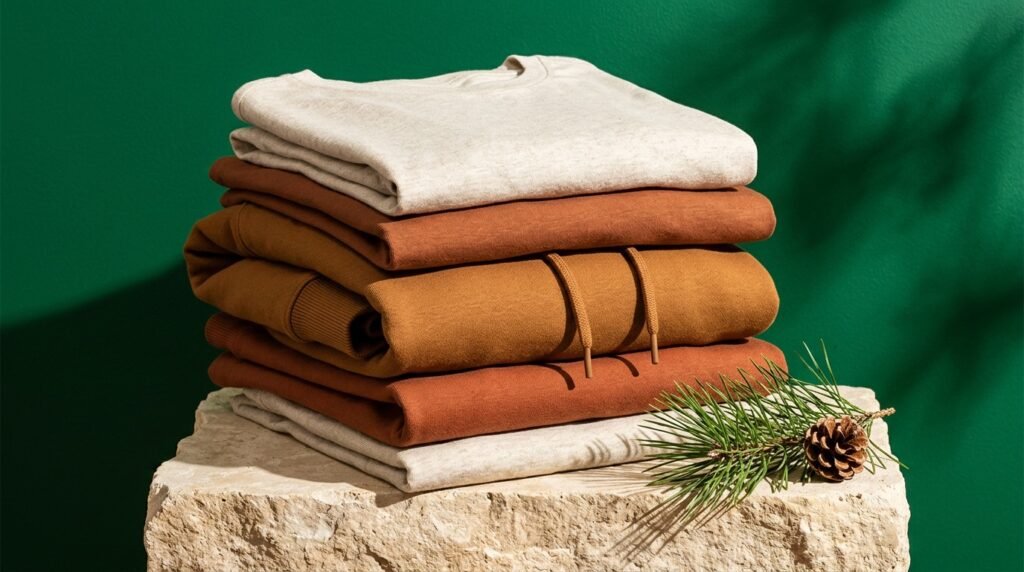
T-shirts, hoodies, sweaters, joggers, light activewear and outerwear. Tees typically run $30 to $45 and hoodies $70 to $100, which is mid-market: above Pact, below Patagonia.
Who it’s actually for
Everyday basics with a lower-impact fiber mix, for someone who wants the climate contribution built into the purchase rather than added on. It’s a good first step brand.
If you want technical performance, Girlfriend Collective. If you want the lowest price, Pact.
Deals and discounts
No affiliate program on our side, so nothing here earns us anything.
Related reading
- 7 Sustainable Activewear Brands That Perform
- What Is Sustainable Fashion?
- How to Spot Greenwashing: 4 Tactics Brands Still Use
Frequently asked questions
Does tentree really plant ten trees per item?
It does, and each item carries a code that lets you see the planting site, which is more verification than most impact claims come with. The honest caveat is that planted trees take decades to sequester carbon and not all of them survive, so the number is real but it isn’t the same as ten trees’ worth of climate benefit arriving today.
Is tentree actually sustainable, or is it greenwashing?
It clears the bar our greenwashing guide sets, which is that claims should be specific and independently checked. B Corp and The Climate Label, the mark that replaced Climate Neutral in 2025, are both third-party assessed, the fibers are lower-impact by any measure, and the tree claim is traceable. Where we’d push back is on emphasis: the trees get more attention than the manufacturing footprint they can’t cancel out.
What is TENCEL and is it better than cotton?
TENCEL is lyocell made from wood pulp in a closed-loop process that recovers and reuses most of the solvent, which makes it one of the better regenerated fibers. Against conventional cotton it uses far less water. Against organic cotton it’s a different set of tradeoffs rather than a clear win.
Is tentree good for the gym?
For yoga, walking, and everyday movement, yes. For hard training, no: the InMotion line is built for comfort rather than compression and moisture management. Buy it for the rest of your wardrobe and something technical for training.