
Hairstory
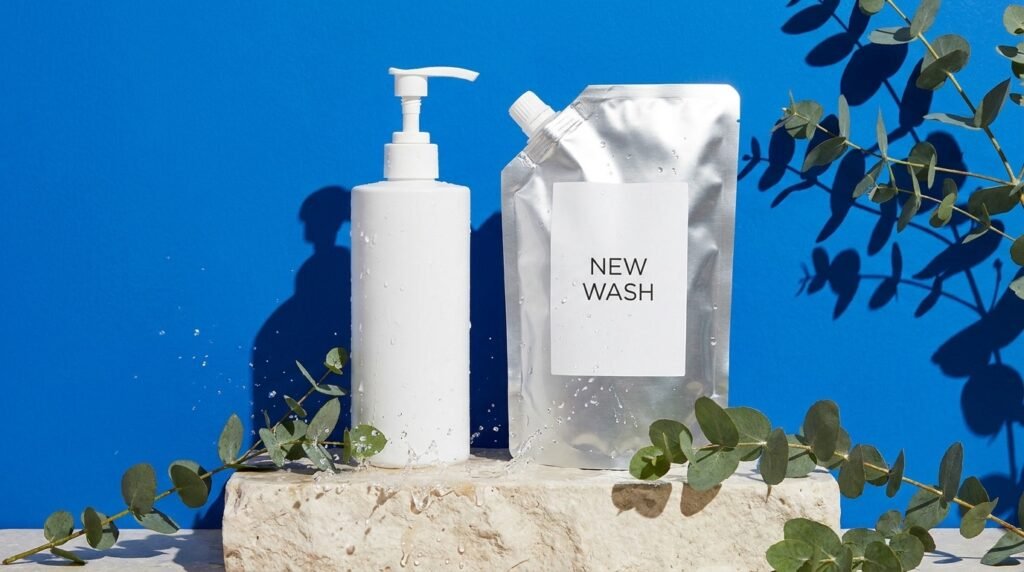
Quick verdict: Michael Gordon built Bumble and bumble into one of the biggest names in professional haircare, sold it, and then concluded that the shampoo he’d spent a career selling was the problem. New Wash is his answer: no detergent, one product doing what shampoo and conditioner did, sold in refill pouches. It works well for a lot of people, badly for some, and there’s a transition period nobody enjoys. Our rating: 3.8 out of 5.
Who they are
Gordon founded Hairstory in 2015 after Bumble and bumble, and the premise is a direct argument with his own back catalogue. Conventional shampoo cleans with detergents that strip the scalp’s oil, which prompts the scalp to produce more, which is why you wash again two days later. New Wash cleans with oils and a mild cleansing agent instead, aiming to break that cycle.
The company is independent and founder-owned.
What they get right
One product instead of two, which halves the bottles before you even get to the refill pouches. Those pouches use a fraction of the plastic of a rigid bottle and are the sensible core of the packaging story.
The no-detergent premise is sound. Sulfate stripping and the rebound oil cycle are real, and people with dry scalps, curls, or color-treated hair often see a genuine improvement.
It’s founder-owned, by someone with nothing left to prove in the category, which is why the brand can afford to sell one product rather than a twelve-step routine.
It’s decent value in use, because a bottle lasts a long time and it’s replacing two products.
Where they fall short
There is no third-party certification at all, and that’s the largest gap. No B Corp, no COSMOS, no MADE SAFE, no EWG Verification. The formula reads well and the claims are plausible, and none of it is audited by anyone. That’s why this sits at 3.8 despite a strong ownership and packaging story.
The transition is real and badly communicated. Coming off detergent shampoo, hair often looks greasy or heavy for one to three weeks while the scalp recalibrates. Most people who abandon New Wash abandon it here, and going in unwarned is the main reason.
It doesn’t suit everyone. Very fine or very oily hair often finds it too heavy no matter how long the transition runs. And there are essential oils in the formula, so reactive scalps should be careful.
What they sell and what it costs
New Wash in three variants, plus conditioner, styling products, brushes and refill pouches. A bottle typically runs $40 to $48 and lasts a long time; refills cost less and cut the packaging further.
Who it’s actually for
Dry scalps, curls, color-treated hair, and anyone whose hair gets greasy fast and who suspects the shampoo is causing it. Also anyone trying to cut bathroom plastic, where one refillable product beating two bottles is a clean win.
Give it three weeks before judging. If your hair is very fine or very oily, Innersense or Attitude are safer bets.
Deals and discounts
No affiliate program on our side, so nothing here earns us anything.
Related reading
Frequently asked questions
Does New Wash actually clean hair without shampoo?
It cleans without detergent, which is not the same as not cleaning. Oils and a mild cleansing agent lift dirt and excess sebum without stripping the scalp the way sulfates do. Whether it leaves your hair feeling clean depends a lot on your hair type: dry and curly tends to love it, very fine and oily often doesn’t.
How long is the transition period?
Usually one to three weeks, during which hair can look heavier or greasier while the scalp adjusts to producing less oil. This is the single biggest reason people give up, and it passes. If you’re four weeks in and it still feels wrong, it probably isn’t for you.
Is Hairstory certified by anyone?
No, and it’s the clearest weakness. There’s no B Corp, no organic certification, no EWG or MADE SAFE verification. The ingredient list is published and reads well, but nothing about it has been independently audited, so you’re trusting the brand.
Who owns Hairstory?
Michael Gordon, who founded Bumble and bumble, sold it, and then started Hairstory in 2015 to argue against the product category he’d helped build. It’s independent with no parent company.