
Bee’s Wrap
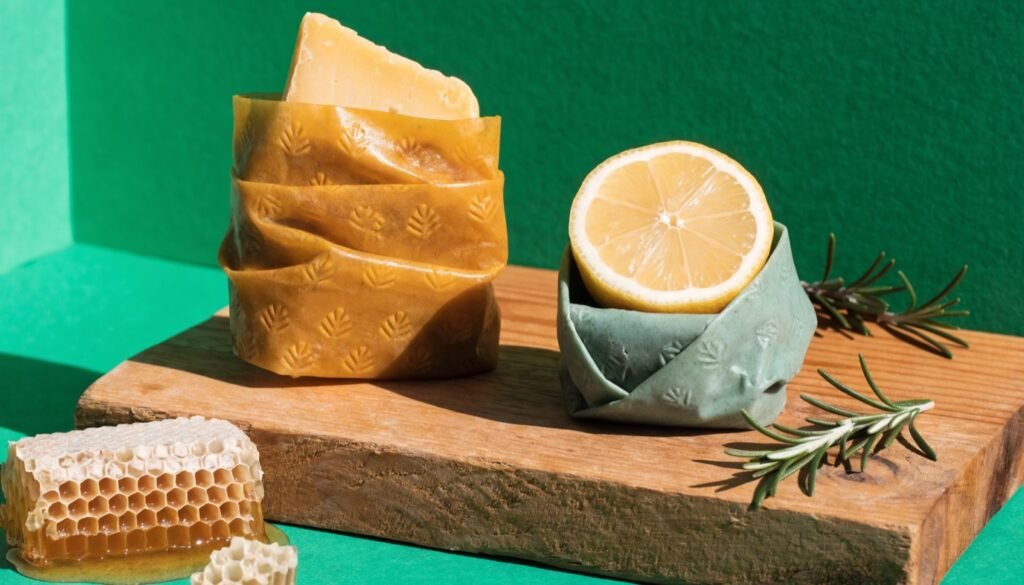
Quick verdict: Bee’s Wrap is the brand that made beeswax wraps a thing people have heard of, and it still makes them in Middlebury, Vermont. B Corp certified with a score of 96, using GOTS organic cotton. As a cling film replacement it’s good, within limits nobody puts on the packaging: no raw meat, no hot anything, and the tack fades well before the year most brands promise. It was also sold to a private investment firm in 2021. Our rating: 3.7 out of 5.
Who they are
Sarah Kaeck started Bee’s Wrap in Vermont in 2012, trying to solve her own kitchen’s plastic problem. It grew into the category leader. Then it got sold.
In February 2021 the company was sold to Champlain Capital, a private investment firm with roots in Norwich, Vermont and offices in Boston and San Francisco. Kaeck stayed on as CEO for a few months, handing over to Tara Murphy that June. The parent has a clean record and nothing in its portfolio works against what Bee’s Wrap sells, so under our standing rule this is disclosed rather than disqualifying, and it costs half a point on ownership.
What they get right
B Corp certified, confirmed in B Lab’s directory rather than taken off the packaging.
- B Corp certified in 2019 with an overall score of 96.0, which is a strong result and well clear of the 80 needed to pass.
- GOTS certified organic cotton as the base cloth. That’s the material most competitors are quietest about, and plenty of cheap wraps use conventional cotton with an unnamed wax blend.
- A short, readable ingredient list: organic cotton, beeswax, organic jojoba oil, tree resin. Four things, all of which do something.
- Made in the USA, in Vermont, which is where the company started and still sits.
- They compost. At the end of its life a wrap goes in the compost or gets cut up as a fire starter, so it doesn’t just become a slower kind of waste.
Where they fall short
The honest limits are about what the product physically is. Beeswax melts. Hot food and hot water are both out, and washing has to be cold. Raw meat and fish can’t be safely stored in something you can’t sanitize. And the tack that makes a wrap seal when you press it with your hands weakens over months of use, faster if your kitchen runs warm. Expect real performance for something like six months to a year, not the indefinite life the reusable framing implies.
It’s also not vegan. Obvious once said, and it still catches people out. Bee’s Wrap sells a plant-based version using candelilla wax if that matters to you.
Transparency sits at good rather than exceptional. You get the materials and the certifications. You don’t get a supplier list or published impact data, and the parent company doesn’t publish anything either.
What they sell, and what it costs
Food wraps in assorted sizes, sandwich wraps, bread wraps, and reusable bags. The Assorted 3 Pack, which is where most people start, lists at $19.99 and covers a medium wrap pair plus a sandwich wrap.
Call it $20 for something that replaces maybe a year of cling film. Cling film is cheaper per box. Over a couple of years the wraps win, especially if what you’re storing is cheese, bread and cut produce, which is exactly what they’re best at.
Who it’s actually for
Anyone trying to get plastic out of the kitchen who wraps a lot of cheese, bread, or half an avocado. It’s a low-commitment swap, it costs less than most zero-waste starting points, and it works well inside its limits.
Don’t buy it expecting to replace every plastic use in your kitchen. Pair it with silicone bags or glass containers for the raw meat, the freezer, and the leftovers you want sealed properly.
Deals and discounts
No affiliate program on our side, so nothing here earns us anything. The 3-packs and bundles run meaningfully cheaper per wrap than single wraps, and it’s widely stocked, so retail pricing varies a lot.
Frequently asked questions
Do beeswax wraps actually work?
For the right jobs, yes. They seal with the warmth of your hands and keep cheese, bread, and cut fruit and vegetables fresh well. They can’t be used for raw meat or fish because they can’t be sanitized, they can’t go near heat, and they lose stickiness over six to twelve months of regular use.
How do you wash Bee’s Wrap?
Cold water and a little mild dish soap, then air dry. Never hot water and never the dishwasher, because both melt the beeswax and ruin the wrap. That single rule is the difference between a wrap that lasts a year and one that lasts a month.
Is Bee’s Wrap vegan?
The original isn’t, because it’s made with beeswax. Bee’s Wrap makes a plant-based line using candelilla wax instead, which works the same way and is the one to buy if you avoid animal products.
Who owns Bee’s Wrap now?
Champlain Capital, a private investment firm, which bought the company in February 2021. Founder Sarah Kaeck launched it in Vermont in 2012 and stepped back from the CEO role a few months after the sale. Production stayed in Middlebury, Vermont, and the B Corp certification carried through.