
Klean Kanteen
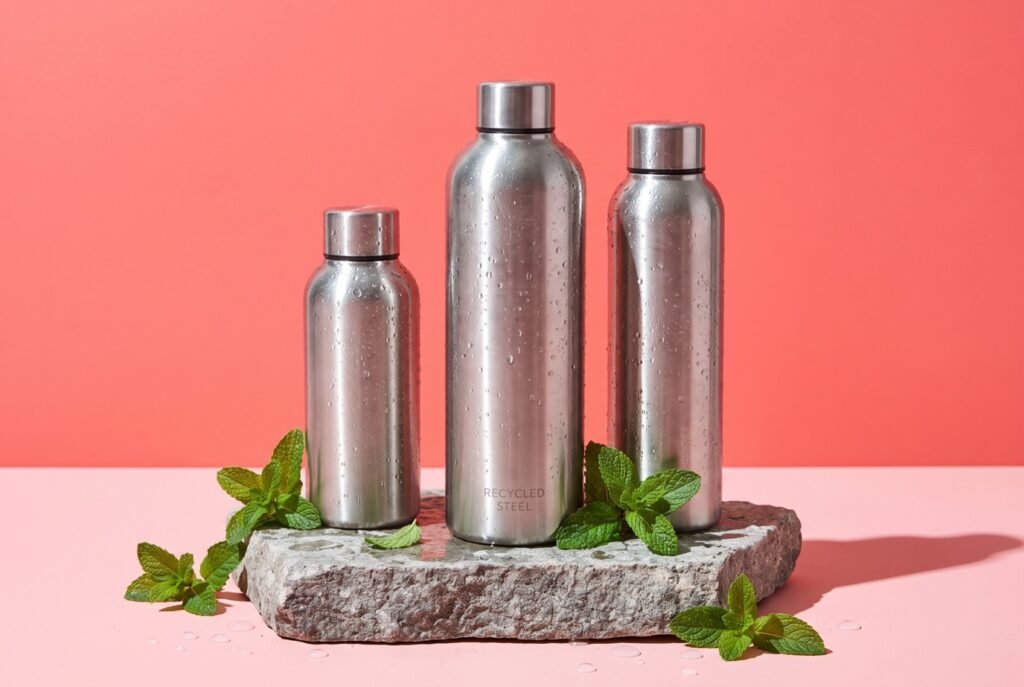
Quick verdict: Klean Kanteen more or less created the stainless steel bottle category in 2004, and it’s still the one to beat. It’s a B Corp at 110.9, Climate Neutral certified since 2020, and 95% of the line now uses certified 90% post-consumer recycled steel. One thing to know before you buy: it was acquired in March 2024, and almost every sustainable-brand directory still calls it family-owned. Our rating: 4.1 out of 5.
Who they are
Robert Seals launched the first Klean Kanteen in 2004. A lightweight steel bottle, sold as an alternative to plastic back when that was an odd thing to want. In 2005 he handed it to the Cresswell family, and Jeff Cresswell and Michelle Kalberer ran it as co-owners from Chico, California for the best part of two decades.
That changed in March 2024, when Think Better Group acquired the company in partnership with the ABN AMRO Sustainable Impact Fund, an Amsterdam-based institutional impact fund. Think Better Group is a holding group for sustainable brands, and its other companies include Ecoriginals nappies, Colonna Coffee and Minor Figures.
We’re flagging that prominently because nobody else is. Every competitor directory we checked still describes Klean Kanteen as family- and employee-owned, and so does a fair amount of the brand’s own older copy. Think Better Group is a mission-aligned buyer rather than a conglomerate, and that’s a real distinction worth making. But it isn’t the same answer as independent, and the copy hasn’t caught up.
What they get right
- B Corp certification at 110.9, held since September 2012 and still verifying after the acquisition.
- Climate Neutral certification since 2020, current through 2025 and now issued as the Climate Label. It requires annual emissions measurement and a published reduction plan.
- Certified 90% post-consumer recycled steel across 95% of the range. This is the substantial one. Recycled content in steel is easy to claim and hard to certify, and the switch cut their raw material emissions by 35% in 2022 on their own accounting. Post-consumer, not offcuts.
- They publish the math, not just the headline. The emissions comparison is broken out rather than asserted, which is unusual in a category that mostly sells colors.
- The product is close to permanent. Steel doesn’t leach. It doesn’t hold flavor, and it survives being dropped. This is the swap where “buy it once” is realistic rather than aspirational.
Where they fall short
The ownership change is the main thing, and it costs them half a point on our second criterion. Not because Think Better Group looks bad, but because “family-owned” is doing marketing work that stopped being accurate two years ago.
The certification list also stops at the company level. B Corp and Climate Neutral cover how the business runs and what it emits. Neither certifies the manufacturing conditions, and there’s no published factory list, so the supply chain rests on the brand’s own reporting.
Steel bottles sweat. They dent, and they conduct heat unless you pay for the insulated version. And the caps are a maze: loop, twist, sport, café, each sold separately, each fitting some bottles and not others.
What they sell and what it costs
Bottles, insulated tumblers, food canisters, cups and kids’ gear. A 12oz TKWide with a loop cap is $19.95, an 18oz Classic with a sport cap $19.95, a 16oz Rise Tumbler $24.95, and a 12oz TKWide with a café cap $30.95. Kids’ sets run $39.95 to $74.95.
That’s normal money for a good steel bottle. Not a premium, which is the point. The cost per year of ownership is where this brand wins, assuming you don’t lose it.
Who it’s actually for
Anyone replacing plastic water bottles once and not thinking about it again, and anyone who wants the recycled-content claim to mean something specific. It’s the safest gift in this category too. The sizes suit almost everyone.
If you want a brand that’s still independently owned, this stopped being that in 2024, and it’s worth knowing before you choose it for that reason.
Deals and discounts
No affiliate program on our side, so nothing on this page earns us anything.
Related reading
- Zero-Waste Kitchen Swaps Worth the Money
- 8 Zero-Waste Home Swaps Worth the Money
- The Greenwashing Guide
Frequently asked questions
Has Klean Kanteen been sold?
Yes, in March 2024. Think Better Group bought it alongside the ABN AMRO Sustainable Impact Fund. Before that it was owned by the Cresswell family and employees. Most sustainable-brand directories, and some of the brand’s own older material, still describe it as family-owned.
Is Klean Kanteen still a B Corp after the acquisition?
Yes. It’s listed in B Lab’s directory at 110.9, certified since September 2012, and the listing survived the change of ownership. We checked the directory rather than the badge on their site.
What does “90% recycled steel” actually mean here?
It means certified 90% post-consumer recycled 18/8 stainless steel, used across 95% of the product line. Post-consumer is the meaningful part: the steel came from things people already used and threw away, not from factory offcuts, which is what “recycled” often quietly means.
Are Klean Kanteen bottles worth the price?
For most people, yes. A bottle is $20 to $31 depending on size and cap, which is ordinary for good stainless steel, and the thing lasts for years. The real cost question is whether you’ll keep track of it.
Do I need the insulated version?
Only if you want cold drinks to stay cold or hot drinks to stay hot. The single-wall bottles are lighter and cheaper, but they sweat in warm weather and get uncomfortably hot to hold if you fill them with tea. Buy the insulated one if it’s going in a bag all day.