Nickel in Jewelry: Europe Limits It, America Doesn’t
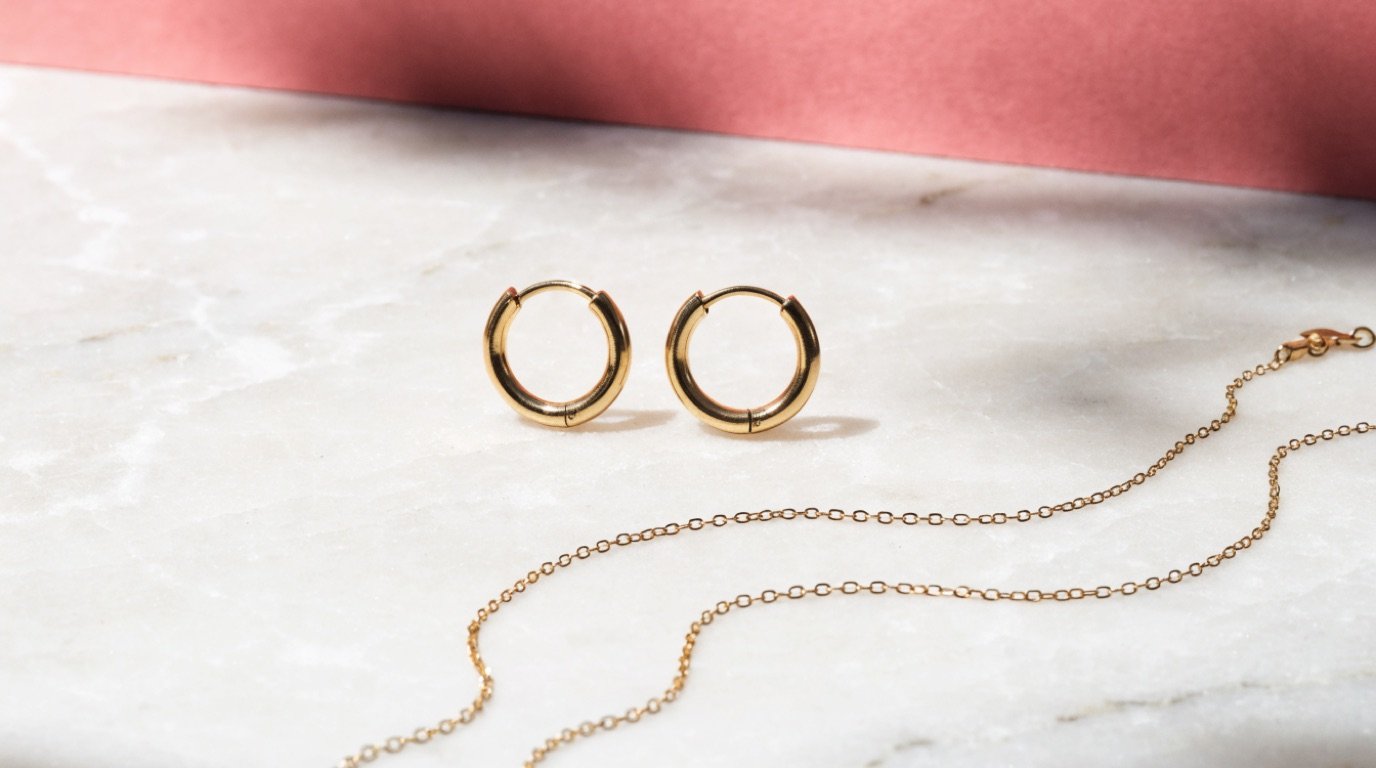
Nickel in jewelry is the reason a lot of people think they have sensitive skin when what they actually have is a specific, testable allergy to one metal.
It’s the most common contact allergen in the world. Estimates put reactivity at around one in ten women and a smaller share of men, driven historically by earrings, since piercing puts metal through broken skin, which is an efficient way to become sensitized.
And once you are, it’s permanent. Nickel allergy doesn’t fade.
Europe caps it. The US doesn’t.
The EU restricts how much nickel an item in prolonged contact with skin may release, under REACH. The limit is set as a release rate rather than a content limit, which is the right way to write it: what matters is how much migrates into your skin, not how much sits locked in the alloy. For items inserted into pierced ears the limit is tighter still.
That rule has been in force in some form since the 1990s, and it measurably reduced new cases of nickel allergy in countries that adopted it early.
The United States has no equivalent federal limit. A pair of earrings sold in an American store can release as much nickel as its manufacturer likes, and nothing on the packaging has to disclose the alloy.
You’ll recognize the shape of this. It’s the same asymmetry as fragrance allergen labeling, where Europe now names more than 80 substances and the US names none: the hazard is well characterized, the fix is uncontroversial, and one market acted.
“Hypoallergenic” is not a thing
There’s no legal definition of hypoallergenic for jewelry. No standard, no testing requirement, no body checking it. A brand can print it because the piece is nickel-free, or because it’s plated, or because it seemed like a good idea.
“Surgical steel” is similarly misleading. Most surgical stainless steel contains nickel, sometimes a lot of it. What makes it usable in surgery is that the nickel is bound tightly in the alloy and releases slowly, which is not the same as absent, and for a sensitized person slow release is still release.
Plating is the other trap. A nickel-free plated finish over a nickel-containing base works right up until the plating wears through, which on an everyday ring or a pair of earrings is a matter of months. The reaction that appears a year after purchase is usually this.
What’s actually safe
Titanium and niobium are the reliable answers, especially for piercings. Both are inert, neither contains nickel, and implant-grade titanium is what a decent piercer uses for initial jewelry.
Platinum and high-karat gold are safe in themselves, with a caveat worth knowing: white gold is usually alloyed with nickel to achieve the color, and often rhodium plated on top. When that plating wears, the nickel is right there. Palladium white gold is the alternative and costs more.
Solid sterling silver is generally fine, though cheaper silver alloys sometimes include nickel.
The practical test on any piece: ask what it’s made of, in full, including the base metal under any plating. A brand that can answer is a brand worth buying from, and a brand that says “hypoallergenic” and stops has told you nothing. That’s how the picks in the best sustainable jewelry brands are assessed, alongside what the metal itself is and where the stones came from. Every brand there has a scored profile in our brand directory.
If you react and don’t know to what, a dermatologist’s patch test settles it. Nickel is on every standard panel, and knowing turns a vague avoidance into a short list of metals you can wear for life.
Frequently asked questions
Is nickel in jewelry regulated in the US?
No. There’s no federal limit on nickel release from jewelry sold in the United States, and no requirement to disclose the alloy. The EU restricts nickel release from items in prolonged skin contact under REACH, with a tighter limit for jewelry inserted into pierced ears.
Does “hypoallergenic” mean nickel-free?
No. The term has no legal definition or testing requirement for jewelry, so any brand can use it for any reason. Ask for the actual composition instead, including the base metal beneath any plating.
Is surgical steel safe for nickel allergy?
Often not. Most surgical stainless steel contains nickel; what makes it suitable for surgical use is that the nickel is tightly bound and releases slowly, rather than being absent. For someone already sensitized, slow release can still trigger a reaction.
What metals are safe if I react to nickel?
Titanium and niobium are the most reliable, and implant-grade titanium is the standard for fresh piercings. Platinum and high-karat yellow gold are generally safe. Be careful with white gold, which is commonly alloyed with nickel and rhodium plated, so it becomes a problem once the plating wears.
Related reading
The rest of this series: recycled gold versus Fairmined and lab-grown versus mined diamonds. For vetted picks, see the best sustainable jewelry brands. The same regulatory asymmetry runs through perfume, covered in fragrance allergens.
Sources: European Chemicals Agency, REACH restriction on nickel, Annex XVII entry 27. American Academy of Dermatology, Nickel allergy: how to avoid exposure and reduce symptoms. US Food and Drug Administration, “Hypoallergenic” cosmetics, on the absence of any federal definition of the term.