
Kotn
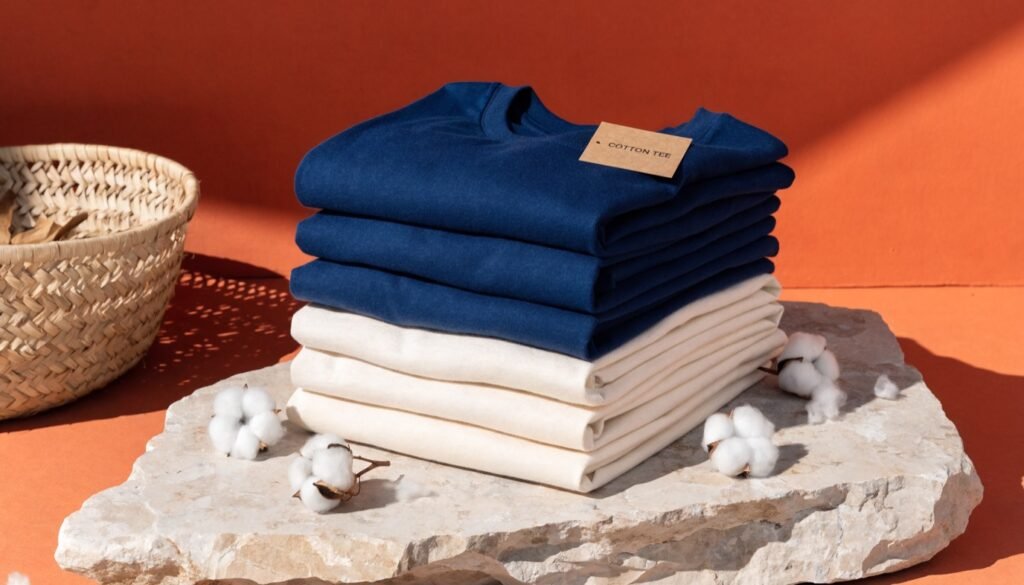
Quick verdict: Kotn buys its cotton straight from smallholder farms in Egypt’s Nile Delta, and it can tell you which ones. That’s unusual enough in apparel to carry a lot of weight, and B Lab has been certifying the company since 2017. What it doesn’t have is an organic certification on the cotton, or much published data on water and emissions. The clothes are good. The gap between the social story and the environmental one is wide. Our rating: 3.9 out of 5.
Who they are
Rami Helali, Benjamin Sehl and Mackenzie Yeates started Kotn in 2015 after Helali spent six months with cotton farmers in the Nile Delta. The company is based in Toronto and sells basics: tees, sweatshirts, shirting, dresses, knitwear and a growing home line.
All three founders still sit on the board, alongside two representatives of outside investors. So it’s founder-led and venture-backed, which is an 0.8 on ownership here rather than a 1.0: the founders run it today, and an exit would change who answers for it.
What they get right
The supply chain is the product, more than the clothes are.
- Direct trade with the farms. Kotn works with 5,127 cotton farms in Egypt and claims traceability from farm to finished garment. Almost no apparel brand at this price can say where the fiber came from.
- B Corp since September 2017, with an overall B Impact Score of 102.6 against a median of 50.9 for businesses that complete the assessment. Its Community score, 30.0, is where it really pulls ahead.
- It publishes the social numbers. Wages paid, communities reached, and the schools: 25 primary schools funded and 21 built to date.
- OEKO-TEX certified dyes, so the chemistry on the finished garment has been screened even though the fiber hasn’t been certified organic.
The schools aren’t a donation line item bolted onto a clothing company. They’re in the villages Kotn buys from, which is a different and more defensible thing.
Where they fall short
Here’s the part the brand’s own marketing skips. Look at Kotn’s B Corp scorecard by section and the Environment numbers are weak: 0.9 for environmental management, 1.6 for air and climate, 1.7 for water. Cotton is a thirsty crop grown in a water-stressed country. Those are the numbers you’d most want to see, and they’re the lowest on the card.
The cotton also isn’t certified organic. Third-party write-ups disagree about this, some claiming GOTS certification, so we checked Kotn’s own materials page, which makes no GOTS claim anywhere. It cites OEKO-TEX dyes and natural fiber. Direct trade and organic are different claims, and only one of them has an auditor attached.
Its B Impact Score has also fallen, from 121.3 in 2021 to 102.6 today. Still comfortably certified, still well above the bar, but moving the wrong way. And the “fourth-highest score in North American apparel” line that circulates in press coverage traces back to the older number.
What they sell, and what it costs
Everyday basics for men and women, plus a home range. A shrunken tee is $48, a superfine crew about the same, a rugby shirt $138, a midi skirt $148.
That’s roughly triple a fast fashion tee and about half a designer one. What the premium buys is traceable fiber and a wage floor at the farm, not a technical fabric. Judge it as a basics brand you keep for years, because that’s the only math where it works.
Who it’s actually for
Anyone building a basics wardrobe who cares more about the people in the supply chain than the carbon number. If your priority is knowing that the person who grew and sewed your shirt was paid properly, Kotn gives you more to check than almost anyone at this price.
If your priority is certified organic fiber, look at Pact or Coyuchi instead. Kotn hasn’t made that claim and we’re not going to make it for them.
Deals and discounts
No affiliate program on our side, so nothing here earns us anything. Kotn offers 15% off a first order through its email signup, and ships carbon neutral free above $100.
Frequently asked questions
Is Kotn’s cotton organic?
No, or at least not certifiably. Kotn’s own materials page makes no GOTS claim, and GOTS is the standard that would verify it. The cotton is Egyptian Giza bought directly from smallholder farms, which is a traceability claim rather than an organic one. The dyes are OEKO-TEX certified. Some third-party reviews state Kotn is GOTS certified, and we couldn’t find that supported by the brand.
Is Kotn a certified B Corp?
Yes, since September 2017. Its current overall B Impact Score is 102.6, against 80 to qualify and a 50.9 median for businesses completing the assessment. Worth knowing that the score has come down from 121.3 in 2021, and that its Environment sub-scores are the weakest part of the card.
Where are Kotn clothes made?
Egypt. The cotton is grown by smallholder farms in the Nile Delta and the garments are made in facilities Kotn works with directly, which is how the brand can claim traceability from farm to hanger. The company operates in Canada and Egypt and is headquartered in Toronto.
Is Kotn worth the price?
For basics you’ll wear for years, yes. A $48 tee is around triple a fast fashion equivalent, and what you’re buying is a traceable supply chain and a paid farm wage rather than a technical fabric. If you replace basics every season, the math stops working.