
Proclaim
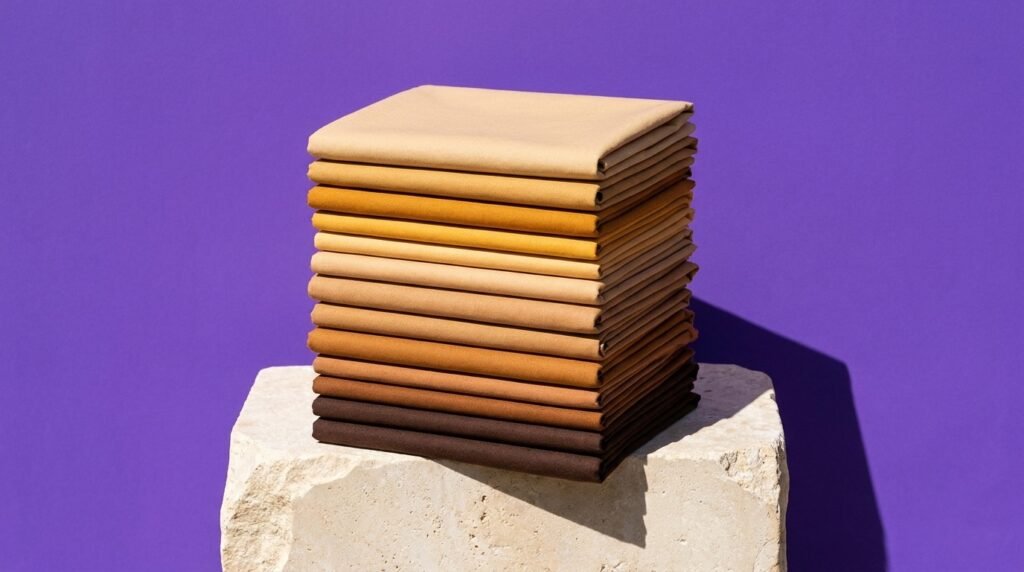
Quick verdict: Shobha Philips started Proclaim in 2017 because she could not buy nude underwear that matched her skin. That’s the whole origin, and it’s a better reason to start a company than most. The pieces are sewn in Los Angeles in small runs from TENCEL and recycled fiber, the shade range covers what “nude” should always have meant, and the company is independent and woman-owned. The certification behind the materials is thin. Our rating: 3.8 out of 5.
Who they are
Philips, an Indian-American founder with no fashion background, launched Proclaim in Los Angeles in 2017 after the nude underwear on offer came in one shade that suited a narrow slice of people. The brand builds its shade range around a genuine spread of skin tones, and the production stayed local: small runs, LA factories, no offshore volume manufacturing.
It is independent and woman-owned, with no outside parent.
What they get right
The shade range is the product, and it addresses a real gap rather than a manufactured one. For a lot of customers this is the first time nude underwear has meant their nude.
Made in Los Angeles, which means labor conditions sit under US law and the supply chain is short enough for the founder to know the factories. That’s a different kind of assurance from a certificate, and for a company this size it’s a credible one.
TENCEL lyocell and recycled fiber, so the materials are lower-impact than conventional synthetics even without a certification stamp on them.
Small-batch production, which avoids the overproduction that drives most fashion waste. Making less is the part of sustainable fashion nobody markets.
Where they fall short
No third-party certification, and that’s why this sits at 3.8 rather than higher. There’s no GOTS, no OEKO-TEX, no Fair Trade mark. The TENCEL is a certified fiber in itself, but the garments and the factories aren’t independently audited, so you’re trusting a small brand’s account. That’s reasonable at this scale and it is still less than Subset or Pact give you.
The range is narrow, mostly underwear and bralettes, so it won’t cover a drawer the way a bigger basics brand will. Prices sit mid-tier, above Pact for a more focused offering. And recycled polyester and nylon still shed microplastic in the wash, which is true of every recycled synthetic.
What they sell and what it costs
Underwear, bralettes, bodysuits and a few basics. Underwear typically runs $18 to $28 and bralettes higher, which is above Pact and below the boutique labels.
Who it’s actually for
Anyone who has never been able to buy nude underwear that actually disappears under clothes, and anyone who wants US-made in small runs from a founder-owned company. On the shade question it’s the strongest answer in this directory.
If you want the full certification stack, Subset. If budget is the constraint, Pact.
Deals and discounts
No affiliate program on our side, so nothing here earns us anything.
Related reading
Frequently asked questions
What makes Proclaim’s nude range different?
It covers a real spread of skin tones rather than the single beige that the word “nude” has meant in underwear for decades. That was the reason the company was founded, and it’s still the clearest thing it does better than anyone else here.
Where is Proclaim made?
In Los Angeles, in small production runs. That puts the labor under US law and keeps the supply chain short enough for a founder to actually know her factories, which is a different kind of assurance from a certificate but a real one at this scale.
Is Proclaim certified sustainable?
Not by a third party, and we’d rather be direct about it. The materials are TENCEL and recycled fiber, both lower-impact than conventional synthetics, and TENCEL is a certified fiber in its own right. But there’s no GOTS, OEKO-TEX or Fair Trade certification on the garments, so the sustainability case rests on materials and local production rather than an audit.
Is Proclaim size-inclusive?
Reasonably, though the range is more focused than a large basics brand’s. The inclusivity that sets it apart is in skin tone rather than in the size spread, where WAMA and Girlfriend Collective go further.