
Onyx Coffee Lab
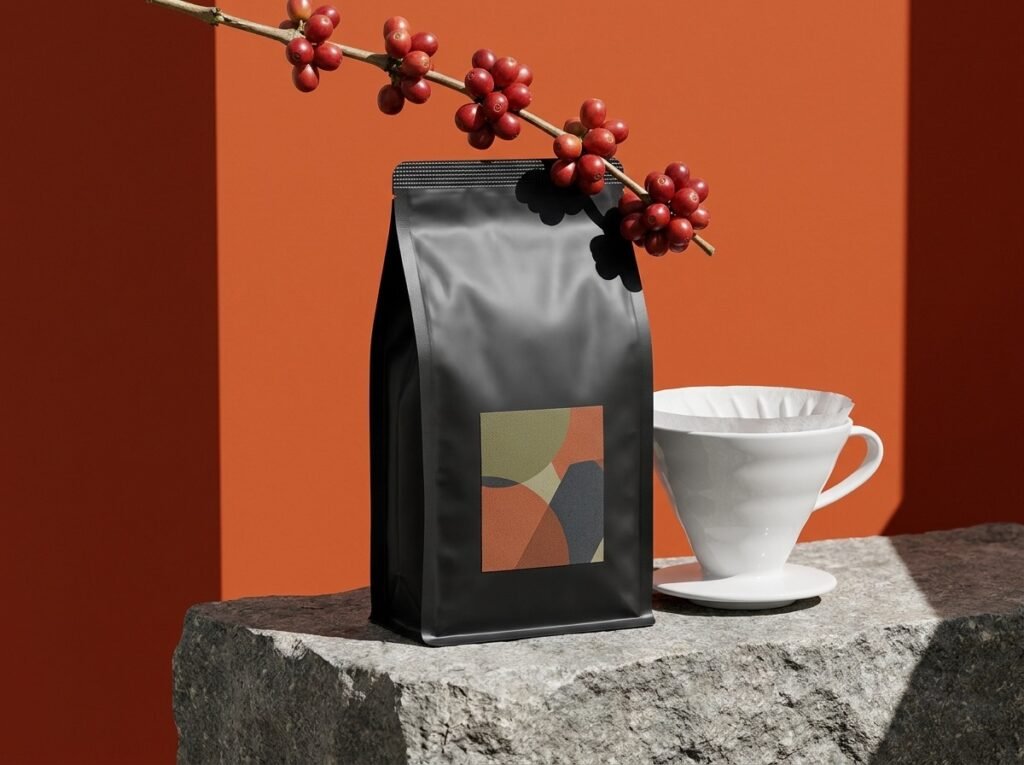
Quick verdict: Onyx is the roaster other roasters cite. It has won more American specialty competitions than almost anyone, it publishes what it paid producers, and it’s owned outright by the two people who started it in a Northwest Arkansas garage. It’s also expensive and aimed squarely at people who care about brew method. Our rating: 4.5 out of 5.
Who they are
Jon and Andrea Allen were baristas at a local Arkansas coffee shop before they started Onyx in Springdale in 2012. Jon went to Central and South America and East Africa to learn the sourcing side, Andrea came up through retail coffee, and between them they built what’s now a roastery, several cafés and a national e-commerce business out of Rogers, Arkansas.
The ownership answer is unusually clean. The Allens have said publicly that they have no investment partners, which they credit for not having to chase fast profit. In a category where most brands of this profile have taken money, that’s the whole difference.
What they get right
The coffee is the best on our list, and that isn’t a soft judgment. Onyx has won the American roasting and barista competitions repeatedly and placed at the top of international shop rankings. Our roundup carries the article’s verdict across unchanged, and on the cup itself this is a full mark.
Sourcing transparency that goes past the certification. Onyx publishes producer names, farm information and what it paid, which is a level of detail no certification requires. Fair Trade tells you a floor price was met; this tells you the actual number.
B Corp certified, listed under its legal name Anonymous Coffee Roasters LLC, with a score near the top of the range for a company its size.
Where they fall short
It’s expensive, no way around it. Bags run from about $22 up to $86 for the rare lots. That’s the specialty market rather than a markup, and it’s still real money for a daily habit. Grounds for Change delivers certified organic fair trade coffee for around $20.
No organic certification across the line. Onyx sources on quality and relationship rather than certification, which is a defensible specialty position and does mean the certification stack is thinner than the coffee’s reputation implies. B Corp covers the company; it doesn’t cover the beans.
The lineup assumes you’re interested. Rotating micro-lots, origin notes, brew guidance. Wonderful if that’s the hobby, and a lot of decisions if you just want a bag of coffee that shows up every month.
What they sell and what it costs
Single origins, blends, decaf and competition lots, plus subscriptions and brewing gear. Bags run roughly $22 to $86.
Who it’s actually for
People who care what’s in the cup as much as what’s on the bag, and who’d rather read a producer’s name than a certification mark. If cost or certification is the priority, Grounds for Change does the certified version for less than half.
Deals and discounts
No affiliate program on our side, so nothing here earns us anything. Subscriptions are the cheaper route.
Related reading
- The Best Ethical and Sustainable Coffee Brands
- Fair Trade vs Direct Trade Coffee: What’s the Difference?
- Mold and Mycotoxins in Coffee: What’s Real
Frequently asked questions
Is Onyx Coffee Lab organic?
Not certified across the line. Onyx buys on quality and long-term producer relationships rather than on certification, and publishes what it paid instead. If certified organic is your requirement, Grounds for Change and Purity Coffee both hold it.
Who owns Onyx Coffee Lab?
Jon and Andrea Allen, who founded it in 2012. They’ve said publicly that the company has no investment partners, so there’s no fund or parent company in the picture.
Is Onyx a B Corp?
Yes, certified under its legal name Anonymous Coffee Roasters LLC. That’s worth knowing if you search B Lab’s directory for “Onyx” and come up empty, because the register lists companies rather than brand names.
Why is Onyx so expensive?
Specialty-grade coffee bought at prices above the fair trade floor, in small lots, roasted in small batches. The competition lots at the top of the range are rare by definition. It’s a real cost rather than a positioning premium, but it’s still two to four times a certified supermarket organic.