Mold in Coffee: Is ‘Mycotoxin-Free’ Worth Paying For?
There’s a corner of the coffee market built on a single idea: that the coffee you’re drinking is quietly full of mold toxins, and that paying more for a tested alternative will fix how you feel.
It’s a good story. It explains the afternoon crash, the jitters, the headache, and it offers a purchase as the remedy.
We went looking for what supports it, because a brand in our own coffee roundup tests for exactly this. What we found is a real phenomenon, tightly regulated, mostly handled by the roasting process, and dramatically oversold.
What’s actually being measured
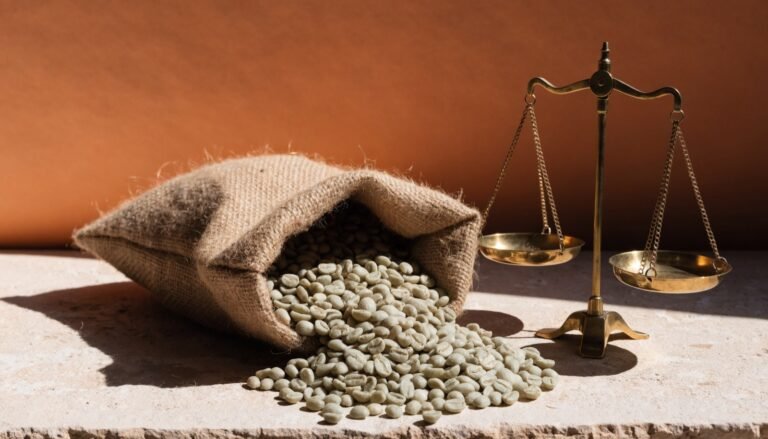
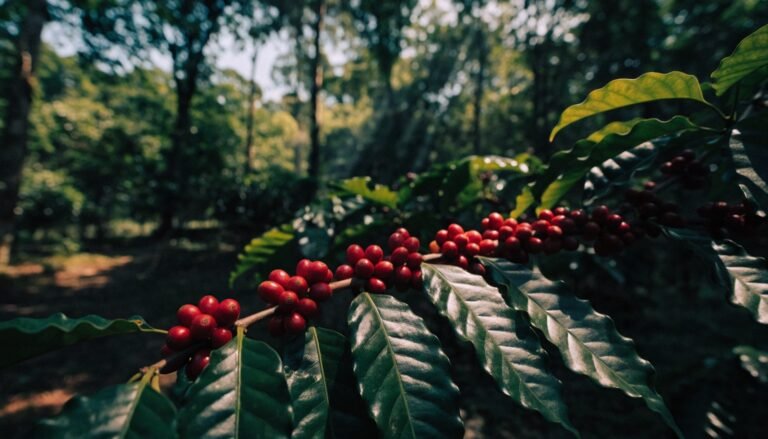
The compound at the center is ochratoxin A, or OTA, produced by certain molds that can grow on coffee cherries during drying and storage, above all when they’re dried badly or stored damp.
It’s real. It’s a recognized contaminant, and at high chronic doses it’s a kidney toxin. Nobody disputes any of that.
Which is why it’s regulated. The European Union sets a maximum of 3 micrograms per kilogram for roasted coffee, and it’s the only mycotoxin with an explicit EU limit in roasted coffee at all. Interestingly, no legal maximum applies to green coffee in the EU or UK: the limits attach after roasting, which is where the number that matters is set.
Why the scare doesn’t survive contact with the data
Three things undercut the marketing, and they compound.
Roasting destroys most of it. Studies find roasting reduces ochratoxin A by somewhere between 69% and 96%. The step every coffee goes through before you buy it is also the step that removes most of the contaminant.
Commercial coffee sits well under the limits. A 2015 analysis in Food Control tested 103 commercial coffee samples and found five exceeding the EU ochratoxin limits then in force. That’s a real finding worth reporting rather than burying, and it also means roughly 95% were compliant. Levels in commercially sold coffee, and in specialty coffee above all, are typically far below the thresholds.
“Mold-free” is not a certification. No regulator or third party issues one. There is no standard a brand has to meet to print it, no auditor, and no defined testing protocol behind the phrase. It’s a marketing term, which puts it in exactly the category this site spends most of its time warning about.
The widely repeated claim that most coffee carries dangerous mold levels does not come from the testing literature. It comes from companies selling the alternative.
So is testing worthless?
No, and this is where we’d rather be fair than punchy.
A roaster that tests batches is doing real quality control, and testing is a legitimate thing to invest in. Purity Coffee, which appears in our roundup of ethical coffee brands, tests for mycotoxins along with pesticide residue, and there’s nothing dishonest about publishing that.
The distinction is between “we test, here are our results” and “your normal coffee is poisoning you”. The first is quality control. The second is a health claim the evidence doesn’t carry.
If you want to reduce your exposure without paying a premium for a scare, the practical levers are ordinary: buy whole beans from roasters with good sourcing and storage, use them within a few weeks, keep them somewhere dry, and don’t leave damp grounds sitting in the machine. Specialty coffee is generally better processed and better stored than commodity coffee, which handles the problem as a byproduct of buying decent coffee.
And if a particular coffee really does make you feel worse, that’s worth taking seriously. Caffeine dose, acidity, roast level and what you put in it are all more likely explanations than mycotoxins, and all easier to test on yourself.
Frequently asked questions
Is ochratoxin A dangerous?
At sustained high exposure it’s a kidney toxin and is classified as a possible human carcinogen, which is why regulators set limits for it. The question is dose. The limits exist to keep intake far below levels of concern, and commercial coffee generally sits well under them, especially after roasting.
Does decaf or dark roast have less mold toxin?
Longer, darker roasting degrades more ochratoxin A, so a dark roast will typically carry less than a light one. It isn’t a reason to change your roast preference, since the amounts involved are small either way.
Is instant coffee worse for mycotoxins?
Soluble coffee is regulated separately and to a stricter limit in the EU, precisely because it’s a concentrated product. It isn’t an unregulated blind spot.
Should I buy a coffee that advertises mycotoxin testing?
Only if you like the coffee. Testing signals a roaster paying attention to quality, which is a decent proxy for care generally. It doesn’t mean untested coffee is unsafe, and it shouldn’t be the reason you pick a bag. Sourcing, freshness and how it tastes are better reasons.
Related reading
The rest of what’s behind the bag: fair trade versus direct trade, what shade-grown actually means, and pesticides in coffee and who they really affect. For roasters we’d buy from, see the best ethical coffee brands.