Pesticides in Coffee: The Case for Organic Isn’t About Your Cup
Coffee is grown in tropical countries with year-round pests, on plants that are valuable enough to protect. Conventional production leans on synthetic pesticides, herbicides and fertilizers to do it, and on some estates the spraying is heavy.
The obvious next thought is that you’re drinking the residue. That’s the framing most “clean coffee” marketing runs on.
It’s the weakest part of the argument, and it crowds out a much stronger one.
Why little of it reaches your cup
Three filters sit between the field and your mug.
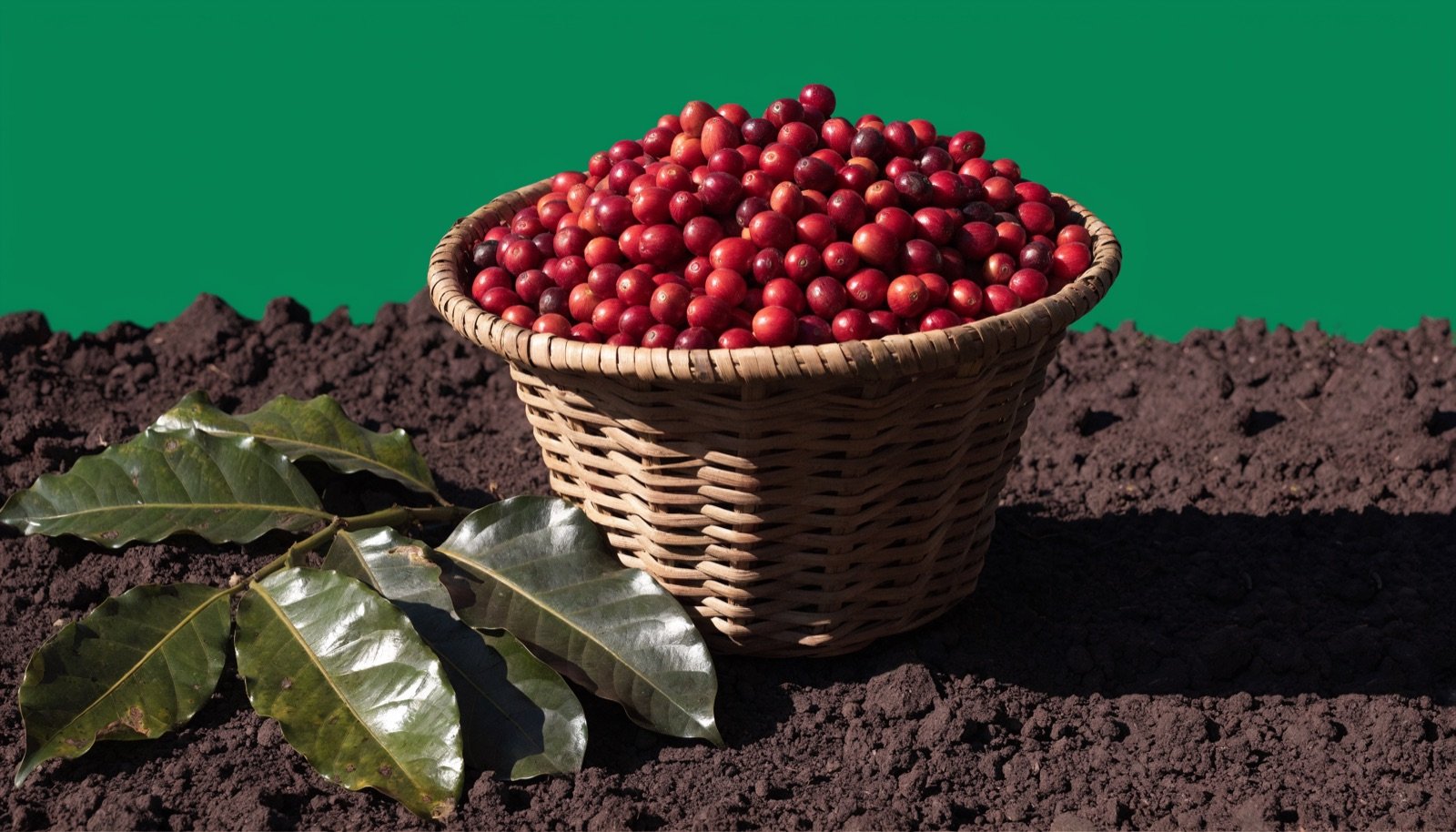
The bean is inside a fruit. Coffee cherries are picked, and the seed is extracted, washed or dried, and hulled. A good deal of what’s sprayed on the outside never gets as far as the part you keep.
Then the beans are roasted at temperatures well over 200°C. Many pesticide residues degrade under that kind of heat, which is the same reason roasting removes most of the ochratoxin covered in our piece on mold and mycotoxins in coffee.
Then you brew with hot water and throw the grounds away, and many residues are not especially water-soluble.
Testing of brewed conventional coffee generally finds residues low or undetectable. This isn’t a fringe position; it’s why coffee rarely appears on the produce lists that rank contamination.
So if your reason for buying organic coffee is your own body, the evidence supports it less strongly than it supports, say, buying organic strawberries.
The argument that holds up
Now the part the marketing skips, because it isn’t about you.
The people spraying. Agricultural workers in coffee-producing countries handle these chemicals directly, often with limited protective equipment and limited regulatory enforcement. Some chemicals still in use in parts of the world are restricted or banned in the US and EU. The exposure that matters is occupational, and it’s concentrated on the people earning least in the supply chain.
The land. Synthetic inputs and full-sun monoculture go together. Heavy fertilizer use degrades soil structure over time, herbicides strip the ground cover that holds soil on slopes, and the whole system pushes toward the cleared plantations that displaced the shade canopy in the first place, as we cover in shade-grown coffee.
The water. Runoff from sprayed farms goes into the same watersheds the farming communities drink from.
Organic certification addresses all three. It prohibits synthetic pesticides and fertilizers at the farm, which protects the workers, the soil and the water, in that order of directness.
That is a better reason to buy organic coffee than residue in your cup, and it’s a reason that survives scrutiny.
What to buy
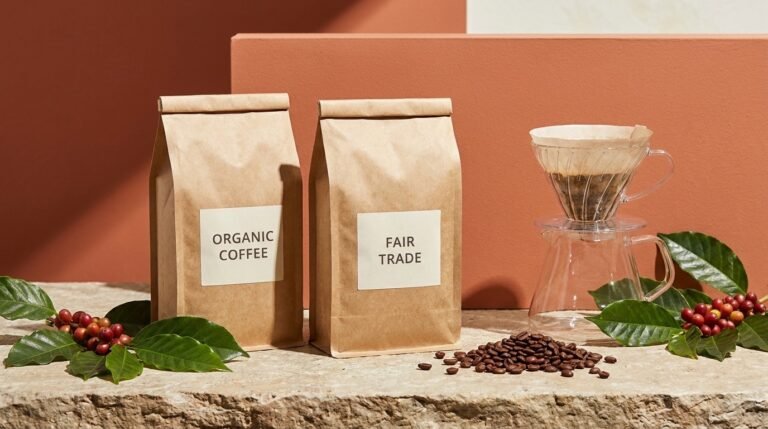
Organic certification is the reliable signal here, and unlike “clean” or “chemical-free” it means something specific and audited.
Better still is organic plus shade, which is what Smithsonian Bird Friendly requires as a pair. Better again is organic plus a sourcing model that pays enough for the farmer to afford the practice, which is where fair trade and direct trade come in.
Worth knowing: a lot of excellent smallholder coffee is grown with few or no synthetic inputs and carries no organic certification, because certification costs money the farmer doesn’t have. A roaster who knows its farms can tell you that. A brand printing “pesticide-free” with nothing behind it cannot. Every roaster in our ethical coffee roundup is specific about which case applies.
Frequently asked questions
Does conventional coffee contain pesticide residue in the cup?
Usually very little, and often none detectable. The seed is protected inside the cherry, roasting degrades many residues, and brewing leaves more behind in the grounds. The health case for organic coffee based on your own exposure is weak compared with the case based on farmworkers and land.
Is organic coffee worth the extra cost then?
We’d say yes, for reasons that aren’t about you. It protects the people applying chemicals in countries where enforcement is thin, it keeps the inputs out of local water, and it tends to accompany better soil and canopy practices. If you’re buying it purely to reduce what you ingest, you’re paying for the least well-supported benefit.
What about glyphosate in coffee?
Herbicides including glyphosate are used in some conventional coffee production for weed control between rows. Detection in brewed coffee is uncommon, and the exposure concern again falls hardest on applicators and on the surrounding watershed rather than on the drinker.
Does “single origin” or “specialty” mean fewer chemicals?
Not by itself. Those terms describe sourcing and cup quality, not agricultural inputs. There’s a loose correlation, since specialty buyers often work with farms doing careful work, but if the input question matters to you, look for organic certification or a roaster who will describe the farming practices directly.
Related reading
The rest of what’s behind the bag: fair trade versus direct trade, what shade-grown actually means, and whether mold in coffee is a real problem. For roasters we’d buy from, see the best ethical coffee brands.