Dioxin in Tampons: The Scare That the Industry Already Fixed
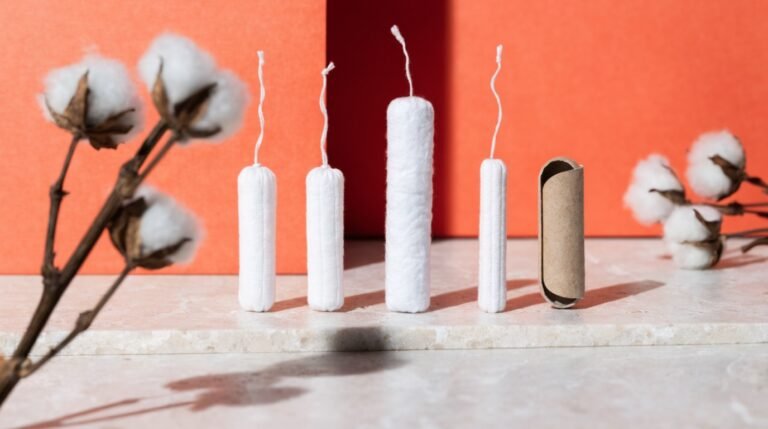
Dioxin in tampons is one of the most durable health scares of the last thirty years, and most of what circulates about it stopped being true a long time ago.
The original concern was real. Tampons were once bleached with elemental chlorine, a process that creates dioxins as a byproduct, and dioxins are nasty: persistent, accumulative, and classified as carcinogenic.
Then the industry changed the process. Properly. US manufacturers moved to elemental chlorine-free bleaching, which doesn’t produce dioxin. That happened decades ago, and it’s why the scare belongs to history rather than to your bathroom cabinet.
So why does testing still find traces
Because dioxins are in everything, and that’s the interesting part.
Dioxins are environmental contaminants produced by combustion, industry and waste incineration. Decades of that pollution left them distributed through air, soil and water worldwide. They’re in the food supply. By far the largest route of human exposure is diet, especially animal fat.
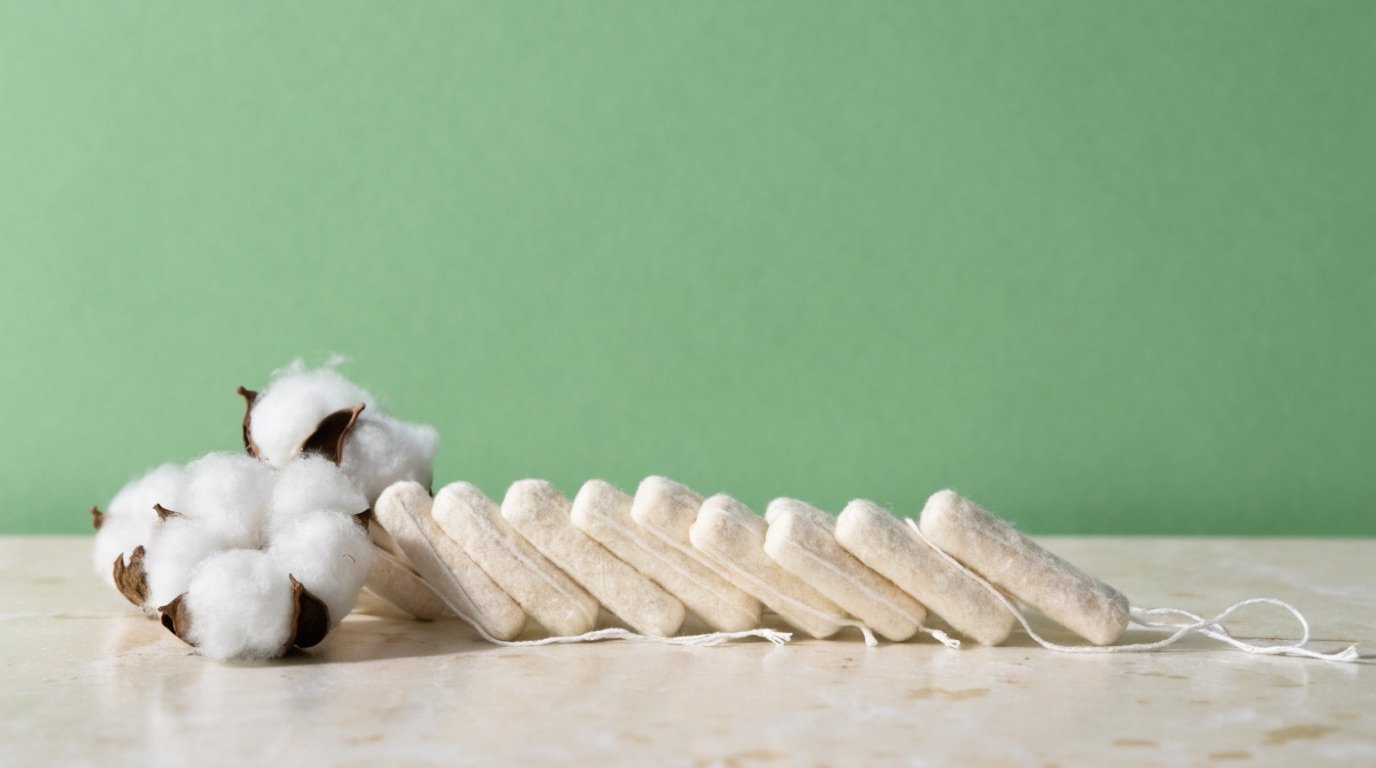
So a cotton plant grown outdoors picks up traces from the environment it grew in. Testing sensitive enough to find parts per trillion will find them in cotton, including organic cotton, because organic farming doesn’t change what’s in the rain.
So detection isn’t evidence of bleaching. It’s evidence the instrument works.
The FDA’s position has been that dioxin levels found in tampons are far below levels of concern, and that the exposure from tampons is negligible next to what people get from food. That’s a well-supported position and it hasn’t meaningfully changed.
Why I’d still rather say this out loud
Two reasons, and neither is “so stop worrying.”
First, because a site that only ever confirms fears isn’t useful. If we tell you every worry is justified, you have no way to tell which ones actually are, and the metals finding from 2024 is a live question that deserves more of your attention than a resolved one from the nineties.
Second, because the dioxin story gets used to sell things. “Dioxin-free” and “chlorine-free” appear on packaging as though they distinguish a product, when elemental chlorine-free processing is the industry norm in the US. It’s a true claim about a thing nobody’s competitor is doing either, which is a familiar move: the same shape as “chemical free” on a detergent.
That doesn’t make the brands using it dishonest. It makes the claim uninformative, and worth knowing not to pay extra for.
What’s actually worth checking instead
The open questions. Not the closed ones.
Whether the product publishes a full ingredient list, since most states don’t require it and rayon, adhesives, fragrance and plastic all end up in these products without appearing anywhere. That’s covered in what’s actually in a pad or tampon.
Whether the cotton is organic. That addresses pesticide residue rather than dioxin, and it’s a real if modest benefit.
And whether you want to be using disposables at all, since a cup or disc sidesteps every agricultural and processing question in one purchase.
The picks in the best organic period products are sorted on disclosure and materials rather than on which outdated scare a brand chooses to advertise against. Every brand there has a scored profile in our brand directory.
Frequently asked questions
Are tampons still bleached with chlorine?
Not with elemental chlorine, which was the process that created dioxin as a byproduct. US manufacturers moved to elemental chlorine-free bleaching decades ago. That’s why “chlorine-free” on a box describes the industry standard rather than a point of difference.
Why is dioxin still detected in tampons then?
Because dioxins are widespread environmental contaminants from combustion and industry, present in air, soil and water worldwide. Cotton grown outdoors picks up trace amounts regardless of how it’s processed, which is why organic cotton tests positive too. Detection reflects environmental background, not the manufacturing.
Is the dioxin in tampons dangerous?
The FDA’s assessment is that levels found are far below those of concern, and that tampon exposure is negligible compared with dietary exposure, which accounts for the overwhelming majority of human dioxin intake, mostly through animal fats.
Does “dioxin-free” on a box mean anything?
Very little. Since elemental chlorine bleaching is no longer used in US manufacturing, the claim describes something true of essentially all products in the category. It’s not misleading exactly, but it isn’t a reason to choose one brand over another.
Related reading
The identical scare-then-fix pattern runs through diaper pulp, which we pulled apart in chlorine-free versus totally chlorine-free.
The rest of this series: metals in tampons and the 2024 study and what’s actually in a pad or tampon. For vetted picks, see the best organic period products. Our greenwashing guide covers claims that are true but tell you nothing.
Sources: US Food and Drug Administration, The facts on tampons, and how to use them safely. US Environmental Protection Agency, Dioxins and furans. National Center for Health Research, Tampon safety.