Metals in Tampons: What the 2024 Study Found, and What It Didn’t
Metals in tampons went from a fringe worry to an FDA investigation in the space of a few months in 2024, and the study that did it is worth understanding properly rather than through headlines.
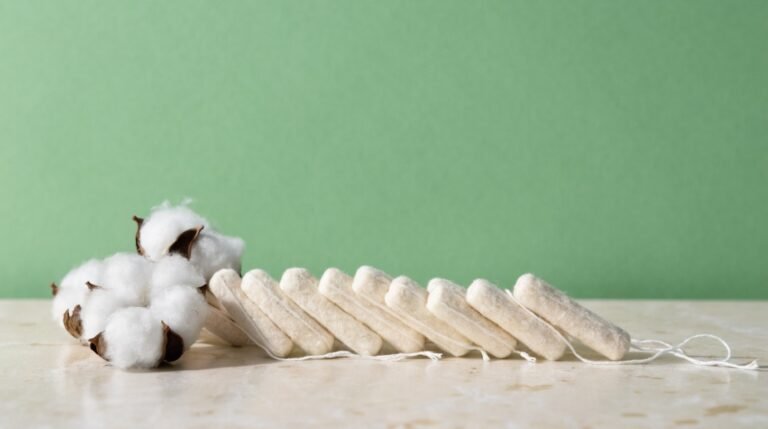
Researchers tested 30 tampons spanning 14 brands and 18 product lines. They looked for 16 metals. They detected all 16, and lead in every single tampon tested.
Organic and non-organic both. No brand came out clean.
What the study actually measured
This is the part that got lost, and it changes how you should read the result.
The researchers measured what was in the tampons. They did not measure how much, if any, crosses the vaginal wall into the body.
That distinction is the whole ballgame. Vaginal tissue is more absorptive than skin, which is the reason this is worth studying at all, but “present in the material” and “absorbed into you” are different claims, and that study only established the first.
The authors said so themselves. It was framed as a first look establishing that the metals are there, with the uptake question explicitly left open. The FDA’s response was to commission exactly that follow-up work, alongside an independent literature review.
That work has since landed. In July 2026 the FDA published its own lab testing and a toxicological risk assessment in the journal Toxicological Sciences, and what they found was that trace metals are present but the amount released during use is too small to cause harm. That lines up with the independent systematic literature review the agency had commissioned earlier.
So the honest summary: a real finding, taken seriously by the regulator, and the follow-up work came back reassuring.
Where the metals come from
Not from anybody adding them.
Cotton and rayon are agricultural and industrial materials, and metals occur in soil, water and processing equipment. A plant takes up what’s in the ground it grew in. This is the same mechanism behind heavy metals in protein powder, and it’s why organic tested no better here: organic certification governs what gets sprayed on a crop, not what was already in the dirt.
Lead specifically is everywhere in the environment after a century of leaded fuel and industry, at levels that show up in almost anything grown outdoors if you look hard enough with a sensitive enough instrument.
That isn’t a reason to shrug. It’s a reason to be precise about what kind of problem this is: a contamination-and-supply-chain problem rather than an ingredients problem.
How worried to actually be
Less than the coverage implied, and not zero.
There’s no established safe level of lead exposure, which is true and gets quoted often. What that statement means is that regulators don’t set a threshold below which lead is considered harmless, not that any detectable amount causes proven harm.
Against that: the quantities involved are small, the FDA’s own testing put the amount released during use below the level that would do harm, and menstrual products are a modest contributor next to food, water and dust for most people. Nobody has shown a health outcome linked to metals in tampons.
What makes it worth attention anyway is the exposure pattern, which is the argument that recurs across this whole site. Regular use over decades, on absorptive tissue, with no ingredient disclosure requirement in most of the country. Small exposures repeated for thirty years are the ones worth asking questions about, even when a given answer comes back clean.
What I’d actually do
Nothing dramatic, and I’d rather say that than manufacture urgency in a category where people already get told to feel bad about their bodies.
Organic won’t solve this specific problem, which is worth knowing before you pay extra expecting it to. It solves the pesticide question, not the metals one.
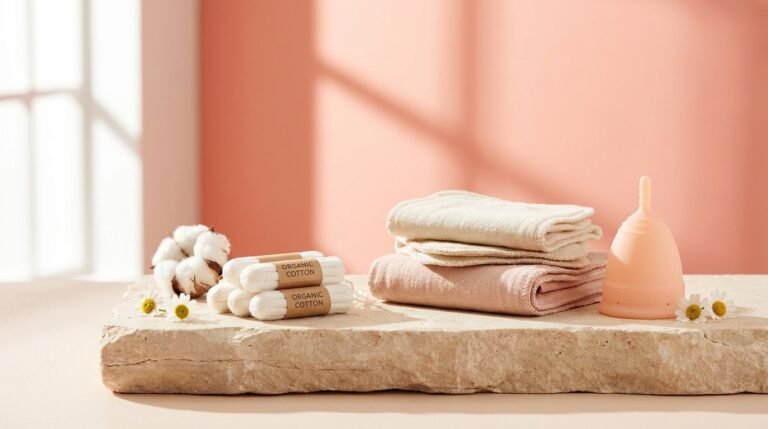
If you want to reduce total exposure, the lever that actually works is using less product overall: a menstrual cup or disc replaces thousands of disposable items over a lifetime, and medical-grade silicone doesn’t carry agricultural contamination. Period underwear is the other route, with its own caveat about PFAS in some brands that’s worth checking before you buy.
Beyond that, buy from brands that publish a full ingredient list. New York now requires one; most states don’t, and a company disclosing voluntarily is the one most likely to be testing what it sells. That’s how the picks in the best organic period products are sorted, and every brand there has a scored profile in our brand directory.
Frequently asked questions
Did the 2024 study find lead in all tampons?
Yes. Researchers tested 30 tampons across 14 brands and 18 product lines and detected lead in every one, along with detectable amounts of all 16 metals screened. Organic products were included and did not test lower.
Does that mean tampons are unsafe?
The evidence so far says no. The 2024 study measured what was present in the material, not how much crosses vaginal tissue into the body. The FDA ran that follow-up itself and published it in July 2026: trace metals are there, but the amount released during use is too small to cause harm. No health outcome has been linked to metals in tampons.
Are organic tampons free of metals?
No. Organic certification governs what’s sprayed on a crop, not what’s already in the soil, so metals taken up from the ground are unaffected. Organic tampons were included in the testing and were not cleaner on this measure.
How can I reduce exposure?
Using fewer disposable products is the most direct route: a menstrual cup or disc made from medical-grade silicone avoids agricultural contamination entirely and replaces thousands of items over a lifetime. Otherwise, choose brands that publish full ingredient lists.
Related reading
The rest of this series: the dioxin question, and why it’s mostly outdated and what’s actually in a pad or tampon. For vetted picks, see the best organic period products. The same soil-contamination mechanism appears in heavy metals in protein powder.
Sources: Shearston et al., Tampons as a source of exposure to metal(loid)s, Environment International, 2024. US Food and Drug Administration, Tampons: FDA updates on metals testing. UC Berkeley School of Public Health, FDA launches tampon safety investigation.