The Best Ethical and Sustainable Coffee Brands Worth Buying
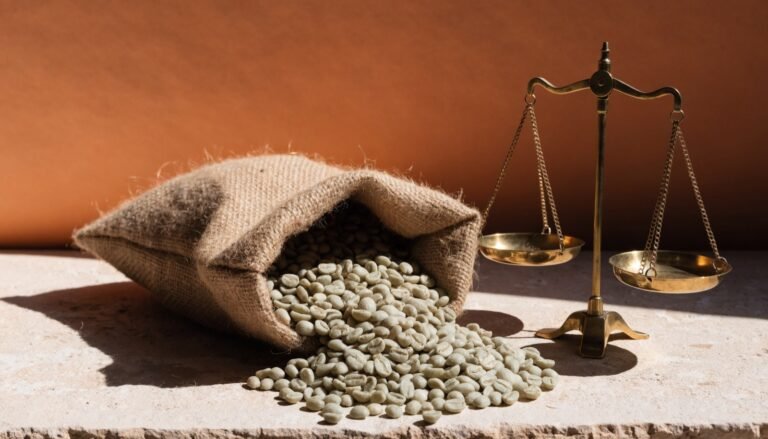
That two-dollar cup of coffee has a long, complicated backstory, and most of it happens on farms thousands of miles away. Coffee is grown across the developing world by millions of smallholder farmers, many of whom earn poverty wages while the value piles up closer to your cup. The growing itself often leans on synthetic pesticides and the clearing of shade forest for sun-tolerant, higher-yield plantations.
None of that shows up in the aroma. So it’s worth knowing which brands actually pay farmers fairly and grow the beans without wrecking the land.
Ethical coffee comes down to a few things: how the beans are bought, how they’re grown, and whether the brand will show you any of it. Fair trade or direct trade that puts real money in farmers’ hands, organic and shade-grown beans instead of chemical-heavy monocultures, and transparency you can actually check. Here’s what we looked for.
What had to line up:
- Sourcing: fair trade or direct trade with genuine farmer relationships, not just a logo on the bag.
- Growing: organic and, ideally, shade-grown, without synthetic pesticides stripping the soil and forest.
- Transparency and ownership: brands that publish where the beans come from, and that stayed independent of the big coffee conglomerates.
Our picks at a glance
- Best overall: Equal Exchange
- Best transparency: Counter Culture
- Best organic and tested: Purity Coffee
- Best carbon-neutral: Grounds for Change
- Best personality: Larry’s Coffee
- Best specialty: Onyx Coffee Lab
Equal Exchange: the fair-trade original
Best for: the most established fair-trade choice | Price: $43–$117 for a six-pack | Ownership: worker-owned co-op
Before fair trade was a supermarket sticker, Equal Exchange was building it. This worker-owned cooperative has spent decades buying directly from small farmer co-ops on properly fair terms, and its beans are organic and fairly traded across the board. The whole company is structured to keep power and profit with the people doing the work, farmers and employees alike. It’s the pick when you want the deepest fair-trade roots.
It’s a large operation now rather than a tiny roaster, so the coffee is more consistent-everyday than rare-and-exotic. But for the most established, structurally fair coffee company out there, nothing here matches it. Their full range is worth a browse if you want the six-pack pricing.
Counter Culture: radical sourcing transparency
Best for: knowing exactly where your beans came from | Price: $19–$33 | Ownership: independent
Counter Culture helped define the transparency movement in specialty coffee. It publishes an annual transparency report detailing what it paid farmers for every coffee, well above commodity prices, and invests directly in the growing communities it buys from. The beans are high-end specialty grade, and the sourcing detail is far beyond what a certification alone tells you.
The specialty focus means a premium price and a rotating, sometimes short-lived lineup. But for coffee where you can see the actual price paid to the farmer, Counter Culture is the transparency benchmark. Their current lineup rotates seasonally.
Purity Coffee: organic and obsessively tested
Best for: organic beans tested for what’s in them | Price: $29–$32 | Ownership: founder-led, with public Reg CF investors holding non-voting stock
Purity Coffee approaches coffee like a health product. Its beans are certified organic and specialty grade, and the brand tests batches for mold and mycotoxins and pesticide residue, publishing that it selects and roasts to keep those low while preserving antioxidants. It’s the pick for someone who wants organic coffee with lab testing behind the claims rather than just a bag that says “clean.” Worth saying plainly, though: the mold-and-mycotoxin scare the category runs on is oversold, and the testing is better understood as quality control than as protection from a health risk.
The testing-and-quality focus comes at a premium price, and the range is deliberately narrow. But for organic coffee vetted down to the batch, and for Smithsonian Bird Friendly beans specifically, Purity is doing something most roasters don’t. Browse the range to see which roasts carry the seal.
Grounds for Change: carbon-free and organic
Best for: the lowest-carbon cup | Price: around $20 | Ownership: independent, family-owned
Grounds for Change is the climate-minded pick. This family-owned roaster sells only organic, fair-trade, shade-grown coffee, and it offsets far more carbon than it emits, calling itself carbon-free across its operations. Shade-grown matters here because it keeps forest canopy and bird habitat intact instead of clearing it for sun plantations.
As a smaller family operation, its reach and variety are more modest than the big roasters’. But for organic, fair-trade coffee with a serious climate commitment behind it, Grounds for Change is a standout. Everything they roast carries the same certifications.
Larry’s Coffee: fair trade with a conscience
Best for: ethical coffee with real personality | Price: around $22 | Ownership: independent, sold by founder Larry Larson to Jesse Lotrecchiano and Sandro Niessen in July 2025
Larry’s Coffee proves ethical doesn’t have to mean earnest and dull. This independent roaster sources organic, fair-trade, shade-grown beans, runs its roastery on renewable energy, and pours its personality into everything from the branding to its community work. It’s the pick for people who want their values-driven coffee to also be a little fun.
It’s a smaller, quirkier operation, so it’s more cult-roaster than grocery-aisle staple. But for organic, fair-trade coffee with real character, Larry’s is a favorite. Their full shop runs to about thirty roasts.
Onyx Coffee Lab: specialty done transparently
Best for: the best cup, sourced responsibly | Price: $22–$86 | Ownership: independent
Onyx Coffee Lab is where some of the best specialty coffee anywhere meets real sourcing ethics. This independent, award-winning roaster publishes detailed sourcing information, pays well above commodity prices for its single-origin lots, and invests in long-term farmer relationships. If your priority is a truly exceptional cup that’s also responsibly bought, this is it.
The specialty focus means higher prices and a lineup aimed at people who care about brewing method and origin. But for top-tier coffee with the sourcing transparency to match, Onyx is hard to beat. Each coffee they list publishes its own price paid.
What we left off, and why
The big commercial coffee brands didn’t make it, and the reason is the commodity model most of them still run on: beans bought at volatile market prices that often leave farmers below the cost of production, with little transparency about who grew them or how. We also treated bare “fair trade” logos with some caution, because certification is a floor, not a ceiling, and the strongest brands here go well beyond it by publishing what they actually pay. If a coffee brand won’t tell you where its beans come from or what the farmers earned, that gap is the answer. Seeing past reassuring labels is the same skill we cover in our greenwashing guide.
How to actually choose one
Don’t start with the roast. Start with what you care about most.
If you want the deepest fair-trade structure, Equal Exchange. If transparency is everything, Counter Culture or Onyx. If you want organic beans tested for purity, Purity Coffee. If carbon footprint leads your decision, Grounds for Change. And if you want ethics with a sense of humor, Larry’s. Any of them beats a commodity-grade tin.
One habit lowers the impact of any coffee: brew what you’ll actually drink, and store beans well so nothing gets wasted. The most sustainable bag is the one that doesn’t go stale in the back of the cupboard.
Frequently asked questions
What makes coffee ethical or sustainable?
Two sides: the people and the land. Ethical coffee is bought through fair trade or direct trade that pays farmers meaningfully above commodity prices, and it’s grown sustainably, ideally organic and shade-grown, which avoids synthetic pesticides and preserves forest habitat. The most credible brands go beyond certifications by publishing exactly what they pay and where the beans come from.
Is fair-trade coffee actually better for farmers?
It’s a real improvement over the commodity market, which often pays below the cost of production, but it’s a floor rather than a guarantee of a good living. That’s why the strongest brands pair fair-trade or direct-trade sourcing with published prices well above the minimums and long-term farmer relationships. Certification helps; transparency about the actual price paid tells you more.
Does organic coffee taste different?
Not inherently, no. Organic refers to how the coffee is grown (without synthetic pesticides and fertilizers), not to the flavor, and plenty of organic coffee is also specialty grade and excellent. Taste comes down to the beans, the origin, the roast, and how you brew it. Organic just means the growing avoided the synthetic chemicals.
What is shade-grown coffee, and why does it matter?
Shade-grown coffee is cultivated under a canopy of trees, the way coffee naturally grows, rather than in cleared, full-sun plantations. It matters because keeping the forest canopy preserves bird and wildlife habitat, supports healthier soil, and usually needs fewer chemical inputs. Sun-grown monocultures produce higher yields but often at the cost of clearing that forest.
Related reading
Want the detail behind the picks? We’ve compared fair trade against direct trade, explained what shade-grown actually means and which label proves it, looked at whether mold in coffee is worth paying to avoid, and set out who pesticides in coffee really affect.
Getting more discerning about what you consume? Start with our greenwashing guide, see our roundup of the best clean protein powders, and read our guide to the hidden red flags in the wellness industry.