
Purity Coffee
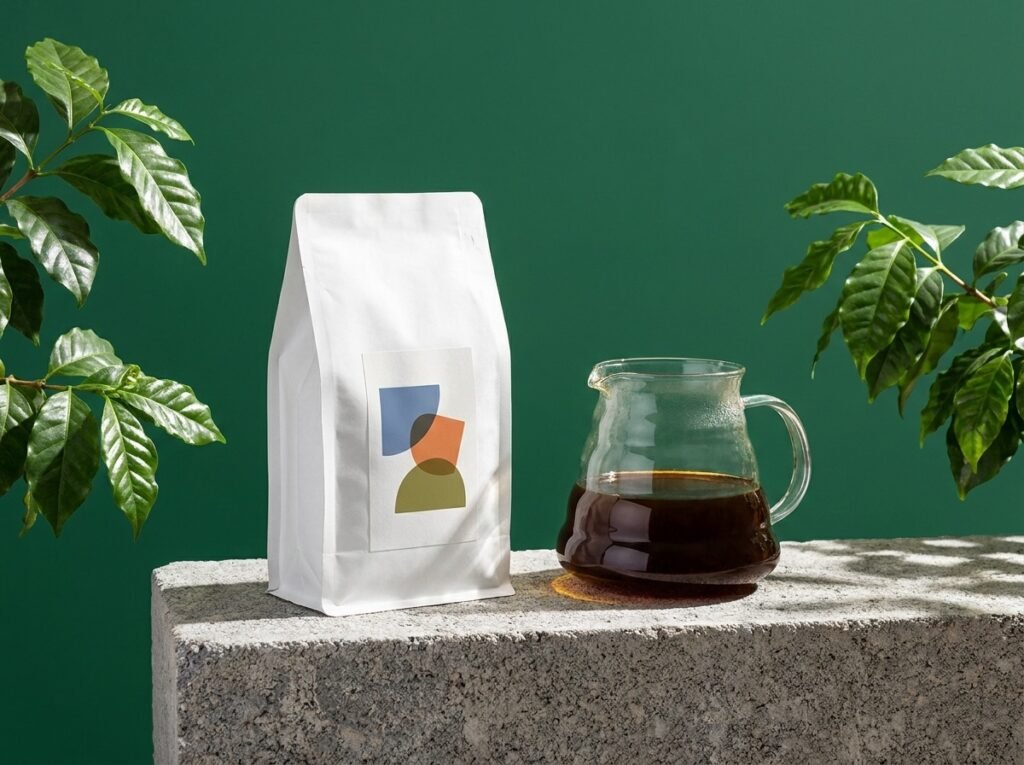
Quick verdict: Purity Coffee treats coffee like a supplement. Every lot goes to an independent lab for mold, mycotoxins and pesticide residues, and the certificates get published. Add organic, Rainforest Alliance, Bird Friendly and B Corp, and the certification stack is the strongest in our coffee roundup. The range is deliberately small. Our rating: 4.3 out of 5.
Who they are
Andrew Salisbury started Purity Coffee in 2016, and it runs today out of Greenville, South Carolina, on a premise most roasters would find odd: that coffee should be selected for health outcomes first and flavor second. The company buys specialty-grade beans, which is roughly the top 1% of green coffee, and then tests them for the things nobody else tests for.
It’s independent and founder-led. There are equity crowdfunding investors on the register, which is why ownership scores 0.9 here rather than a clean 1.0, but nothing controlling and no parent company.
What they get right
The testing is the product. Independent labs check for more than 350 contaminants including mycotoxins, mold and pesticide residues, and Purity publishes the certificates of analysis rather than describing them. There’s no certification for mycotoxin testing in coffee, so publishing the lab work is the only honest way to make the claim, and it’s what most brands making mold-free coffee claims do not do.
Four certifications, covering different things. USDA Organic on the farming, Rainforest Alliance and Smithsonian Bird Friendly on the growing environment, and B Corp on the company. Bird Friendly in particular is one of the strictest shade-grown standards going, which most “shade grown” labeling isn’t held to.
Specialty grade underneath all of it. The health angle would be hollow on bad coffee. This is very good coffee that happens to be tested.
Where they fall short
Around $29 to $32 a bag is a premium, and it’s a consumable, so there’s no durability argument to earn it back. You’re paying for the lab work. Whether that’s worth it depends entirely on how much the mycotoxin question matters to you, and the honest answer is that it matters more to some people than the evidence strictly demands.
The range is narrow on purpose. A handful of roasts and a decaf. No rotating single origins, no seasonal lots. That’s a consequence of selecting on test results rather than on flavor notes, and it’s limiting if variety is what you want from coffee.
Crowdfunding investors mean outside shareholders exist. Not controlling, and worth saying rather than describing the company as simply founder-owned.
What they sell and what it costs
Medium and dark roast whole bean and ground, a decaf, and subscriptions. Bags run about $29 to $32.
Who it’s actually for
Anyone who has gone down the mold-in-coffee rabbit hole and wants a brand that answers it with lab results instead of adjectives. Also anyone who wants organic and shade-grown certified to a stricter standard than the usual label.
If you want the certifications without the testing premium, Grounds for Change is around $20.
Deals and discounts
No affiliate program on our side, so nothing here earns us anything. Subscription pricing is the cheapest route.
Related reading
- The Best Ethical and Sustainable Coffee Brands
- Mold and Mycotoxins in Coffee: What’s Real
- Pesticides in Coffee: What the Testing Shows
Frequently asked questions
Does Purity Coffee actually test for mold and mycotoxins?
Yes, at independent labs, across more than 350 contaminants, and it publishes the certificates of analysis. There’s no certification body for mycotoxin testing in coffee, so published lab results are the only verifiable version of that claim. Most brands making similar claims don’t publish anything.
Is Purity Coffee organic?
USDA Organic certified, and also Rainforest Alliance and Smithsonian Bird Friendly certified, which cover the growing environment rather than just the inputs. Bird Friendly is among the strictest shade-grown standards in coffee.
Who owns Purity Coffee?
Founder Andrew Salisbury leads it and it’s independent, with no parent company. There are equity crowdfunding investors on the register from raises on StartEngine, none of them controlling.
Is Purity Coffee worth the price?
If the mycotoxin and pesticide question is what brought you here, the published lab work is the thing you’re buying and nothing else on our list offers it. If you want certified organic fair trade coffee at everyday money, Grounds for Change costs about a third less and carries more trade certifications.