Shade-Grown Coffee: What It Means and Which Label Proves It
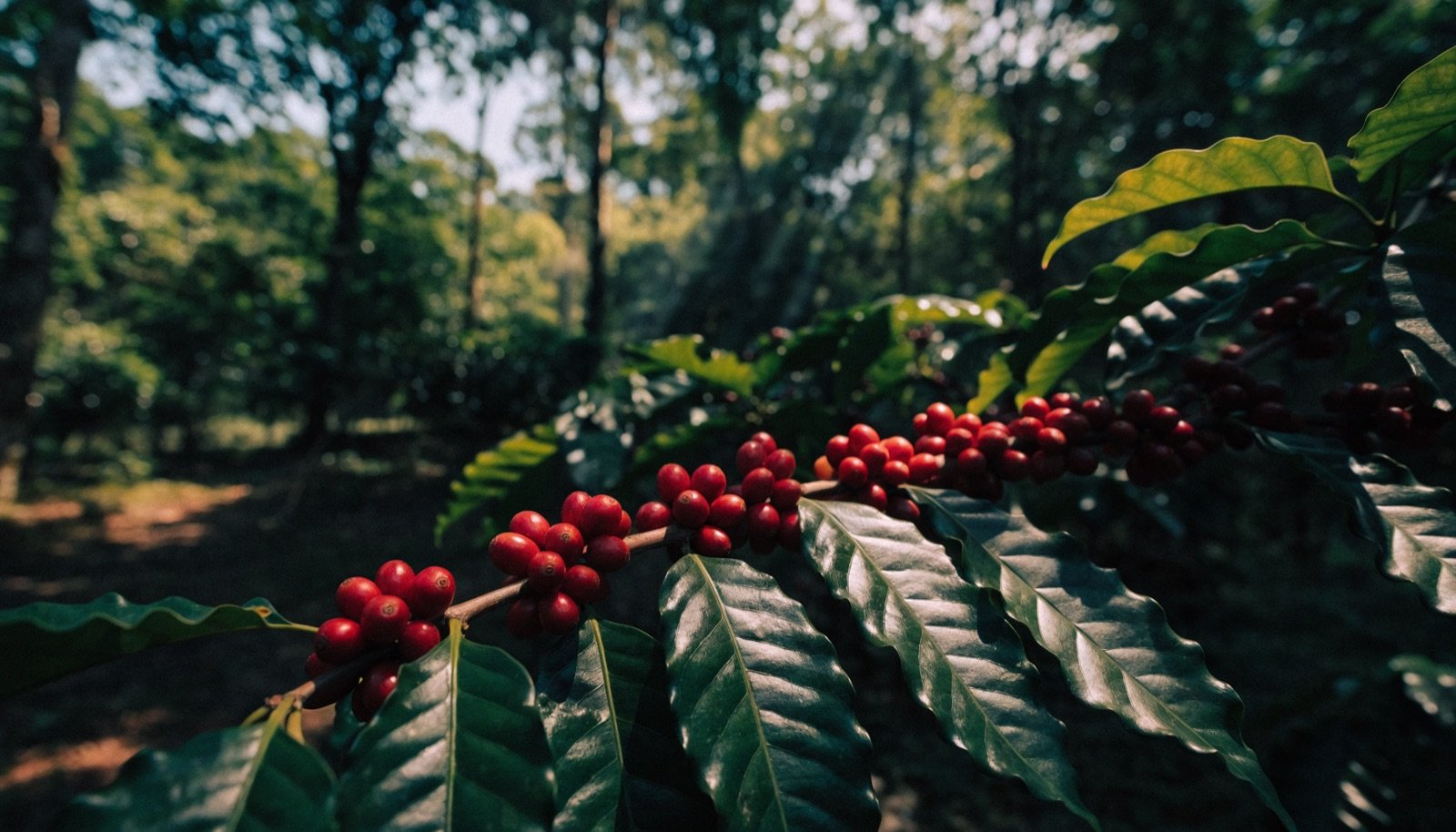
Coffee is a forest plant. Left alone, arabica grows as an understory shrub, shaded by taller trees, fruiting slowly in filtered light.
That’s not how most of it is grown now.
From the 1970s onward, breeding programs produced cultivars that tolerate direct sun. Sun-grown coffee yields far more per hectare, ripens faster, and can be harvested mechanically. To plant it, you cut the canopy down.
The result is one of the quieter habitat losses of the last fifty years, and it’s the reason “shade-grown” appears on bags at all.
What the canopy was doing
A shaded coffee farm is a working ecosystem in a way a sun plantation is not.
The canopy is habitat, and the birds using it are the reason this became a conservation cause. Migratory species that winter in Central and South America depend on forested land, and a shaded coffee farm is a passable substitute for forest in a way a bare plantation is nothing like.
The trees also do agricultural work. They drop leaf litter that feeds the soil, hold moisture through dry spells, moderate temperature, and shelter the predatory birds and insects that eat coffee pests. Farms with intact canopy generally need fewer inputs, which is why shade and organic tend to travel together.
And there’s a quality argument. Coffee ripening slowly in shade develops more sugar and more complex flavor, which is why a lot of high-scoring specialty coffee comes from shaded farms whether or not anyone certifies it.
The tradeoff is yield. A sun plantation simply produces more coffee per hectare, and for a farmer with a small plot and a family to feed, that difference is not abstract. This is the honest tension in the whole subject, and it’s why paying more for shaded coffee is the mechanism that makes shade viable rather than a nice sentiment.
The one label that verifies it
Here’s the part worth knowing, because “shade-grown” on a bag means nothing by itself. No one has to prove it.
Smithsonian Bird Friendly is the exception, and it’s the strictest environmental certification in coffee. To carry it, a farm must be certified organic and meet canopy requirements at the same time: a minimum of 40% shade cover, at least 11 tree species, 60% of them native to the region, and a canopy at least 12 meters tall.
Fewer than 1% of coffee farms worldwide hold it. That rarity is the point: it’s the only mark where the shade claim has actually been inspected.
Rainforest Alliance certification also addresses habitat and is far more common, with a broader sustainability remit and a lower bar on canopy specifically. It’s a meaningful standard, just not the same guarantee.
Everything else, including the words “shade grown”, “forest grown” and “bird friendly” written in a brand’s own font rather than as the certification mark, is unverified. Sometimes true. Never checked.
What to do with that
If the canopy is what you care about, look for the Bird Friendly seal, and accept that your options will be limited and the coffee will cost more.
Below that, organic certification is a reasonable proxy, since the farms carrying it are more likely to retain shade and are definitely not spraying the synthetic inputs a sun monoculture needs. That’s covered in our piece on pesticides in coffee.
And below that, the same rule that applies everywhere in this category: a roaster naming its farms and describing how they grow is telling you something. One printing an adjective is not. Our roundup of the best ethical coffee brands leans on brands that do the former.
Frequently asked questions
Is shade-grown coffee better quality?
Often, and there’s a mechanism behind it rather than just romance. Slower ripening in cooler shaded conditions develops more sugars and more complex acidity, which is why many high-scoring specialty coffees come from shaded farms. It isn’t a guarantee, since processing and variety matter enormously too.
Does shade-grown mean organic?
Not by itself, and this trips people up. A farm can retain canopy and still spray. The overlap is real but partial, which is exactly why Smithsonian Bird Friendly requires organic certification as a precondition rather than assuming it.
Is Rainforest Alliance the same thing?
No. Rainforest Alliance covers a broader set of environmental and social criteria across far more farms, and its canopy requirements are less demanding than Bird Friendly’s. It’s a legitimate certification doing a different job. If your specific concern is forest cover and bird habitat, Bird Friendly is the stricter answer.
Why is Bird Friendly coffee so hard to find?
Because it requires two expensive things at once: organic certification and a genuine forest canopy, verified on inspection. Most farms have one or neither. Under 1% qualify, which makes the seal rare and the coffee correspondingly pricier and harder to source.
Related reading
The rest of what’s behind the bag: fair trade versus direct trade, whether mold in coffee is a real problem, and pesticides in coffee and who they really affect. For roasters we’d buy from, see the best ethical coffee brands.