
Keap
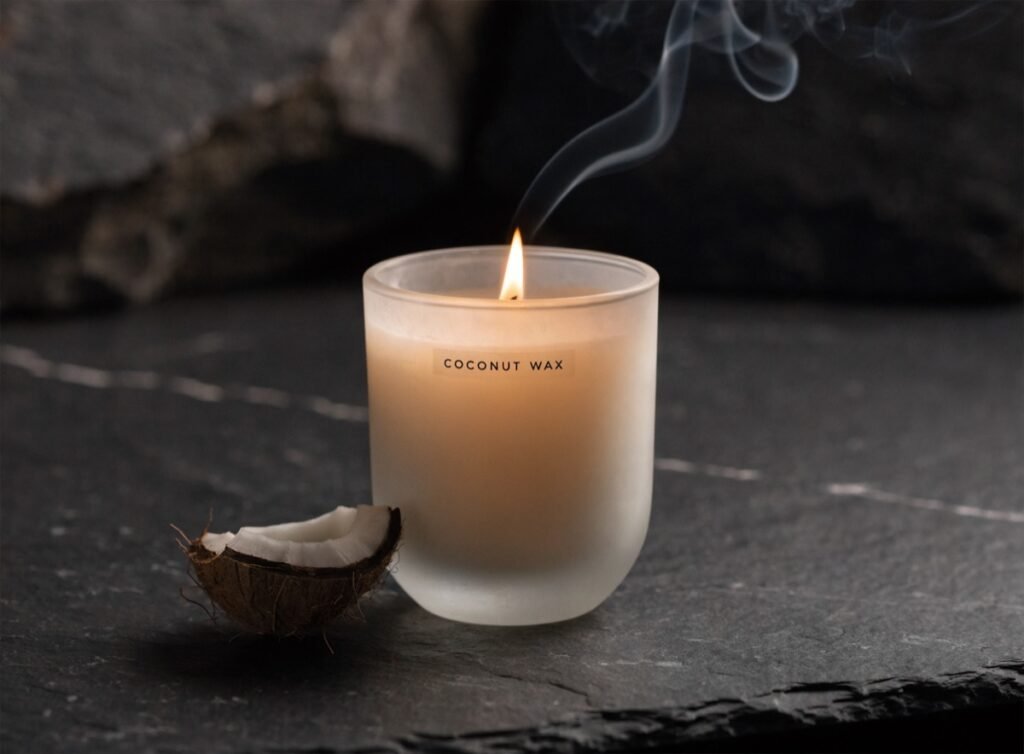
Quick verdict: Two ex-Google employees quit to make candles in a Brooklyn kitchen, picked coconut wax because it burns slower and cleaner than soy, and built everything around that one decision. It works. It also costs about $55 and carries no third-party certification at all. Our rating: 3.7 out of 5.
Who they are
Harry Doull and Stephen Tracy met working at Google in Europe, both moved to the New York offices, and both left to hand-pour candles on Keap Street in Brooklyn, which is where the name comes from. They funded the first production run through Kickstarter in 2016, where 753 backers put in about $57,000 against a $25,000 goal. No venture round followed, and the two of them still own it.
What they get right
Coconut wax really does burn better, and that’s the whole product. It has a lower melting point than soy, which means a slower burn and a more complete one, with very little soot. If you’ve ever found a black ring creeping up the inside of a jar, that’s the problem this brand exists to avoid. Soot from candles is a real indoor-air question rather than an invented one, and coconut wax is a sensible answer to it.
They tell you what’s in it. Keap publishes the composition of its candles rather than hiding behind “proprietary blend”, and the fragrance is phthalate-free. That’s short of a full ingredient list, and it’s more than most of the category offers.
Nobody bought them. Kickstarter money came from customers, not funds, and there’s been no outside investment since.
They’re trying to make the ownership permanent. Keap has written publicly about converting to steward-ownership, a structure where voting control sits with a trust rather than shareholders and the company can’t be sold for someone’s exit. Worth being precise here, because it’s the kind of thing that gets repeated as fact: they haven’t completed the conversion. They’ve been working on it with the Purpose Foundation, now Common Trust, and cite the legal cost as the reason it’s unfinished. It’s a stated intention with real work behind it, not a done deal, and we’d rather describe it that way.
Where they fall short
No certifications. None. Not MADE SAFE, not B Corp, not Leaping Bunny. Everything above about the wax and the fragrance comes from Keap. We’ve no reason to doubt it and we score what an outsider has checked, which here is nothing. Fontana costs half as much and carries MADE SAFE certification.
It’s the most expensive candle in the roundup. Around $55. Coconut wax does cost more than soy, and the burn time softens the per-hour math, but this is still the top of the price range by a distance.
Phthalate-free isn’t the same as fully disclosed. You learn what’s been left out. The fragrance itself is still a blend rather than a printed list, which Grow Fragrance does provide.
The scent library is small and leans understated. If you want dessert-sweet or a big seasonal range, this isn’t the shop.
What they sell and what it costs
Candles around $55, plus refills for the vessels, travel tins and matches. Hand-poured in Brooklyn.
Who it’s actually for
Buy Keap if the burn itself is what you care about: long, even, almost no soot, and a jar that stays clean to the bottom. It’s the pick for someone who burns a candle most evenings and notices the difference.
If you want a certification behind the ingredient claims, Fontana has one and costs less. If you want every component printed on the label, Grow Fragrance does that. If you want the strongest scent throw, P.F. Candle Co wins on that and nothing else here comes close.
Deals and discounts
No affiliate relationship on our side. The refills are meaningfully cheaper than replacing the whole candle, which is the point of the vessel.
Related reading
- The Best Non-Toxic Candles That Actually Smell Good
- Candle Soot and Indoor Air Quality
- Soy vs Beeswax vs Coconut Wax
Frequently asked questions
Is coconut wax actually better than soy?
For burn quality, yes. Coconut wax has a lower melting point, so it burns slower and more completely, and it produces noticeably less soot than soy or paraffin. That’s the practical difference you’d see as a cleaner jar and a longer-lasting candle. It also costs more, which is a large part of why Keap sits at the top of the price range.
Is Keap steward-owned?
Not yet. Keap has publicly committed to converting to steward-ownership, a structure where voting control is held by a trust so the company can’t be sold off, and has been working toward it with the Purpose Foundation, now Common Trust. The conversion hasn’t been completed, and the company cites legal costs as the reason. For now it’s founder-owned by Harry Doull and Stephen Tracy.
Does Keap have any certifications?
No, and it’s the clearest gap in this profile. There’s no MADE SAFE, B Corp or Leaping Bunny certification. The coconut wax composition and phthalate-free fragrance are the company’s own statements, published in reasonable detail but not verified by an outside body.
Why is Keap more expensive than other clean candles?
Coconut wax costs more than soy as a raw material, and Keap hand-pours in Brooklyn rather than manufacturing at scale. The longer burn time takes some of the sting out per hour of use. Even allowing for that, at around $55 it’s the priciest option in our roundup.