
Vivobarefoot
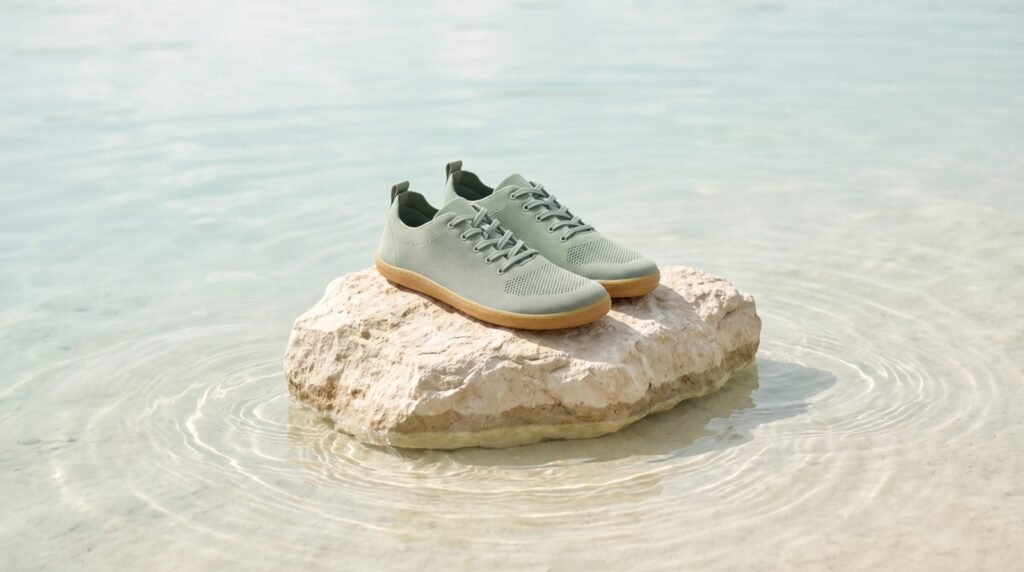
Quick verdict: Most shoes are shaped like a shoe. Vivobarefoot’s are shaped like a foot, which sounds like a slogan until you put one on and realize how much your toes have been squeezed for years. It’s a certified B Corp, it publishes who owns it down to the percentage, and it’s been putting out impact reports every year since 2021. The adjustment is real and it takes weeks. Our rating: 4.1 out of 5.
Who they are
Cousins Galahad and Asher Clark started Vivobarefoot in 2012, out of London. The idea was pretty simple and pretty unfashionable at the time: feet are already good at being feet, and the cushioned, tapered, heel-raised shoe most of us grew up in gets in the way. So the shoes are wide at the toes, flat from heel to forefoot, and thin enough underfoot that you feel the ground.
Ownership is where they do something almost nobody else does. They publish the shareholder register. The Clark family holds 63.4 percent along with board control, Sofina, a Belgian family investment group, came in during 2024 with 14.4 percent, its Tier 1 Vietnamese manufacturer holds 15.3 percent, and a few percent belongs to people who backed a crowdfunding round. You can read that on their own support site, which is not a page most brands would write.
What they get right
The B Corp certification checks out. We looked it up at B Lab rather than taking the badge off their website, and Vivobarefoot is listed, certified since December 2019. That matters more than it sounds. Allbirds, which sits alongside them in our sneaker roundup, had its listing quietly disappear from the same directory, so a current one is worth checking rather than assuming.
Five years of impact reports, and they’re not all good news. The 2025 report is the latest in an unbroken run going back to 2021, and one of the earlier ones was titled “Unfinished Business,” which tells you the register they’re written in. Numbers, targets, and the targets they missed. Most footwear brands publish a page of adjectives instead.
Their manufacturer owns a piece of the company. A factory holding 15.3 percent of the brand it makes shoes for is an unusual arrangement, and it points the incentives in a better direction than the usual squeeze-the-supplier relationship. It’s also disclosed rather than buried, which is the part we care about.
Worn pairs have somewhere to go. Repair and resale keep shoes in use, and in a category where 24 billion pairs a year get made and almost none get recycled, keeping one pair going is worth more than any material swap.
Where they fall short
The adjustment period is not a marketing caveat. Going from a cushioned trainer to a 3mm sole asks your calves and feet to do work they’ve had done for them, and rushing it is how people end up with sore arches. Weeks, not days. Build up slowly.
One certification, and it’s company-level. B Corp assesses how the business runs. There’s no bluesign, no GOTS, no Fair Trade mark on the materials themselves, so the fiber and chemistry claims rest on their own reporting rather than on an audit. We checked the current bluesign system partner list and they aren’t on it, which several outdoor brands their size are.
Thin soles wear. That’s physics, not a defect. But a $150 shoe with 3mm underfoot doesn’t have the sole life of a chunky trainer, and the resale route only helps if you use it.
The look is function first. These read as barefoot shoes from across a room. Some styles have gotten sharper, but nobody’s buying them for the silhouette.
What they sell and what it costs
Sneakers, trail and hiking shoes, boots, sandals and kids’ shoes, running roughly $96 to $250 with most of the men’s range sitting between $120 and $170. Call it $$$ against a conventional sneaker, though not against a technical trail shoe.
Who it’s actually for
Buy Vivobarefoot if your feet are wide, or if your feet and knees have been bothering you and you’ve read enough about toe boxes to be curious. That’s the audience this brand was built for and it serves them better than anyone.
If you want everyday style with a traceable supply chain and no adjustment period, Veja is the easier shoe. If you want the same durability logic applied across a whole wardrobe rather than one pair, Patagonia is the deeper company.
Deals and discounts
No affiliate relationship on our side. Their outlet section is where the older colorways land, and it’s the cheapest honest way in.
Related reading
- The Best Sustainable Sneakers and Shoes Worth Buying
- Can Sneakers Actually Be Recycled?
- Vegan Leather vs Real Leather
Frequently asked questions
Is Vivobarefoot a B Corp?
Yes. B Lab’s directory lists Vivobarefoot as certified since December 2019, and we checked it at the issuer rather than trusting the badge on the brand’s own site. B Lab’s newer standards replaced the old numeric score with a set of impact requirements, so there’s no score to quote any more, just the certification itself.
Who owns Vivobarefoot?
The founding Clark family holds 63.4 percent and controls the board. The remainder is split between its Tier 1 Vietnamese manufacturer at 15.3 percent, the Belgian family investment group Sofina at 14.4 percent, other shareholders at about 5 percent, and crowdfunding investors at 2 percent. Vivobarefoot publishes this breakdown itself, which is rare enough to be worth saying.
How long does it take to adjust to barefoot shoes?
Give it weeks. Your feet and calves have to take back work that a cushioned sole has been doing, and going straight to long walks or runs is how people pick up sore arches and tight calves. Short wears first, build from there, and treat any sharp pain as a signal to slow down rather than push through.
Are Vivobarefoot shoes vegan?
Some styles are and some aren’t. The range includes leather uppers alongside synthetic and plant-based ones, so check the individual shoe rather than assuming the whole line goes one way. The brand doesn’t hold a vegan certification, so the material list on each product page is the thing to read.
Are Vivobarefoot shoes good for wide feet?
That’s arguably the strongest reason to buy them. The wide toe box is the design starting point rather than a size option, so the shoe is shaped to let toes splay instead of tapering to a point. If you’ve spent years sizing up to get width, this is a different fix.