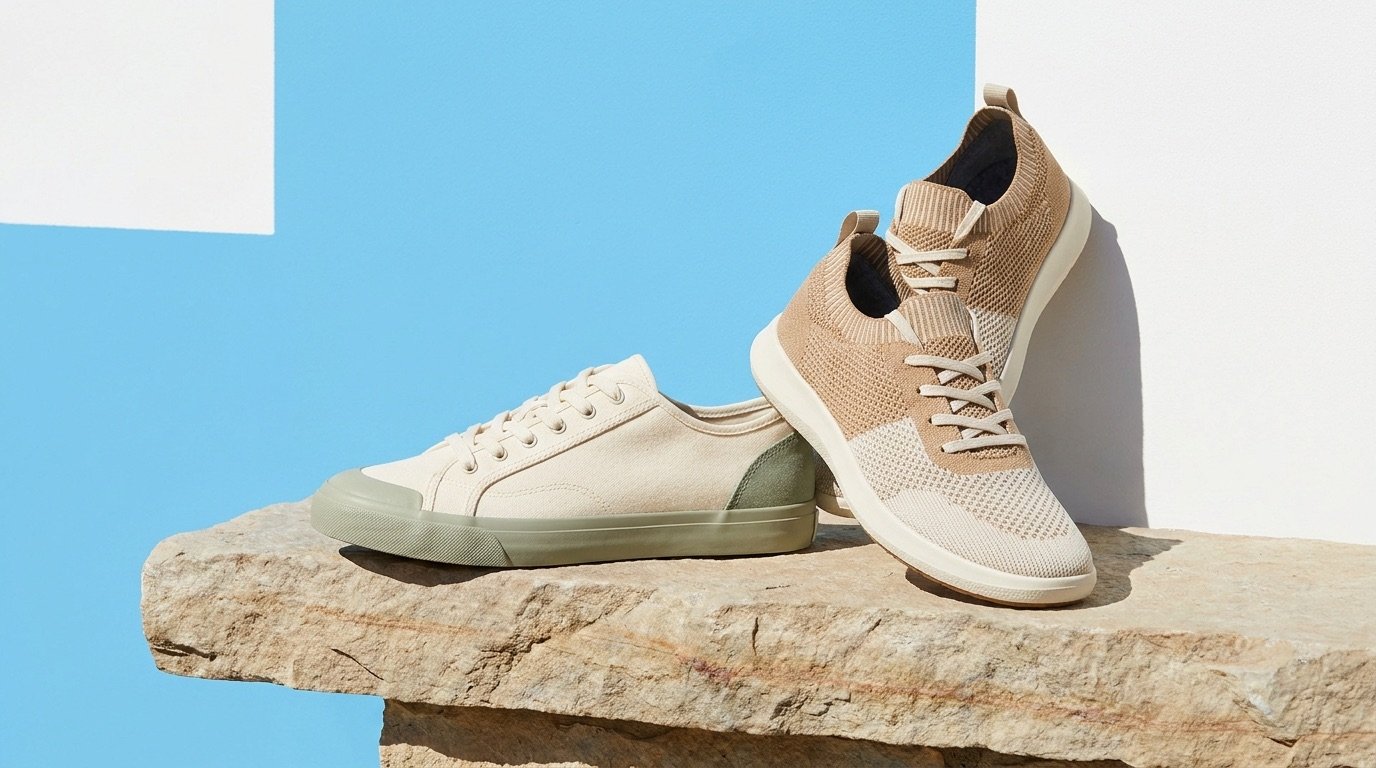
The Best Sustainable Sneakers and Shoes Worth Buying
Here’s a number that sticks with you: something like 24 billion pairs of shoes are made every year, and the vast majority are plastic glued to plastic, built in a way that can never be taken apart or recycled. They end up in landfills, where a typical sneaker takes decades to centuries to break down. Your old running shoes will likely outlast your grandchildren.
Sustainable footwear can’t fix all of that. But the good brands change the math in real ways.
It comes down to what the shoe is made of and who made it. The materials worth looking for are recycled plastics, natural rubber, organic cotton, and increasingly bio-based foams, instead of virgin petroleum plastic. Watch the plant-leather claims though, because when a German institute cut nine of them open it found polyurethane under nearly all of it. And because footwear supply chains are notoriously murky, transparency about factories and labor matters just as much. We used the same lens on workout gear in our roundup of the best sustainable activewear brands; this is the footwear version.
Here’s how we picked. Two things had to line up, and a third got a disclosure rule instead of a rule-out:
- Materials: recycled plastics, natural rubber, organic cotton, or bio-based foams. Not virgin petroleum plastic with a leaf on the box.
- Labor and transparency: fair-labor practices and a supply chain you can check from outside the company.
- Ownership: a parent company doesn’t disqualify a brand. We just tell you who it is, every time, because that’s information you can weigh yourself.
These made the cut.
Our picks at a glance
- Best overall: Veja
- Best for comfort: Allbirds
- Best circular design: Thousand Fell
- Best for foot health: Vivobarefoot
- Best retro-court style: Saye
Veja: the transparent one that also looks good
Best for: everyday style with a traceable supply chain | Price: $170–$175 | Certifications: B Corp, GOTS, Fair for Life | Ownership: founder-owned since 2004
If you buy one sustainable sneaker, Veja is the default, and it earns it. For nearly two decades the brand has made its shoes from wild Amazonian rubber, organic cotton, and recycled materials, with a level of supply-chain transparency almost no one matches. It’s a certified B Corp, it works directly with the producers of its materials, and the classic V-10 has become a genuine style staple, not just an “eco” shoe. Prices and the full breakdown are on Veja’s own site, which splits into men’s and women’s sizing.
The catch is comfort: the flat soles run firmer than a cushioned trainer, so they’re better for walking and everyday wear than long runs. But for style, ethics, and transparency in one shoe, nothing here beats it.
Allbirds: the comfort-first pick
Best for: all-day comfort from natural materials | Price: $50–$116 | Certifications: no longer listed in B Lab’s B Corp directory | Ownership: publicly traded (Nasdaq: BIRD) since 2021
Allbirds built its name on instant, no-break-in comfort, using merino wool and eucalyptus-fiber uppers that feel softer than synthetics and breathe better too. One update since we first wrote this entry: the company is no longer listed in B Lab’s B Corp directory, and nothing public explains why, so we’ve stopped crediting that certification. It still does something almost no footwear brand does, though: it prints a carbon footprint on every product, which is a rare bit of honesty in an industry that hides everything.
The soft, casual look isn’t for everyone, and the knit uppers are more slipper-cozy than supportive for serious sport. For everyday comfort from natural materials, though, it’s the easy pick.
Thousand Fell: the one designed to be recycled
Best for: circular design with a real take-back program | Price: $145–$155 | Ownership: independent, founder-led and venture-backed
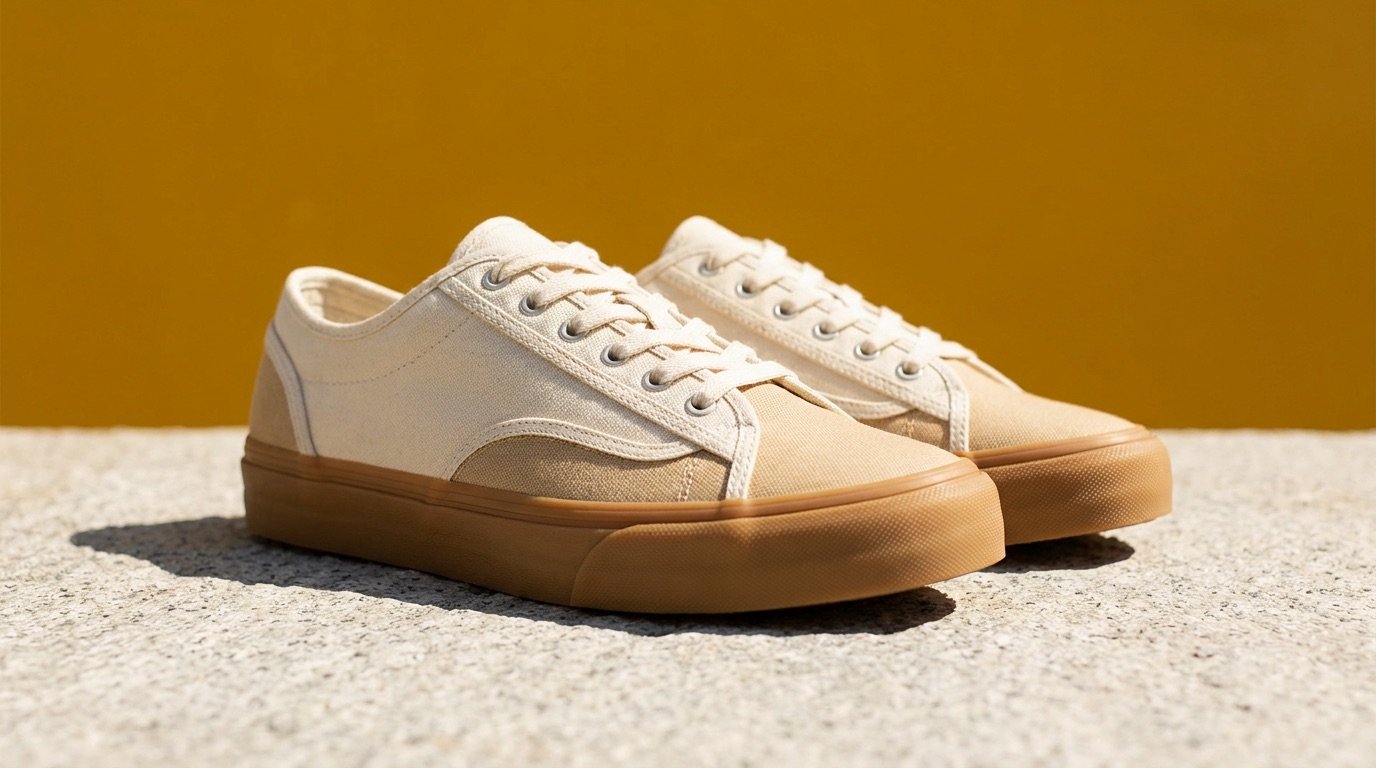
Most sneakers can’t be recycled because they’re a fused mess of materials, and the take-back schemes that promise otherwise don’t always do what they say. Thousand Fell designs around that problem from the start. Its vegan sneakers are built to be taken back and broken down into new shoes at the end of their life, and the brand runs a closed-loop program (with a deposit you get back) to make sure they actually come home instead of hitting the trash.
The style is minimal and clean rather than flashy, and the range is focused. But for circular design done properly, where the end of the shoe’s life is planned before you ever buy it, nobody here does it better.
Vivobarefoot: the one that’s good for your feet
Best for: foot health, wide feet, and natural movement | Price: $96–$250 | Certifications: B Corp | Ownership: independent, the founding Clark family holds 63.4% and controls the board
Vivobarefoot comes at sustainability from a different angle: shoes shaped like actual feet. Its wide, thin-soled, minimalist designs let your foot move naturally, and the brand builds them from recycled and natural materials with a repair-and-resell program to keep them out of landfill. It’s also the rare footwear brand that publishes its own shareholder register, and there’s a whole community of people who swear their foot and knee pain eased after switching. You can browse the current range on Vivobarefoot’s site.
The barefoot feel takes real weeks to adjust to, and the look is more function than fashion. But for foot health plus sustainability in one shoe, it’s in a category of its own.
Saye: retro-court sneakers that plant trees
Best for: a retro-court silhouette in bio-based and recycled materials | Price: around $150 | Ownership: privately held in Barcelona; the founders sold control to an investor consortium in 2024, and one founder keeps a minority stake
Saye rounds out the list for people who want classic styling without a petroleum upper. Its shoes use bio-based and recycled materials, including corn, bamboo, and recycled plastic, and the brand plants two trees for every pair. One update since we first wrote this entry: Saye was a fully vegan brand and isn’t any more. Most of the current catalog uses leather, with a separately labelled vegan version of the Modelo ’89 alongside it, so check the individual shoe rather than the brand. The Modelo ’89 has the retro-court look that never really goes out of style.
It’s a smaller brand, so sizing and stock can be less predictable, and the ownership changed hands in 2024. But for recycled and bio-based materials in a truly wearable everyday sneaker, it’s still a strong option.
What we left off, and why
You won’t see the big athletic brands’ “eco” collections here, and the reason is the greenwashing. A giant footwear company can release one sneaker made partly from recycled plastic, market it heavily, and keep churning out hundreds of conventional styles behind it, using that single shoe as a green halo for the whole brand. We asked the same question of activewear when we investigated whether Lululemon is actually sustainable. One recycled sneaker in a lineup of throwaway ones isn’t a sustainability program. The brands above build the whole business around it. If you want to spot that halo trick yourself, our greenwashing guide breaks it down.
How to actually choose one
Don’t start with the brand. Start with what you need the shoe to do.
If you want everyday style with a traceable supply chain, Veja. If comfort is everything, Allbirds. If you care most about what happens at the end of the shoe’s life, Thousand Fell. And if your feet (or your knees) have been bothering you, Vivobarefoot‘s barefoot design is worth the adjustment.
One habit beats any single purchase: wear them longer and repair them. Several of these brands will resole or take back your old pairs, and a shoe kept in use for years beats a “sustainable” one you replace every season.
Frequently asked questions
What makes a sneaker sustainable?
Two things, mainly: what it’s made of and who made it. Sustainable sneakers use recycled plastics, natural rubber, organic cotton, or bio-based materials instead of virgin petroleum plastic, and they’re produced in factories with verifiable fair-labor standards. The best also design for durability or recyclability, so the shoe lasts longer or can be broken down into new ones instead of landfilled.
Are sustainable sneakers actually comfortable?
Many are, though it depends on the style. Allbirds is known for instant, no-break-in comfort, while Veja’s flatter soles suit walking more than running. Barefoot brands like Vivobarefoot are comfortable once your feet adjust, which takes a few weeks. As with any shoe, fit and intended use matter more than the material.
What certifications should I look for in footwear?
B Corp certification is a strong signal, since it assesses the whole company’s social and environmental practices. Veja and Vivobarefoot both hold it; Allbirds no longer appears in B Lab’s directory, which is why we stopped crediting it above. Beyond that, look for specifics: named factories, fair-labor documentation, recycled-content percentages, and materials certifications. Vague “eco” or “conscious” language with none of these behind it is worth a second look.
Can old sneakers be recycled?
Most conventional sneakers can’t, because they fuse many materials together in a way that’s hard to separate. That’s exactly the problem brands like Thousand Fell and Vivobarefoot design around, with take-back and recycling programs built in. For other shoes, some retailers and running stores run donation or recycling drives, which keeps them out of the landfill a little longer.
Related reading
Building a more conscious wardrobe? Start with our guide to sustainable fashion, and see our picks for workout gear in the roundup of the best sustainable activewear brands. For the everyday drawer, there’s also our guide to the best sustainable underwear and basics. And if you’re weighing a leather pair, the chrome-tanned versus vegetable-tanned question isn’t the clean-versus-dirty split it gets sold as.