Is Mulberry Silk Worth It? An Honest Buyer’s Guide
Is a silk pillowcase actually worth $100, or is it soft marketing with a luxury markup? Fair question. We asked it ourselves before spending a cent.
Here’s the honest answer, up front: real mulberry silk is worth it for some people, for reasons smaller and more specific than the ads suggest. A lot of what gets sold as a health upgrade is really just a very nice fabric. So before you buy, it helps to know what silk does, what it doesn’t, what “momme” and “grade 6A” actually mean, and the sustainability question almost no silk brand wants to bring up.
Quick disclosure: some links below are affiliate links, so if you buy through one we may earn a small commission at no extra cost to you. The brands we mention without an affiliate link, we’re just pointing you toward because they’re worth knowing. Nobody paid to be here.
Mulberry silk: worth it? The short answer
Buy silk for two things. How it feels, and how it treats your hair. It’s cool against your skin, and it creates less friction than cotton, so hair snags and creases less overnight. If you have curls, a fresh blowout, or you wake up with pillow lines pressed into your cheek, that’s a real, noticeable difference.
Don’t buy it expecting a skincare miracle. Silk won’t clear acne or erase wrinkles or do anything a serum does. Less friction is a comfort upgrade, not a treatment, and anyone selling it as one is overpromising.
And you don’t need to spend $100. A 22-momme, OEKO-TEX certified pillowcase does the same job at $35 as it does at $120. The expensive part is usually the brand, not the silk.
What momme and grade actually mean
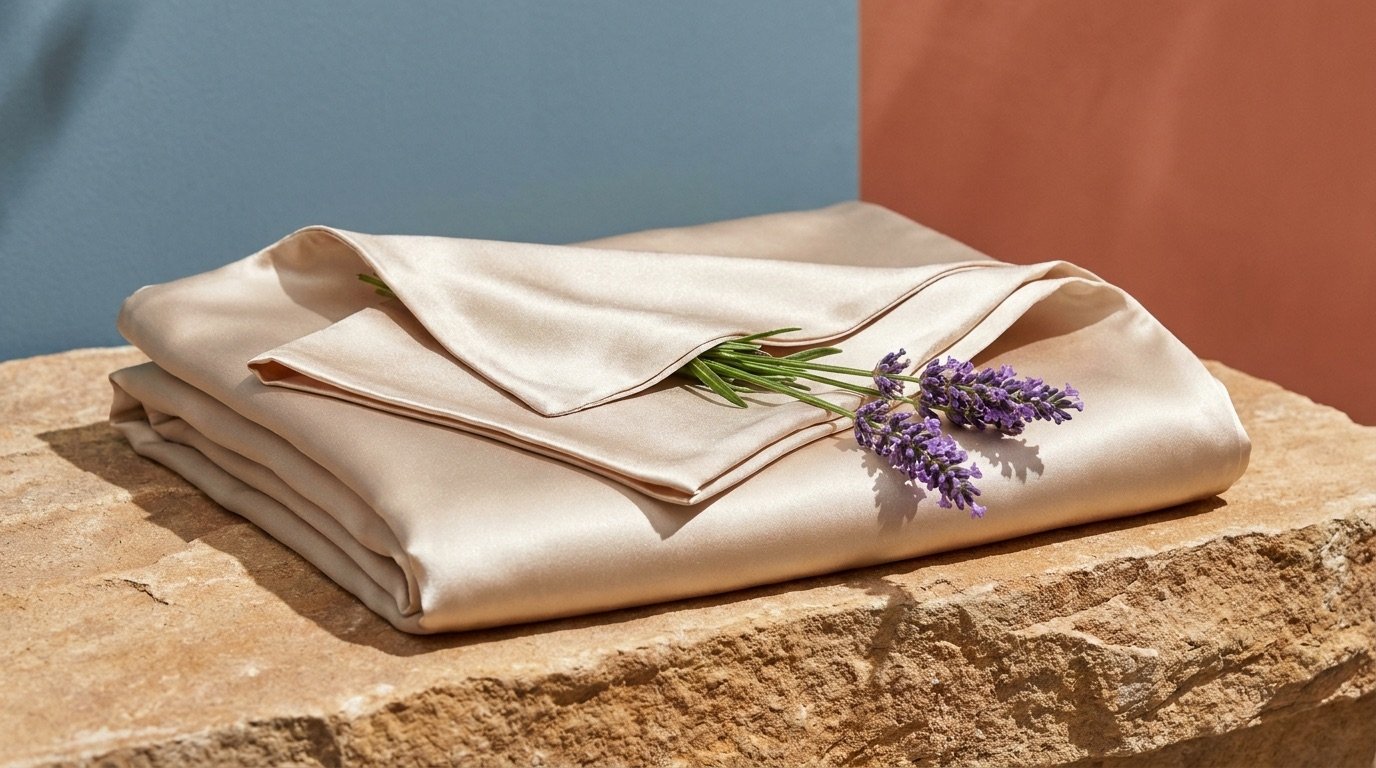
Mulberry silk just means silk from silkworms fed only mulberry leaves, which makes a longer, smoother, more even fiber than wild silk. It’s the good stuff, and nearly every quality pillowcase uses it.
Momme (it rhymes with “mommy”) is the weight. Think of it as thread count for silk. Higher momme means denser, heavier, longer-lasting silk. The range worth knowing:
| Momme | What it’s good for | Worth paying for? |
|---|---|---|
| 19 | Sleep masks and scarves. Light, cheap, a bit flimsy under a head every night | Only for a mask |
| 22 | Pillowcases and sheets. Durable, smooth, what the good brands sell | Yes, this is the one |
| 25 to 30 | Heavier and more hard-wearing, with a price to match | Lovely, not necessary |
Below 19 momme you’re buying something that will wear through. Above 25 you’re paying for weight you won’t notice on a pillow.
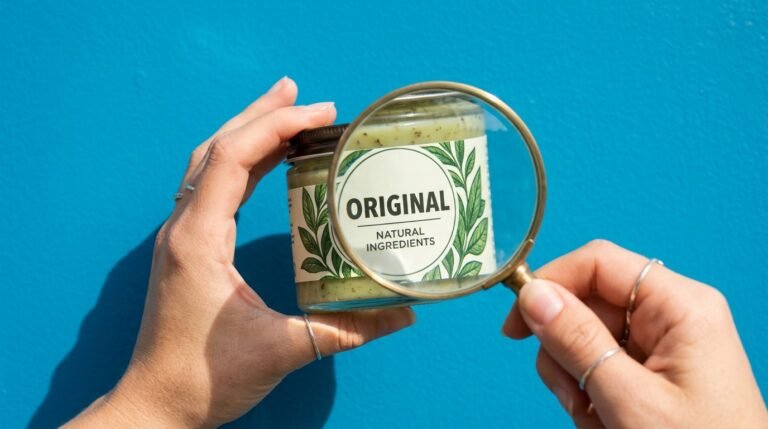
You’ll also see “grade 6A” stamped on everything. It’s meant to signal the top fiber grade, but no independent body polices the term, so brands apply it freely. Treat it as a hint, not proof. Momme and a real certification tell you more.
So the whole buying decision comes down to two things you can check on any product page: is it 22 momme, and does it carry an OEKO-TEX certification. Everything else on the label is decoration. Our GOTS versus OEKO-TEX explainer covers what that mark does and doesn’t prove.
Silk and your hair: what’s real, what’s hype
The defensible benefits come down to friction and temperature. Cotton is absorbent and slightly rough at the fiber level. It tugs at hair, presses creases into skin, and drinks up the moisturizer you put on before bed. Silk is smoother and less absorbent, so hair slides instead of snagging, and your skincare stays on your face instead of soaking into the pillow.
That’s the honest list. Smoother hair in the morning, fewer sleep creases, a cooler surface in summer, and a style that holds a little longer. All real, all nice, none of them medical.
What silk can’t do is change your skin, stop aging, or fix a hair condition. If a product page promises that, it’s leaning on your hopes, not the evidence. We’re careful with these claims for the same reason we are about skincare marketing.
Is silk actually sustainable? The honest answer
Here’s where we split from most silk roundups. They call silk “eco-friendly” and move on. It’s more tangled than that.
The good news is real. Silk is natural, biodegradable, and sheds no microplastics, unlike the polyester “silk” knockoffs that shed plastic into your wash every cycle. A well-made silk pillowcase also lasts years, and the longest-lasting version of anything is usually the greener buy.
The uncomfortable part: conventional silk is not cruelty-free. To keep the thread unbroken, the silkworm is killed inside its cocoon, usually by boiling or steaming it. By most estimates it takes a few thousand cocoons to make a single pound of silk. There’s a gentler version, called peace silk or Ahimsa silk, where the moth is left to leave the cocoon first, but it’s rare, costs more, and is still debated. If that’s a dealbreaker, silk isn’t your fabric, and that’s a completely fair line to draw.
Then there’s processing. Turning cocoons into cloth is energy and water hungry, enough that some sustainability scoring tools rank silk worse than synthetics on raw impact. Natural doesn’t automatically mean low-footprint.
So what can you trust? Almost none of the “sustainable silk” language is certified. What you can verify is OEKO-TEX Standard 100, which confirms the silk was tested for harmful substances. That’s a health check, not a planet one, and worth having either way. If a brand claims more, ask to see the certificate. We walk through that exact move in our greenwashing guide.
How to shop for silk without overpaying
A few checks save you from paying luxury money for average silk, or average money for junk.
Look for 22 momme or higher. Below that, you’re getting a lightweight fabric that won’t survive nightly use. Confirm it says 100% mulberry silk, not “silk blend” or “satin,” which is usually polyester wearing silk’s name. Check for OEKO-TEX Standard 100 if a non-toxic fabric matters to you. Then sanity-check the price: a 22-momme standard pillowcase runs roughly $30 to $60 from most honest brands. Past $100, you’re mostly paying for the label.
One more thing. Buy from somewhere with a real return window. Silk is a feel thing, and if it turns up thin or cheap-slippery, you’ll want to send it back.
Which mulberry silk is worth buying
We won’t pretend one brand wins for everyone. Here’s how the options worth considering stack up, then a few notes on who each is really for.
| Brand | Momme | OEKO-TEX 100 | Pillowcase | The honest read |
|---|---|---|---|---|
| Quince | 22 | Yes | ~$40 | Cheapest real silk, shaky brand ethics |
| Promeed | 22 to 23 | Yes | ~$30 to $38 | Widest range beyond the pillowcase |
| Fishers Finery | 19 to 30 | Yes | ~$40 to $60 | Heavier silk without the premium |
| Mulberry Park Silks | 19 to 30 | Yes | from ~$55 | Weight options, well made |
| Brooklinen | 22 | Yes | ~$59 | Easy if you already shop there |
| Blissy | 22 | Yes | ~$100 | Big following, premium price |
| Slip | 22 | Not stated | ~$120+ | The original, if money’s no object |
The cheapest real silk comes from Quince, around $40 for a 22-momme, OEKO-TEX certified pillowcase. The silk itself is fine. The brand is the catch: ethical-fashion reviewers have repeatedly flagged Quince for thin supply-chain transparency, so if a company’s ethics factor into your decision, go in with your eyes open.
Silk beyond the pillowcase: Promeed
Most brands here only make pillowcases. Promeed is the one that lets you try silk across your whole routine without a premium price, and its silk is OEKO-TEX Standard 100 certified. If you’re testing the water, the 23-momme silk pillowcase is the place to start, around $38. The silk sleep mask is the cheapest way to feel the difference at around $29, and it’s an easy gift. There’s a silk hair wrap with a hyaluronic-acid lining for keeping curls and blowouts smoother overnight, around $69, and a clever silk pillow towel that lays over a pillow you already own, around $27, handy for guest rooms and travel. None of it is trying to be a luxury name. For getting into silk, that’s the point.
Want more heft or a choice of weights? Fishers Finery and Mulberry Park Silks both do heavier 25 to 30 momme silk with OEKO-TEX certification, from around $55, without boutique pricing. Set on a big name? Blissy is 22-momme, OEKO-TEX certified, and has a huge review base, but you’re paying about $100 for the same momme Quince sells at $40. Slip is the original silk pillowcase and the priciest, and it doesn’t clearly publish OEKO-TEX certification, which is an odd gap at $120-plus.
Caring for your silk
Silk lasts for years if you treat it gently. Cold water only. A mild or silk-specific detergent, and no bleach. Hand wash it, or use a mesh bag on the delicate cycle. Never wring it. Press the water out, then lay it flat or hang it to dry out of direct sun. Skip the tumble dryer. That’s the whole routine, and it’s the difference between silk that lasts five years and silk that pills in five washes.
Frequently asked questions
Is mulberry silk worth the money?
For the feel and for gentler treatment of your hair, yes, if you buy smart. A 22-momme, OEKO-TEX certified pillowcase in the $30 to $60 range gives you everything the $120 versions do. Just don’t buy it expecting skincare results. It’s a comfort upgrade, not a treatment.
What momme is best for a silk pillowcase?
22 momme is the sweet spot for most people: durable, smooth, and widely available. 25 to 30 momme feels heavier and lasts longer if you want to spend more. Anything under 19 momme is too light for nightly use.
Does peace silk actually spare the silkworm?
Mostly, yes, and that’s the difference. Conventional silk is not cruelty-free; the silkworm is killed inside its cocoon during processing. Peace silk, also called Ahimsa silk, lets the moth emerge first. It’s rarer and pricier, so if cruelty-free matters to you, look for it by name, or choose a plant-based fabric instead.
How do you wash a silk pillowcase?
Cold water, a mild or silk-specific detergent, no bleach. Hand wash or use a mesh bag on the delicate cycle, never wring it, and lay it flat or hang it to dry away from direct sun. Skip the dryer.
Should you buy Quince silk?
The silk is legit: 22 momme, 100% mulberry, OEKO-TEX certified, and cheap at around $40. The reservation is the brand, not the fabric. Quince has been criticized repeatedly for weak supply-chain transparency, so weigh that if brand ethics matter to you.
Can a silk pillowcase really help your hair?
It helps with friction, which is real. Less tugging means fewer tangles and a style that holds a little longer. What it won’t do is repair damage or change your hair’s health. Think fewer knots in the morning, not a treatment.