
Wild
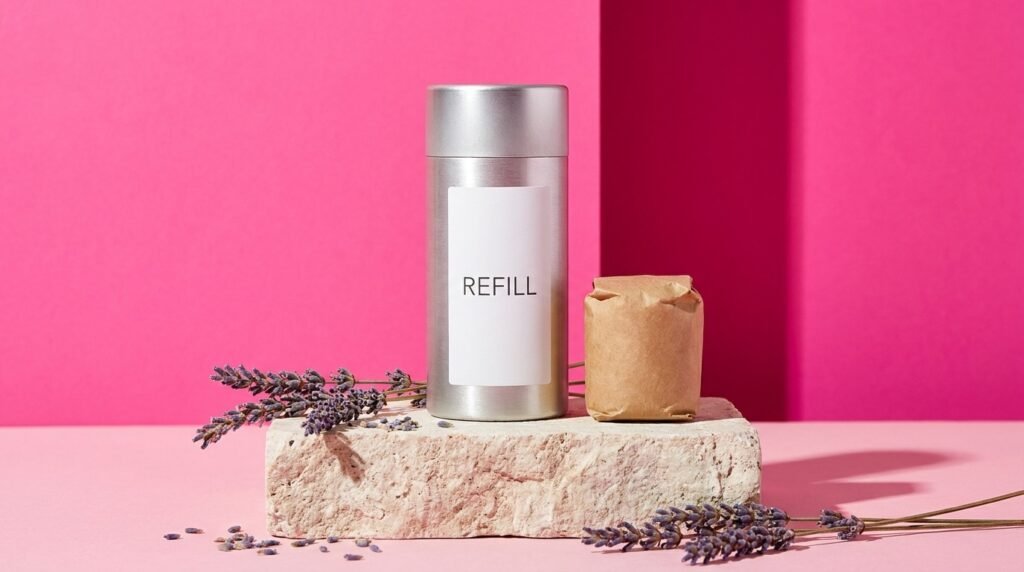
Quick verdict: Most deodorant is a plastic stick you use up and throw away, roughly six times a year, forever. Wild’s answer is a case you buy once and refills that arrive in compostable wrappers inside a cardboard box, and it’s the cleanest solution to that problem anyone has built. It’s a B Corp, it’s cheap, and the formula works well enough for a normal day. In April 2025 Unilever acquired it, and that’s the part you have to weigh. Our rating: 3.6 out of 5.
Who they are
Freddy Ward and Charlie Bowes-Lyon started Wild in London in 2019 around one observation: the deodorant is a small part of the product, and the case is most of the waste. Buy the case once, refill it indefinitely, and the packaging problem largely goes away.
It grew fast, raised venture funding, and in April 2025 was acquired by Unilever, which also owns Schmidt’s, Dove and Axe.
We say that plainly because our guides make a point of asking who owns a label. It isn’t a conduct problem: Unilever is a mainstream consumer goods company, not a bad actor, and nothing about the formula or the refill system changed on acquisition. But Wild is no longer independent, and the rating carries that.
What they get right
The refill system solves the packaging problem outright, rather than reducing it slightly. One case, compostable refill wrappers, cardboard shipping. Over a year the difference against a plastic stick is large and easy to picture.
B Corp certification, which the brand held before the acquisition and still holds.
It’s cheap. Refills cost less than most natural deodorant sticks, so the low-waste choice is also the low-cost one, which is rarer than it should be.
Aluminum-free and plant-based, with a short ingredient list.
Where they fall short
The ownership is the headline caveat. If your reason for buying natural deodorant is to route money away from the conglomerates whose conventional products fill the shelf, Wild no longer does that. Each & Every and Salt & Stone remain independent.
Performance is good rather than exceptional. It handles a normal day and gets average under real heat or exertion, which is the usual aluminum-free tradeoff.
The seasonal scent rotation is charming until the one you liked is discontinued. And the case, while reusable, is still a manufactured object; the win only accrues if you actually keep it for years.
What they sell and what it costs
Refillable deodorant cases in aluminum or recycled plastic, deodorant refills, plus lip balm, body wash and hand wash. A case and refill starter is typically $12 to $20, with refills a few dollars each.
Who it’s actually for
Anyone whose priority is packaging waste, on a budget, who is comfortable buying from a Unilever-owned brand. On the waste question specifically it’s still the best answer in the category.
If independence is the thing you’re shopping for, buy Each & Every or Salt & Stone instead and accept more packaging.
Deals and discounts
No affiliate program on our side, so nothing here earns us anything.
Related reading
- 9 Natural Deodorants That Survive a Full Day
- 8 Zero-Waste Bathroom Swaps That Last
- How to Spot Greenwashing: 4 Tactics Brands Still Use
Frequently asked questions
Who owns Wild deodorant?
Unilever, which acquired the brand in April 2025. Before that it was independent, founded in London in 2019 and venture-backed. The formula, the refill system and the B Corp certification carried through the acquisition unchanged, but the money now goes to a multinational, and if that’s what you were avoiding, it matters.
Are Wild refills actually compostable?
The refill wrapper is, and it goes in a home compost or food waste bin. The case is designed to be kept and refilled rather than composted, and the shipping packaging is cardboard. The saving depends on you keeping the case, so it’s a system that only works if you stick with it.
Does Wild deodorant work?
For a normal day, yes. It’s a deodorant rather than an antiperspirant, so it controls odor rather than stopping sweat, and under heat or hard exertion it’s average rather than outstanding. If you sweat heavily, Salt & Stone holds up longer.
Is Wild still a B Corp after the Unilever acquisition?
It is. B Corp certification survives a change of ownership, though the certification covers Wild as an entity rather than Unilever as a whole, which is a distinction worth holding onto when a certified brand sits inside an uncertified parent.