The Best Natural Makeup Brands That Actually Perform
Clean makeup used to mean a compromise. Chalky foundations, blushes that vanished by lunch, mascaras that flaked down your face by 3pm. So a lot of people decided “natural” and “actually works” couldn’t live in the same bag, and went back to whatever the drugstore was selling.
That gap has closed. The best natural makeup brands now outperform plenty of conventional stuff, and they do it without the ingredients you’d rather not press into your skin all day.
If you want the short version: Ilia is where we’d send most people, and its Super Serum Skin Tint at $48 is the single product that converts the most skeptics. On a tighter budget, Well People does the same job for $30 and is the only brand here that’s EWG Verified.
Because that’s the thing about makeup: you wear it on your face for hours, reapply it, and sometimes eat a little of your lipstick without meaning to. Conventional formulas can carry talc, synthetic fragrance, certain parabens, and coloring agents you’d recognize from our guide to the ingredients worth avoiding. Clean makeup leaves those out and, increasingly, adds skincare that actually treats your skin while you wear it.
So here’s how we picked. Four things had to line up:
- Clean ingredients: no talc, no synthetic fragrance, no worrisome preservatives.
- Skin-friendly formulas: the kind that often double as skincare.
- Ownership: checked and named for every brand here, parent company or not.
- Real performance: it had to hold up through an actual day.
These made the cut.
Our picks at a glance
- Best overall: Ilia
- Best skincare hybrid: Kosas
- Best minimal ingredients: RMS Beauty
- Best botanical pick: Ere Perez
- Best everyday value: Well People
- Best for transparency: 100% Pure
| Brand | Start with | Certifications | Ownership |
|---|---|---|---|
| Ilia | Super Serum Skin Tint SPF 40, $48 | Leaping Bunny, 1% for the Planet | Famille C, since 2022 |
| Kosas | Revealer Concealer, $32 | None held | Independent, outside investment since 2017 |
| RMS Beauty | UnCoverup Concealer, $42 | None held | Highlander Partners (PE, majority) |
| Ere Perez | oat milk foundation, $44 | None held | Independent |
| Well People | Bio Tint SPF 30, $30 | EWG Verified, Leaping Bunny | e.l.f. Beauty, since 2020 |
| 100% Pure | Water Foundation, $48 | None held | Independent, founder-owned |
Prices checked on each brand’s own storefront on August 19, 2026, full price rather than whatever sale was running. Well People’s own bestseller list now puts its Skinforia Serum Foundation ($30) ahead of Bio Tint, so either is a reasonable entry point.
Ilia: the skin-first one everyone copies
Best for: the effortless, skin-first, no-makeup makeup look | Price: $26–$75 | Start with: Super Serum Skin Tint SPF 40, $48 | Certifications: Leaping Bunny, 1% for the Planet | Ownership: owned by Famille C (since 2022)
If clean makeup has a flagship, it’s Ilia. The brand more or less invented the “skin-first” category, tinted serums and skin-tints that even out your complexion while treating it, built on clean formulas and undertone-mapped shade ranges that actually reach deep and extra-deep skin. The Super Serum Skin Tint and the mascara are the pieces people repurchase on loop.
It sits in the premium range, and the coverage is sheer-to-medium by design, so it’s not the pick if you want full glam. But for a lit-from-within, my-skin-but-better look from a clean formula, nothing here is more polished.
One thing worth knowing, because Ilia doesn’t put it on the box: since February 2022 the brand has been majority-owned by Famille C, the Courtin-Clarins family holding company, with Clarins holding a minority stake directly. Founder Sasha Plavsic kept a stake and stayed on. It’s the same family behind Pai. That doesn’t change the formulas, and we’d still recommend it. It does change the answer to “is this an independent brand,” which is a question a lot of people buying clean beauty think they’re answering when they pick it.
Kosas: makeup that behaves like skincare
Best for: makeup that treats your skin as it wears | Price: $24–$42 | Start with: Revealer Concealer, $32 | Ownership: independent, founder-controlled (outside investment since 2017)
Kosas built its whole line on the idea that makeup should nourish, not just cover. Its formulas use food-grade and certified-organic ingredients, skip GMOs, parabens, and phthalates, and lean on active skincare so the base actually improves your skin over time. The Revealer concealer and the cream blushes have earned genuine devotion.
The finish leans dewy and natural, which is the point, though matte-lovers may want to set it. For color cosmetics that feel like a skincare step, Kosas is the one to beat. The brand also makes a deodorant that uses acid instead of baking soda, which is a much gentler way to handle odor. We took it apart in our Kosas Chemistry profile.
RMS Beauty: the clean-makeup original
Best for: the most minimal ingredient lists and the original clean-girl glow | Price: $27–$55 | Start with: UnCoverup Concealer, $42 | Ownership: majority-owned by private equity firm Highlander Partners (since 2021)
Before “clean beauty” was a marketing category, there was RMS Beauty. Founded by a veteran makeup artist, it’s built on raw, food-grade, organic ingredients, and the “Un” Cover-Up and the luminous cream pots practically defined the dewy, lived-in glow everyone chases now. It’s the purist’s pick. One thing the brand’s own site doesn’t mention: Dallas private equity firm Highlander Partners bought a majority stake in 2021, and founder Rose-Marie Swift stayed on in a creative role.
The cream formats take a little finger-blending to learn, and coverage is light. But for the most minimal ingredient lists and that original clean-girl glow, RMS is the reference point.
Ere Perez: botanical formulas, carbon-neutral company
Best for: plant-powered makeup from an ethics-first brand | Price: $43–$63 | Start with: oat milk foundation, $44 | Ownership: independent
Ere Perez works plant ingredients into everything, carrot, avocado, chamomile, beetroot, and turns them into makeup that performs. The brand is carbon-neutral and about as values-forward as it gets, and the multi-use sticks and the natural mascaras are the standouts. It’s the pick for people who want botanicals doing the heavy lifting.
The color range is more focused than encyclopedic, and availability is better online than in stores. But for truly plant-powered makeup from an independent, ethics-first brand, it’s a favorite for a reason.
Well People: the clean everyday workhorse
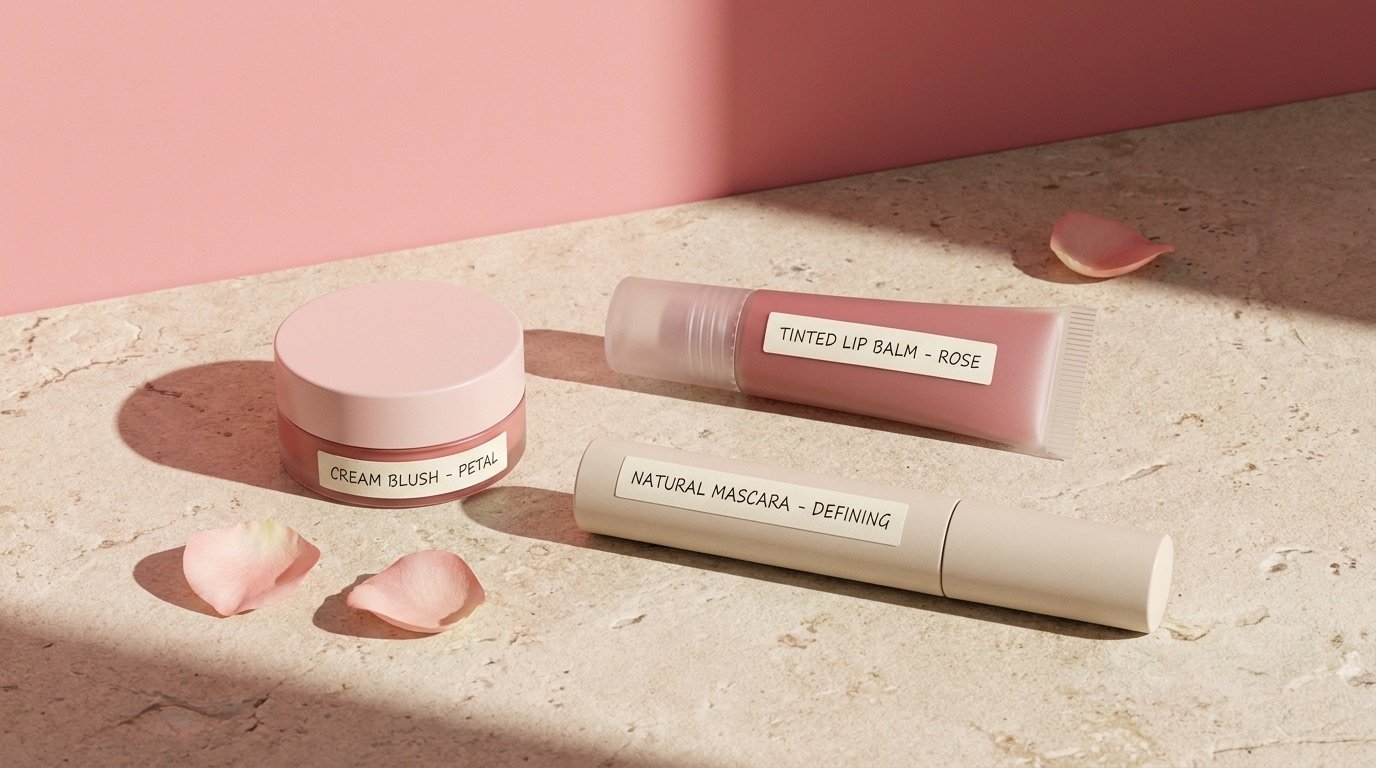
Best for: an everyday routine that just needs to be clean and reliable | Price: $15–$28 | Start with: Bio Tint SPF 30 Tinted Moisturizer, $30 | Certifications: EWG Verified, Leaping Bunny | Ownership: owned by e.l.f. Beauty (since 2020)
For clean makeup you reach for without thinking, Well People is the dependable everyday pick. The plant-based formulas lean on organic aloe, chamomile, and green tea, the range covers the whole face without the price climbing, and the tinted products in particular punch above their cost. You can see the full rundown in our Well People brand profile, and shop the range on their own site.
It’s not the most exciting brand on this list, and that’s sort of the point. It’s a clean, affordable, verified line you can restock without overthinking.
100% Pure: fruit-pigmented and radically transparent
Best for: fruit-pigmented color and full transparency | Price: $24–$49 | Start with: Fruit Pigmented Full Coverage Water Foundation, $48 | Ownership: independent, founder-owned since 2005
100% Pure does something almost no one else does: it colors much of its makeup with pigments from actual fruit and vegetables instead of synthetic dyes. The brand is unusually open about its ingredients, sourcing, and process, and the range is huge, from foundations to a seriously fun lineup of fruit-pigmented lip and cheek color.
Fruit pigments can wear a little differently than synthetic ones, so some shades are more true-to-life than others. But for transparency and a truly different approach to color, 100% Pure stands alone.
Five things worth checking on a label
“Natural” has no legal definition. The word on the front does nothing. The list on the back does. Five things are worth knowing by name, and only two of them are what people expect.
Talc, unless the brand tests it. Talc and asbestos form in the same rock, so contamination is a mining problem rather than a formulation one. The FDA proposed mandatory testing and then withdrew the proposal, which means testing is voluntary. Brands that do it will tell you. We went through where the asbestos testing actually stands, and talc-free is the easy route if you’d rather not track it.
Lead in lip products. Nobody adds it. It arrives as a contaminant in the color pigments. FDA testing across 400 lip products found it averaging around 1 ppm. That’s a smaller story than the headlines and it’s still the reason to buy lip color from brands that publish their testing.
The word “fragrance” or “parfum.” One word can legally stand in for dozens of undisclosed ingredients. Europe now requires more than 80 fragrance allergens to be named on a label. The US requires none. In makeup, which sits on your face all day, this is the single easiest thing to avoid.
Then there’s mica. Different problem entirely. It’s the shimmer in most eyeshadows and highlighters, and it isn’t a safety question at all. It’s a child labor question, and synthetic fluorphlogopite, which is mica made in a lab, sidesteps it entirely.
And the hormone-disruption worry, which is real but narrower than the internet suggests. Our rundown of endocrine disruptors in cosmetics covers which ones have evidence behind them and which are guilt by association.
What we left off, and why
You won’t see some of the biggest “clean” makeup names here, and retailer badges are the main reason. A store’s clean label sets its own rules, which are looser than they sound, so a brand can qualify while still using ingredients a stricter standard would exclude. Treat those badges as a starting filter, not proof.
Ownership is the other reason, though not the one people expect. A parent company doesn’t get a brand struck off this list. It gets disclosed. Two of the six picks above have one, and both are named in their spec lines. What we won’t do is let you assume a brand is independent when it isn’t, because that assumption is doing a lot of quiet work in the clean-beauty aisle. Our greenwashing guide covers how the label games work.
One thing no brand on this list has fully solved: mica. It’s the mineral behind almost every shimmer finish in makeup, a lot of it is mined by children in India, and the industry’s fix is a decade old and still incomplete. It’s the reason we weight what a brand says about sourcing as heavily as what it says about ingredients.
How to actually choose one
Don’t start with the brand. Start with the look you actually wear.
If you want glowy, minimal, my-skin-but-better, Ilia or RMS. If you want makeup that treats your skin as it wears, Kosas. If botanicals and ethics lead your decision, Ere Perez. If you just want a reliable clean everyday face at a fair price, Well People. And if transparency and a different kind of color excite you, 100% Pure.
One rule that saves money and skin: buy the base first. A clean skin tint or foundation touches the most surface area and stays on longest, so it’s where switching to a clean formula matters most. Build out the color pieces from there.
Frequently asked questions
What ingredients should I avoid in makeup?
Start with talc, which can carry asbestos from the deposit it was mined from, synthetic “fragrance” or “parfum” (a catch-all that can hide dozens of ingredients), certain parabens, and some synthetic dyes. Long-wear and waterproof formulas can also contain PFAS. A short ingredient list and skin-friendly actives are good signs, and third-party context like EWG ratings helps you compare. Trace lead in lipstick gets more attention than it deserves, so don’t let it crowd out the bigger questions.
Does natural makeup actually last as long as conventional?
The good ones, close to it. Clean formulas have improved enormously, and picks like Ilia and Kosas wear through a normal day well, though very long-wear or transfer-proof conventional makeup still has an edge for all-day events. A setting spray or powder closes most of the gap, and the skincare benefits are a fair trade for the rare touch-up.
Is “clean at Sephora” the same as non-toxic?
Not exactly. Retailer “clean” badges set their own criteria, which are usually looser than an independent standard, so a product can earn the badge while still containing ingredients a stricter list would exclude. It’s a useful first filter, but read the actual ingredients rather than trusting the badge alone.
Natural, clean, organic: what’s the difference?
None of the three is regulated. Start there. In practice “natural” implies plant-derived ingredients, “clean” implies a brand’s own exclusion list of ingredients it won’t use, and “organic” is the only one that can be backed by a real certification, usually COSMOS or USDA. A brand calling itself clean is telling you what it left out. It isn’t telling you who checked.
Is mineral makeup the same as natural makeup?
Not quite. Mineral makeup means the color comes from ground minerals like iron oxides, titanium dioxide and mica rather than synthetic dyes, which is a formulation choice rather than a safety guarantee. Plenty of mineral makeup is excellent. It can also still contain talc, synthetic fragrance, or preservatives you were trying to avoid, so the label is a starting point rather than an answer.
Where should I start if I’m switching to natural makeup?
Start with your base: a clean foundation or skin tint. It covers the most skin and stays on the longest, so it’s where clean ingredients matter most, and skin-first formulas like Ilia’s double as skincare. Then replace your most-used color pieces (concealer, blush, mascara) as your current ones run out.
Related reading
Want the detail behind these picks? We’ve written up talc and where the asbestos testing actually stands, what FDA’s lead testing found and why the lipstick panic aimed at the wrong product, and mica, child labor and the shimmer in your eyeshadow. For the hormone side, see endocrine disruptors in cosmetics.
Cleaning up the rest of your routine? See our roundup of the best non-toxic skincare brands, and if you want the full list of what to avoid, start with our guide to the skincare and personal-care ingredients worth skipping.