Natural Toothpaste With Fluoride: Is That a Contradiction?
Can a toothpaste be natural and still have fluoride in it?
A lot of natural brands have quietly answered no, and the aisle has followed. Most of the toothpastes sold as clean are now fluoride-free, and fluoride itself has been in the news all year.
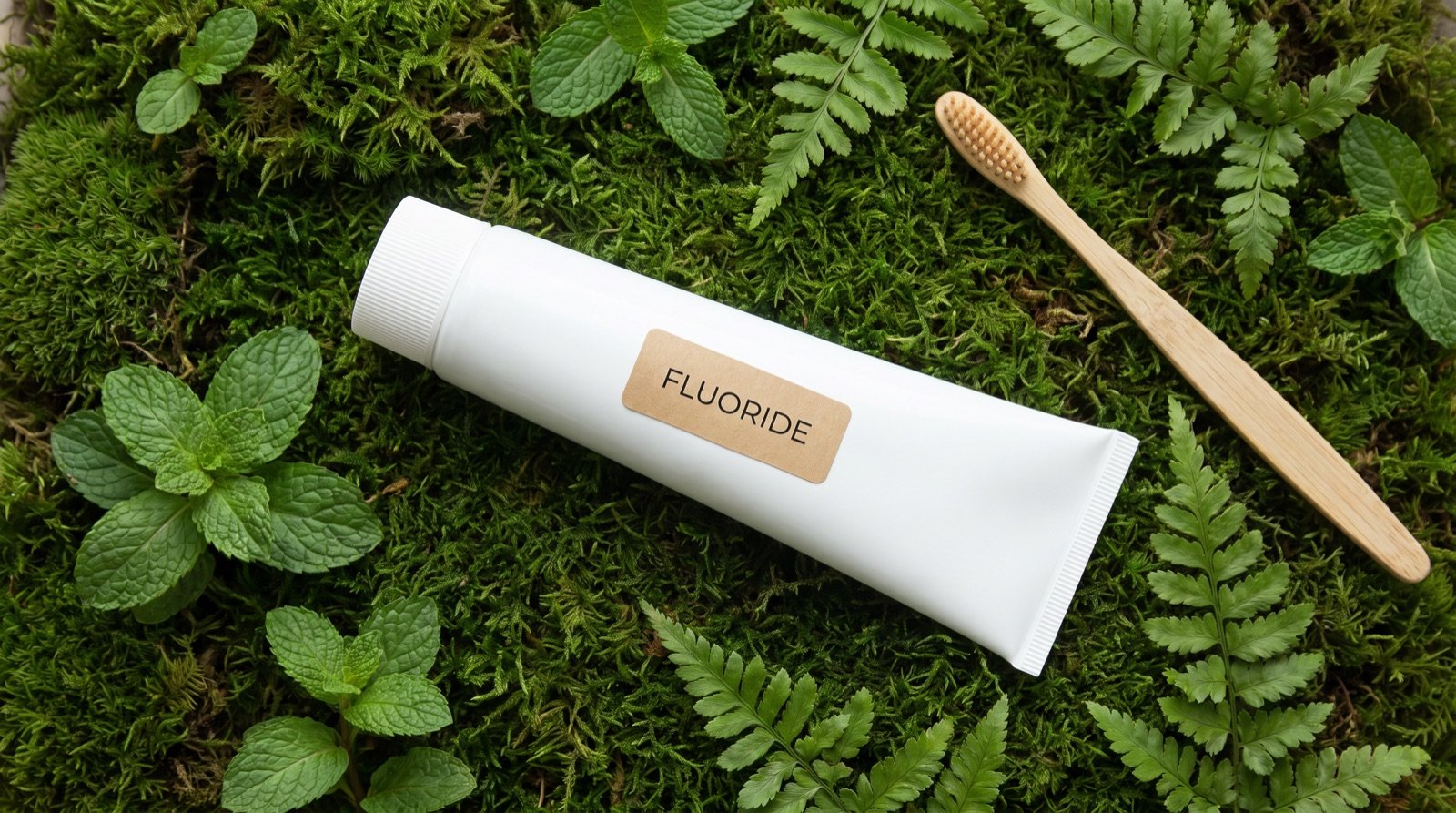
Short answer: It’s not a contradiction. Fluoride is a mineral, and it’s the best-studied cavity fighter in toothpaste. The 2024 and 2025 headlines are about fluoride in drinking water at levels above what US systems use, and the federal actions that followed explicitly left toothpaste alone. The real toothpaste risk is young kids swallowing too much. A handful of natural brands still sell a fluoride paste: Tom’s of Maine, hello, JĀSÖN and Bite.
Why fluoride is in toothpaste at all
Here’s the evidence in one line. A 2019 Cochrane review of 96 studies found fluoride toothpaste at standard strengths prevents more cavities in children and teens than fluoride-free toothpaste, with a smaller benefit in adults, and that stronger pastes add a slight extra benefit.
That’s why the American Dental Association requires it. Every toothpaste carrying the ADA Seal with a cavity-protection claim must contain fluoride.
And it’s why the FDA treats it as a drug. Under the federal rules for anticavity toothpaste, a fluoride paste generally carries 850 to 1,150 ppm of fluoride, from one of three sources:
- Sodium fluoride, the most common one
- Sodium monofluorophosphate, which shows up on many natural labels as “MFP”
- Stannous fluoride, which also fights gum inflammation and can stain
What the fluoride headlines are about
You may have heard that fluoride lowers IQ. The research behind that is about water, and the dose matters a lot.
In August 2024, the National Toxicology Program concluded with moderate confidence that fluoride exposure above 1.5 mg per liter is linked to lower IQ in children. That’s more than double the 0.7 mg/L the US recommends for community water, and the NTP said it didn’t have enough data to judge the lower level. A 2025 meta-analysis in JAMA Pediatrics reviewed 74 studies, 52 of them at high risk of bias, and found no link below 1.5 mg/L in its main analysis of drinking water.
Then the policy moves. In May 2025, the FDA began removing ingestible fluoride supplements for children from the market, and its announcement drew the line itself: unlike toothpaste with fluoride or fluoride rinses. Utah and Florida banned community water fluoridation in 2025, and as of September 2026 they’re still the only two states to do so.
None of those actions touch toothpaste.
The real risk is how much kids swallow
Toothpaste has its own fluoride concern, and it’s specific: very young children swallowing it while their adult teeth are still forming, which can cause white marks called fluorosis.
The fix is the amount. The ADA recommends a smear the size of a grain of rice from the first tooth until age three, then a pea-sized amount from three to six. But a 2019 CDC survey found more than 38% of kids aged three to six were using half a brush or a full brush.
That’s also why every fluoride toothpaste carries the warning to keep it out of reach of children under six. If you’ve got a toddler who eats toothpaste, a fluoride-free paste for now is a reasonable call, and hydroxyapatite is the alternative with the most research behind it.
Natural brands that still sell fluoride
Not many. We checked each brand’s own site for a fluoride toothpaste on sale right now.
Tom’s of Maine is the classic. Its Whole Care Peppermint with Fluoride is $7.99, and there are kids’ anticavity versions too. Colgate-Palmolive bought 84% of the company in 2006. One thing to know: in November 2024 the FDA sent Tom’s a warning letter after inspectors found bacteria in water used at its Maine plant and in a batch of a kids’ anticavity paste.
hello sells a whipped peppermint fluoride toothpaste alongside its fluoride-free range. Colgate bought hello in 2020. Its kids’ fluoride-free pastes are the subject of a pending class action alleging lead and mercury, which is an allegation and hasn’t been decided.
JĀSÖN’s PowerSmile Anti-Cavity uses sodium monofluorophosphate. It’s a Hain Celestial brand, sold through retailers rather than its own store.
Bite is the plastic-free option. Its Toothpaste Bits with Fluoride are chewable tablets in a glass jar, also using sodium monofluorophosphate.
Notice the pattern? Two of the four are owned by Colgate. If you want an independent natural brand with fluoride, Bite is the one we found. Davids, Desert Essence, Kiss My Face and Native are fluoride-free across the board, and Schmidt’s doesn’t sell toothpaste anymore.
What we’d actually do
In my opinion, the fluoride question has been framed badly. It’s not natural versus chemical. It’s which active ingredient you want protecting your enamel, and fluoride has the longest track record by decades.
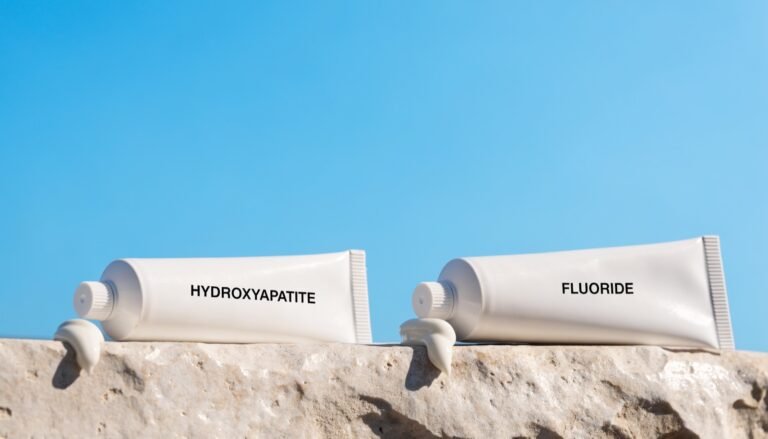
So if you’re an adult with no reason to avoid it, a natural fluoride toothpaste is a solid default. If you’re cavity-prone, it’s the one we’d pick. If you’d rather skip fluoride, hydroxyapatite is the alternative with real trials behind it, and we’ve compared the two head to head. Either way, the amount on the brush matters more than most of the label.
Frequently asked questions
Is there a natural toothpaste with fluoride?
Yes. Tom’s of Maine, hello and JĀSÖN all sell fluoride toothpastes, and Bite sells fluoride toothpaste tablets. Most other natural brands are fluoride-free.
Is fluoride in toothpaste safe?
For adults and older kids using the recommended amount, yes. The 2024 NTP finding on IQ concerned fluoride exposure above 1.5 mg/L, mainly from drinking water, and the FDA’s 2025 action on fluoride supplements explicitly excluded toothpaste. For young children, the ADA recommends a rice-grain smear under age three and a pea-sized amount from three to six.
Why do natural toothpastes leave out fluoride?
Mostly customer demand. Many shoppers want to avoid it, and brands have followed. It isn’t because fluoride is synthetic or unsafe at toothpaste levels.
What’s the difference between sodium fluoride and sodium monofluorophosphate?
Both are FDA-approved fluoride sources for anticavity toothpaste. Sodium fluoride is the most common. Sodium monofluorophosphate, often shortened to MFP, is used in many natural brands’ fluoride pastes and works with a wider range of other ingredients.
Should I use hydroxyapatite instead of fluoride?
Randomized trials have found hydroxyapatite non-inferior to fluoride for preventing cavities, though most were funded by one manufacturer. Fluoride has decades more evidence. Hydroxyapatite is the stronger choice for young children who swallow toothpaste.
Related reading
The rest of this series: is nano-hydroxyapatite safe and does hydroxyapatite toothpaste whiten teeth. For vetted picks, see the best hydroxyapatite toothpastes and the best natural toothpastes. We’ve also covered why SLS is in toothpaste.
Sources: Walsh et al., Cochrane review, 2019. American Dental Association, Toothpastes. 21 CFR Part 355. National Toxicology Program, Fluoride monograph, 2024. Taylor et al., JAMA Pediatrics, 2025. US FDA, May 2025 announcement. ADA News, Florida fluoridation ban, 2025. Thornton-Evans et al., MMWR, 2019.