Butylene Glycol in Skin Care: Is It Safe?
Two molecules get confused constantly, and one of them really will kill your dog.
Ethylene glycol is antifreeze. It’s sweet, it’s cheap, and it’s the reason vets warn you about coolant spills in the driveway. Butylene glycol is a skincare humectant. Different molecule, different structure, different toxicity, and the only thing they share is the word “glycol,” which just means an alcohol with two hydroxyl groups on it.
That’s the entire basis of the antifreeze claim you’ll find on wellness blogs about butylene glycol. One word, misapplied. Once you know that, the rest of this is straightforward.
It’s worth adding what the regulators do with each. The FDA permits butylene glycol in food, as a solvent for flavorings, at a purity of not less than 99%. Antifreeze does not get that clearance.
Short answer: butylene glycol is safe. The US safety panel cleared it in 1985 and reaffirmed that in 2006, EWG scores it 1 on data it rates as good, and the FDA allows it in food. The real caveat is irritation rather than toxicity, on skin that’s already unhappy, plus a contact allergy that turns up in roughly 1.5% of people who get patch tested.
What it’s doing in the bottle
Butylene glycol, also written 1,3-butanediol, is a small alcohol with two jobs.
It’s a humectant, which means it pulls water toward your skin and holds it there. Glycerin does the same thing, so does hyaluronic acid, and so does propanediol. It’s also a solvent, dissolving ingredients that water alone won’t carry and spreading them evenly through the product.
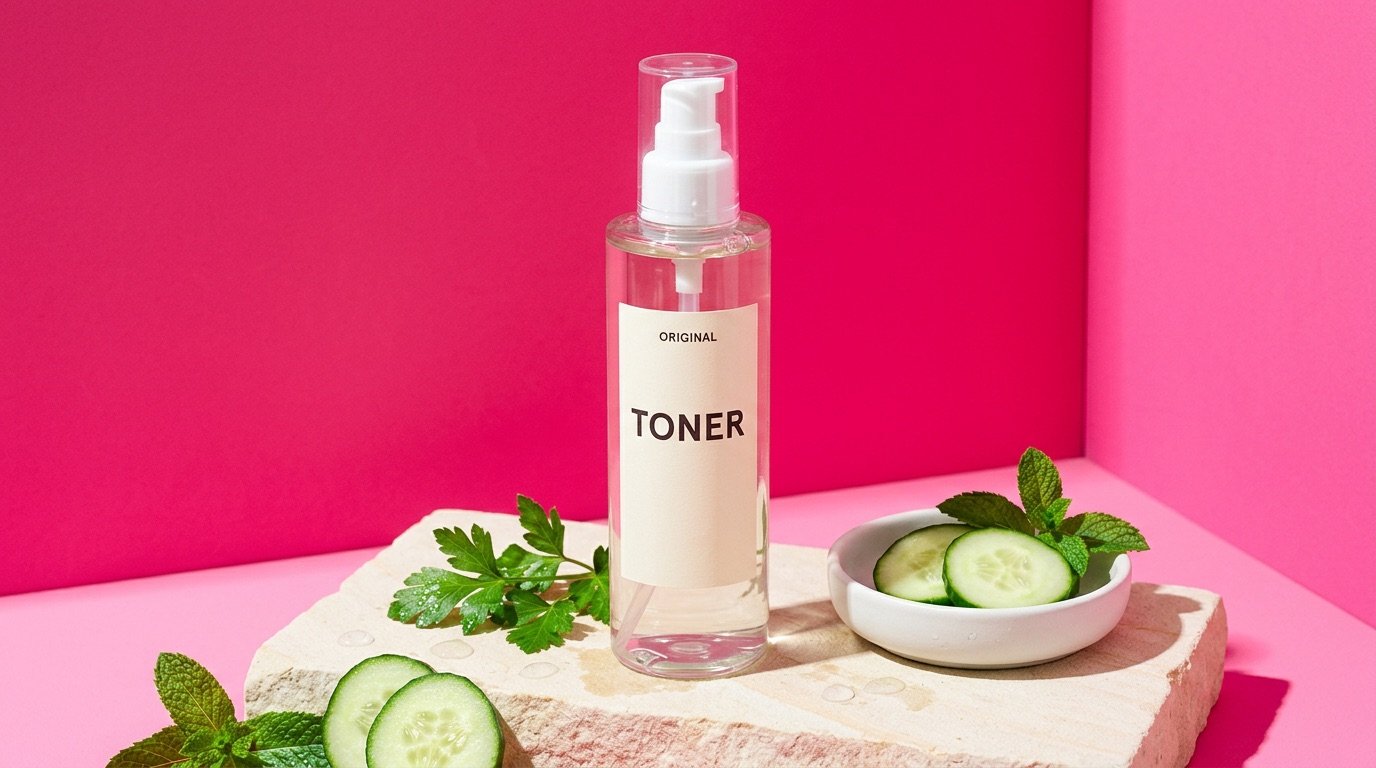
There’s a third thing it does that gets it into a lot of formulas: it makes them feel better. Glycerin is a fine humectant and it’s also sticky. Butylene glycol delivers a similar hydrating effect with a lighter, less tacky finish, which is why it shows up so often in toners, essences, and lightweight serums where a heavy feel would sink the product.
If you’ve ever wondered why a Korean essence feels like water and still leaves your skin plump, this ingredient is a large part of the answer.
What the testing actually showed
The Cosmetic Ingredient Review assessed butylene glycol alongside three related glycols and concluded it’s safe as used in cosmetics.
The specifics are reassuringly boring. Repeated insult patch testing, the standard method for detecting whether an ingredient will sensitize skin over time, turned up no evidence of sensitization. Rabbit skin testing produced minimal to mild irritation. Acute, subchronic, and chronic toxicity studies all pointed the same direction: a low order of toxicity.
EWG’s Skin Deep database scores it a 1, the lowest hazard rating there is, with data availability rated “Good,” which matters more than the score itself. A 1 on thin evidence is a guess. A 1 on good evidence is an answer.
Cancer risk: low. Allergies and immunotoxicity: low. Developmental and reproductive toxicity: low.
The one caveat, and who it applies to
Tucked into that same EWG entry, past the four low ratings, is a single moderate: irritation of skin, eyes, or lungs.
That’s the real story with this ingredient, and it’s a much smaller story than the antifreeze one. Butylene glycol can sting on compromised skin. Not allergy, not toxicity, just irritation, and it shows up in the same people who find alcohol-heavy toners uncomfortable: rosacea, active eczema, a barrier that’s already unhappy from too much exfoliation.
If that’s you, and a toner or essence burns slightly on application, butylene glycol is a reasonable suspect. Not the first one, mind you. Denatured alcohol, essential oils, and acids all beat it for likelihood. But if you’ve ruled those out and the product still bites, this is worth checking.
For everyone else it’s a non-issue, and swapping to a “butylene glycol free” product at twice the price buys you nothing.
The verdict
| Quick facts | Butylene glycol |
|---|---|
| Also written | 1,3-butanediol, or just BG |
| What it does | Humectant and solvent, with a lighter finish than glycerin |
| Typical use | Roughly 1% to 10%, depending on the job it’s doing |
| Safety review | Cosmetic Ingredient Review, safe as used, 1985 and reaffirmed 2006 |
| EWG score | 1, the lowest, on data availability rated good |
| Also allowed in | Food, as a flavor solvent, at 99% purity or better |
| The real caveat | Moderate irritation risk, plus allergy in about 1.5% of patch-tested patients |
Use it. This is one of the most-studied, least-interesting ingredients in your bathroom, and the fear attached to it is a naming coincidence rather than a finding.
If you want a rule of thumb for the wider category: the glycols in skincare are mostly fine, they mostly do the same job, and the differences between them are about texture rather than safety. Methylpropanediol, propanediol, propylene glycol, butylene glycol. Same family, same function, and the one with the worst reputation is usually just the one with the most searchable name.
The exception in that group is propylene glycol, which carries a much heavier contact-allergy record. One clinic patch tested 893 people for both and found propylene glycol positive in about 6% of them against roughly 1.5% for butylene glycol. So butylene glycol allergy is real. It’s just about four times rarer.
The cross-reaction is lopsided too, which is the useful part. Nearly half the people allergic to butylene glycol also react to propylene glycol, while only about one in nine of the propylene-glycol-allergic react to butylene glycol. Reacting to one doesn’t mean you’ll react to the other, and the direction matters.
Frequently asked questions
Is butylene glycol the same as antifreeze?
No. Antifreeze is ethylene glycol, a different molecule with genuine toxicity. Butylene glycol is 1,3-butanediol, used as a humectant in cosmetics and food. They share the word “glycol,” which describes a chemical structure, not a hazard.
Can butylene glycol irritate sensitive skin?
Occasionally, yes. It’s not a sensitizer, so it doesn’t cause true allergic reactions, but EWG rates it moderate for irritation. If your barrier is already compromised by rosacea, eczema, or over-exfoliation, it can sting. Most people with sensitive skin tolerate it fine. Patch test on your inner arm before committing.
Does butylene glycol cause acne?
There’s no evidence that it does, and its water-loving structure is the opposite of the profile that clogs pores. If a product is breaking you out, the oils, butters, and silicones higher up the list are far likelier suspects.
Where does butylene glycol come from?
The version in cosmetics is made industrially, though it can be produced by fermentation from plant sugars rather than from petroleum. Some brands specify a bio-based source. The molecule is identical either way, so the choice affects the product’s footprint rather than how it performs.
Related reading
Our guide to the skincare ingredients worth avoiding covers the ones that earn real scrutiny, and our explainer on endocrine disruptors in cosmetics gets into why some ingredients matter and most don’t. We’ve broken down several of butylene glycol’s relatives and shelf-mates in the same series: methylpropanediol, hydroxyacetophenone, and caprylhydroxamic acid. For brands we’ve already vetted, see the best non-toxic skincare brands and our brand directory.
Sources: Cosmetic Ingredient Review, Final Report on the Safety Assessment of Butylene Glycol, Hexylene Glycol, Ethoxydiglycol, and Dipropylene Glycol, Journal of the American College of Toxicology. Environmental Working Group, Skin Deep entry for butylene glycol. Ekstein SF, Battis N, Dabrowski D, Neeley AB. Cross-Reactivity Between Propylene Glycol and Butylene Glycol. Dermatitis 2024;35(2):149-151. US FDA, 21 CFR 173.220, 1,3-butylene glycol.