The Best Organic Tampons and Period Products, Vetted
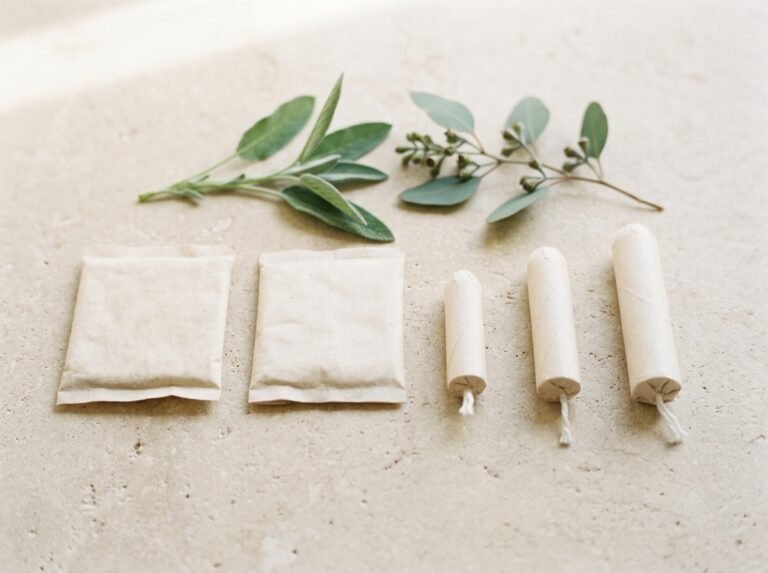
Turn a box of conventional tampons over and you’ll notice something: there’s barely an ingredient list. For a product worn internally, against some of the most absorbent tissue in the body, that’s a strange gap. What’s usually in there is conventional cotton (one of the most pesticide-heavy crops grown), often blended with synthetic rayon, plus dyes and sometimes fragrance.
You’d never spray perfume on that tissue on purpose. Yet “fresh scent” period products do exactly that.
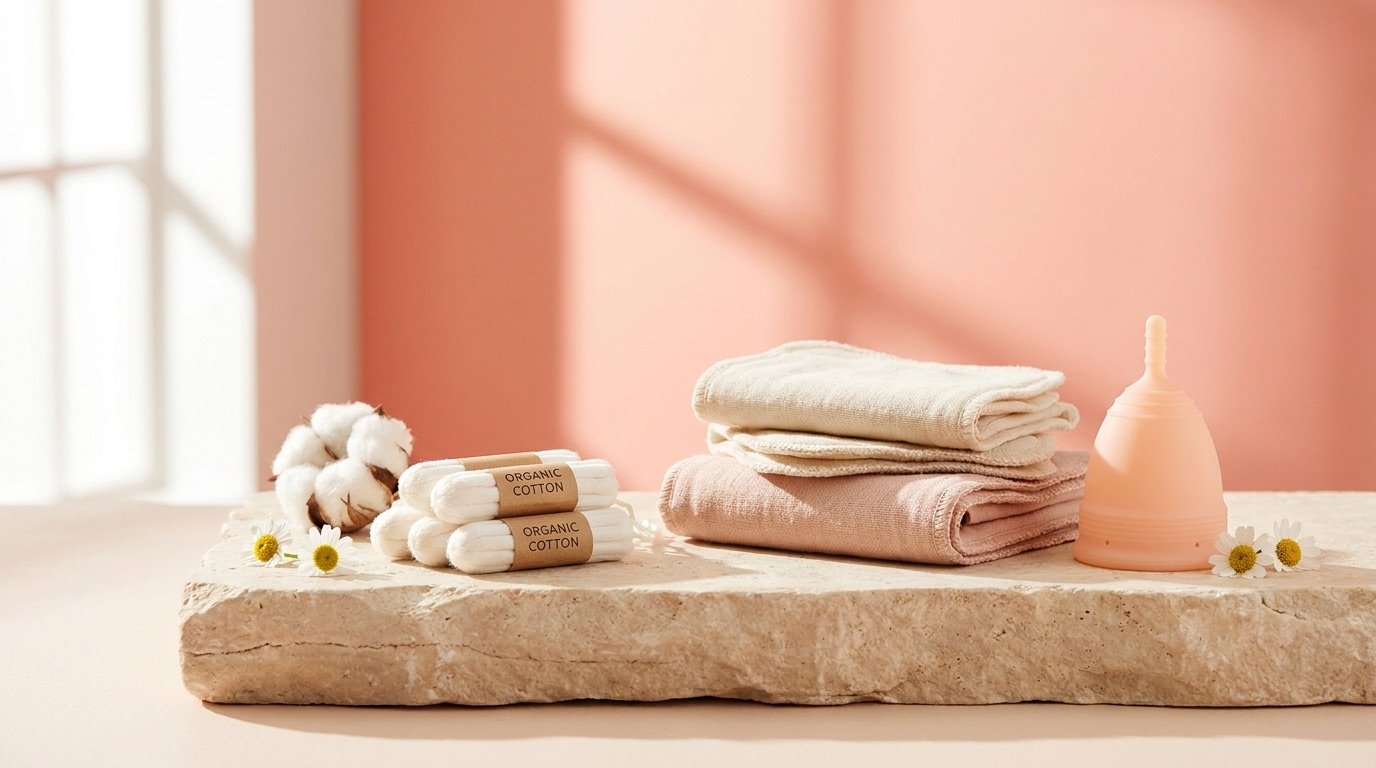
Organic period products close the gap. The tampons and pads are made from certified organic cotton grown without synthetic pesticides, with no fragrance, no dyes, and no undisclosed synthetics. And the reusable side (menstrual cups and period underwear) skips single-use waste entirely while using body-safe medical silicone or tested fabrics. The through-line is the same one from our guide to the endocrine disruptors in cosmetics: know what’s touching your body, and skip the fragrance you didn’t ask for.
So here’s how we picked. Three things had to line up:
- Materials: certified organic cotton, or body-safe reusables like medical-grade silicone.
- Additives: no fragrance, dyes, or undisclosed synthetics.
- Transparency: the brand actually tells you what’s in the product.
These made the cut.
Our picks at a glance
- Best overall: Natracare
- Best store availability: Cora
- Best range: Rael
- Best reusable: Saalt
- Best mission-driven pick: The Honey Pot
- Best carbon-neutral pick: August
Natracare: the original organic period brand
Best for: the original, fully plastic-free organic choice | Price: $5–$12 | Ownership: employee-owned trust since 2026
Before organic period care was a category, there was Natracare. Founded in 1989 by an environmental campaigner, it makes tampons and pads from certified organic cotton with no plastic, no chlorine bleaching, no rayon, and no fragrance, and it’s stayed independent the whole way. Everything is biodegradable, right down to the wrappers. It’s the reference point every newer brand is measured against.
The pads use a plant-based backing rather than a plastic-backed feel some people are used to, which takes a moment to adjust to. But for the longest track record and the most thoroughly plastic-free organic period products, nothing here beats it.
Cora: organic cotton you can find at the store
Best for: switching from a conventional drugstore brand | Price: around $10 | Ownership: independent, venture-backed
Cora made organic period care mainstream by putting it on regular store shelves. Its tampons and pads use organic cotton free of fragrance, chlorine, and dyes, and the range is broad enough to cover most needs without hunting through specialty shops. It’s the easy, accessible on-ramp for someone switching from a conventional drugstore brand.
The applicators on some products are plastic rather than cardboard or applicator-free, so check the specific line if that matters to you. For widely available organic cotton period care, though, it’s the convenient pick.
Rael: organic cotton with the biggest range
Best for: covering the whole cycle with one brand | Price: around $10 | Ownership: independent, venture-backed (Unilever Ventures holds a minority stake)
Rael started with organic cotton pads and grew into one of the most complete low-tox period lineups out there: tampons, pads, liners, period underwear, and even related skincare. The core materials are certified organic cotton, fragrance-free and dye-free, and the brand is known for thoughtful design touches like better-fitting overnight pads. It’s the pick if you want one brand to cover the whole cycle.
With such a big range, it’s worth reading each product’s materials, since the reusables and disposables differ. But for organic cotton care with the most options under one roof, Rael is hard to beat.
Saalt: the reusable, zero-waste pick
Best for: going reusable and near zero-waste | Price: around $32 | Certifications: B Corp | Ownership: founder-owned
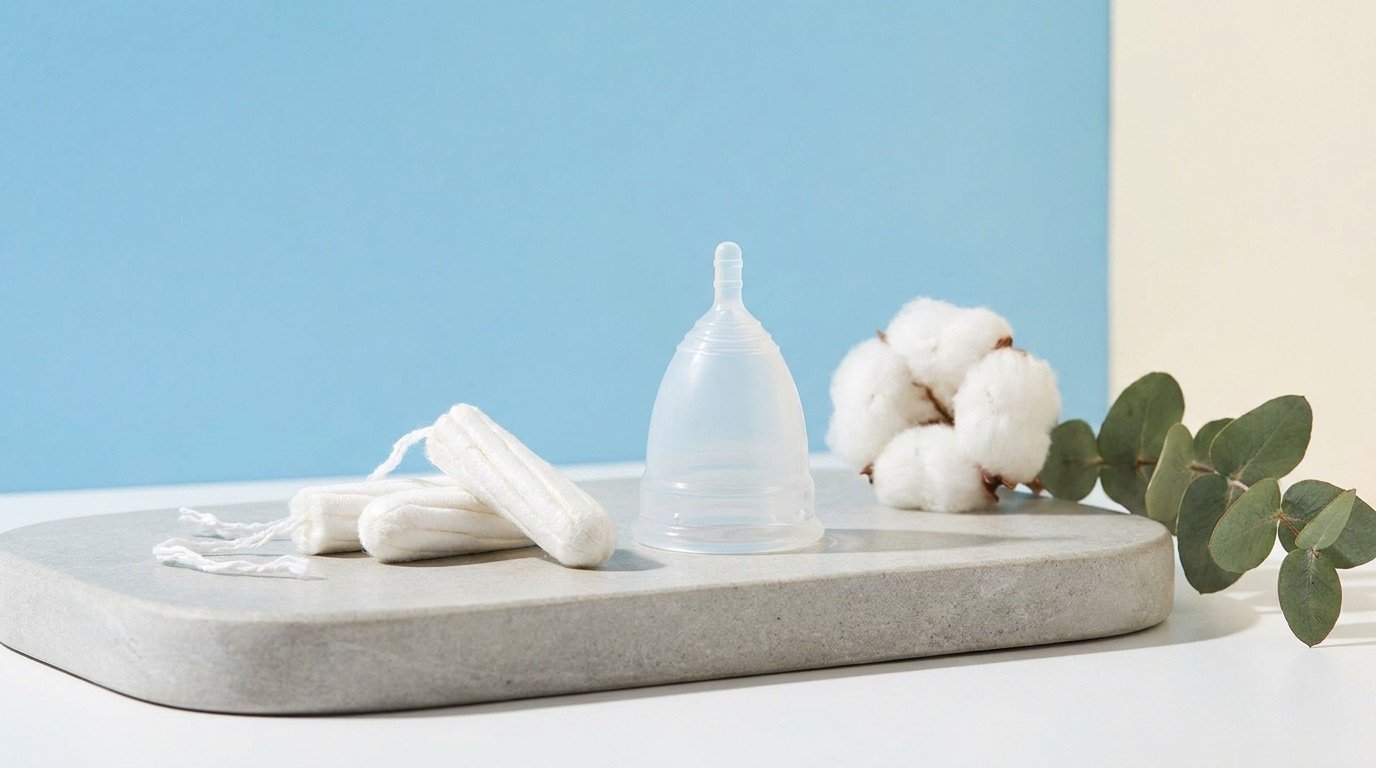
If you want to cut waste entirely, Saalt is the answer. It makes menstrual cups and discs from body-safe medical-grade silicone plus period underwear, all reusable for years, and it’s a certified B Corp that donates a share of profits to menstrual-health work. A single cup can replace hundreds of disposables and pays for itself within months.
There’s a real learning curve to a cup, and it takes a couple of cycles to get comfortable with insertion and removal. But for the lowest-waste, lowest-cost-over-time period care, Saalt is the standout. The cups and discs are on their site.
The Honey Pot: plant-based and Black-owned
Best for: a mission-driven brand you can grab at the drugstore | Price: around $10 | Ownership: majority-owned by Compass Diversified since 2024, co-founder still CEO
The Honey Pot built a loyal following as a Black-owned, plant-based feminine-care brand, with organic cotton tampons and pads alongside its wider range. The products are free of the fragrances and dyes found in conventional lines, and the brand has been a genuine force in getting clean period care into big retailers where most shoppers actually buy. It’s values-forward and widely stocked.
The line is broad, so stick to the organic cotton tampons and pads if the core period products are what you’re after. For a mission-driven brand you can grab at the drugstore, it’s a strong choice.
August: the Gen-Z, carbon-neutral option
Best for: values-led, carbon-neutral period care | Price: around $10 | Ownership: independent, founder-led since 2020
August is the newest name here, built by and for a younger generation that expects both clean materials and a brand with a point of view. Its tampons and pads are made from organic cotton, it’s carbon-neutral, and it approaches periods with an inclusive, no-shame tone that’s refreshing in a category long defined by euphemism. The packaging is plastic-minimal and the messaging is refreshingly different.
As a younger brand, its range is more focused than the veterans’ and availability leans online. But for organic cotton period care from a values-led company that actually talks to you like a person, August is a favorite.
What we left off, and why
Two things kept products off the list. First, anything scented or marketed as “fresh,” because fragrance has no business on internal or intimate tissue, and it can cause the very irritation it claims to mask. Second, plain “cotton” or rayon-blend products with no organic certification, since conventional cotton carries a heavy pesticide load and rayon is a processed synthetic, and neither has to tell you much on the box. The tell is simple: if it doesn’t say certified organic and fragrance-free, assume it’s neither.
How to actually choose one
Don’t start with the brand. Start with disposable versus reusable, and where you like to shop.
If you want the most established plastic-free disposables, Natracare. If you want organic cotton from a regular store, Cora or The Honey Pot. If you want one brand for the whole cycle, Rael. If you want to cut waste and cost long-term, Saalt’s cup or underwear. And if a values-led, carbon-neutral brand matters to you, August.
One tip that helps: many people mix and match, a cup or period underwear for heavier days at home and organic cotton tampons when they’re out. You don’t have to pick a single system to lower both waste and your exposure to the stuff you’re trying to avoid.
Frequently asked questions
What makes period products “organic”?
Organic tampons and pads are made from cotton grown without synthetic pesticides or fertilizers and processed without chlorine bleaching, dyes, or fragrance. The certification to look for is one like GOTS or a recognized organic-cotton standard on the box. “Made with organic cotton” or plain “natural” without certification is much weaker than a fully certified organic product.
Are conventional tampons actually a problem?
The main issues are what’s in them and what isn’t disclosed. Conventional tampons are typically made from pesticide-grown cotton often blended with rayon, and manufacturers aren’t required to list every material or any added fragrance. Since these products contact highly absorbent tissue, many people prefer certified organic cotton with a fragrance-free, dye-free, fully disclosed makeup as the more cautious choice.
Menstrual cup or organic tampons, which is better?
It depends on your priorities. Organic cotton tampons are the easy, familiar swap with the lowest learning curve. A menstrual cup like Saalt’s has a steeper adjustment but wins big on waste and long-term cost, since one cup replaces years of disposables. Plenty of people use both, a cup at home and organic tampons on the go.
Is “fragrance-free” enough, or do I need organic too?
Fragrance-free is the first thing to insist on, since scented intimate products can irritate sensitive tissue. But certified organic goes further by addressing how the cotton was grown and processed, cutting out pesticide residues, chlorine bleaching, and dyes. For the cleanest option, look for both: certified organic and explicitly fragrance-free.
Related reading
Want the detail behind the picks? We’ve written up each thing we screened for: metals in tampons and the 2024 study, the dioxin scare the industry already fixed, and what’s actually in a pad or tampon.
Getting more careful about what touches your body? Start with our guide to the toxic ingredients in skincare and personal care, and see how hormone-disrupting ingredients show up across cosmetics in our piece on endocrine disruptors.