Lead in Lipstick: What FDA’s Testing Actually Found
Lead in lipstick is one of the oldest scares in beauty, and it’s been recycled roughly every three years since 2007.
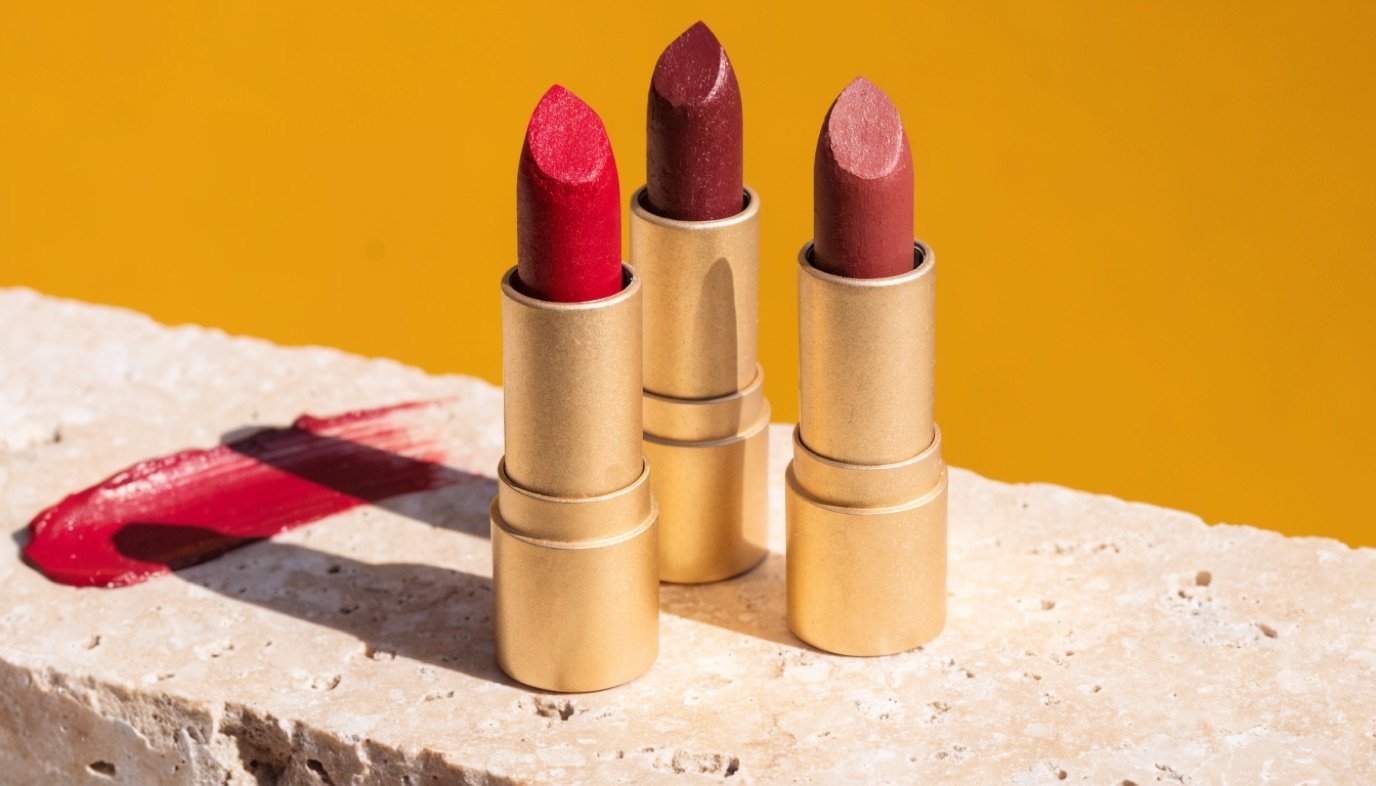
So here’s what the actual testing shows. FDA analyzed 400 cosmetic lip products for lead using its own validated method. The results ran from the detection limit of 0.026 parts per million up to a high of 7.19 ppm, and the average came out at 1.11 ppm. All but two of the 400 sat below 5 ppm.
For reference, the agency’s own guidance recommends staying under 10 ppm, a level it concluded would not pose a health risk.
By FDA’s numbers, the average lipstick is roughly a tenth of the level the agency considers fine.
Why it’s in there at all
Nobody adds lead to a lipstick. That’s the first thing to get straight.
Lead shows up because color in makeup comes from minerals dug out of the ground. Iron oxides for reds and browns, titanium dioxide for white, mica for shimmer, and so on. Lead occurs naturally in the earth alongside them, so trace amounts come along with the pigment.
It’s the same mechanism behind heavy metals in protein powder: a plant or a mineral takes up what’s in the soil, and the trace metal arrives with the raw material rather than getting added on purpose. You can lower it with better sourcing and better refining. You can’t get it to zero.
The products nobody worries about tested higher
Here’s the part that gets left out of every lipstick headline.
FDA has also tested hundreds of externally applied cosmetics, meaning eyeshadows, blushes, body lotions, shampoos. Those came back anywhere from below the detection limit up to 14 ppm. Twice the top lipstick reading.
Lipstick gets the attention because you eat a little of it, which feels worse. But eyeshadow sits on thin skin near your eyes, blush covers a lot of face, and body lotion goes on everywhere, every day, and none of that generates headlines.
Over 99% of both categories still came in under 10 ppm. The point isn’t that eyeshadow is dangerous. It’s that the panic picked its target for emotional reasons rather than by the numbers.
Where the real lead problem is
Kohl. And it isn’t close.
Traditional eyeliners sold as kohl, kajal, al-kahal, surma, tiro, tozali or kwalli often contain enormous amounts of lead, in a different league from the trace levels in conventional makeup. FDA links these products to actual lead poisoning, especially in children, and they aren’t legal to sell in the United States. They still turn up in specialty markets, and FDA maintains an import alert telling inspectors to watch for shipments.
If you inherited a family kohl or brought one back from a trip, that’s the one worth throwing out. It’s a genuine hazard, and it’s the opposite of a headline product.
The regulatory footnote
That 10 ppm figure is a recommendation. Not a limit.
FDA issued it as guidance to industry, and guidance is non-binding. There’s no lead ceiling in US cosmetics law the way there are limits in food and drinking water, because cosmetics simply aren’t regulated that way. The agency can act against a product it can prove is unsafe, which is a much heavier lift than enforcing a number.
To be fair, industry has largely complied anyway, which is what the 99% figure reflects. The system worked here. It just worked voluntarily, which is a different thing from working reliably.
One place FDA did use a hard tool: lead acetate, a color additive once permitted in progressive hair dyes, stopped being allowed in January 2022 after the agency concluded the data no longer supported its safe use.
What I’d actually do
Not worry about it, honestly. Compared with the things worth attention in a makeup bag, trace lead in lipstick is far down the list.
I’d put undisclosed fragrance and hormone-active ingredients well above it, and asbestos contamination in talc above it too, because that one has no safe level and a real recall history behind it.
If you want to lower trace metals anyway, buying from brands that test their raw pigment batches does more than any label claim. Ask a brand whether it screens incoming pigments for heavy metals. The ones that do will tell you, at length.
The picks in the best natural makeup brands each have a scored profile in our brand directory.
Frequently asked questions
How much lead is in lipstick?
FDA tested 400 lip products and found lead ranging from the 0.026 ppm detection limit up to 7.19 ppm, with an average of 1.11 ppm. All but two products came in below 5 ppm. The agency’s recommended ceiling is 10 ppm, a level it assessed as not posing a health risk, so the typical lipstick sits well under it.
Is lead in lipstick dangerous?
By FDA’s own exposure assessment, the levels found in the US market don’t pose a health risk. Lead has no safe level in children’s blood, which is why the trace amounts still get scrutinized, but conventional lipstick is not where meaningful exposure comes from. Traditional kohl eyeliners are an entirely different matter and have caused real cases of lead poisoning, which is why they can’t legally be sold here.
Do other cosmetics have more lead than lipstick?
Some do. FDA’s testing of externally applied cosmetics such as eyeshadows, blushes, shampoos and body lotions found levels from below the detection limit up to 14 ppm, higher than the top lip product reading. Over 99% of products in both categories still fall below the recommended 10 ppm.
Is there a legal limit on lead in cosmetics?
No. The 10 ppm figure is FDA guidance to industry, which is a recommendation rather than an enforceable ceiling. US cosmetics law has no lead limit comparable to those set for food or drinking water. FDA can act against a product it can show is unsafe, but that’s a far higher bar than enforcing a threshold.
Related reading
The rest of this series: talc, asbestos and where the testing stands and mica and the labor problem behind the shimmer. For vetted picks, see the best natural makeup brands. The same trace-metal question in a very different product is covered in heavy metals in protein powder.
Sources: U.S. Food and Drug Administration, Lead in Cosmetics. FDA, Supporting Document for Recommended Maximum Lead Level in Cosmetic Lip Products and Externally Applied Cosmetics. FDA, Limiting Lead in Lipstick and Other Cosmetics.