The Best Non-Toxic Candles That Actually Smell Good
Light a cheap candle and you’re doing something odd when you think about it: setting fire to a block of refined petroleum in a closed room and breathing whatever comes off it for the next few hours. Most conventional candles are paraffin, a byproduct of crude oil, and burning it releases soot and volatile chemicals into the air you’re sitting in. The health case against paraffin is thinner than the internet suggests, but the case for choosing something else holds up fine.
Then there’s the smell. That “fragrance” is usually a synthetic blend hidden behind one word on the label, the same disclosure loophole we unpack for cleaning products in our fragrance loophole guide, and it can carry phthalates you’d rather not vaporize at home.
Non-toxic candles fix all three parts. Plant or beeswax instead of paraffin, a clean cotton or wood wick instead of a metal-cored one, and fragrance that’s either phthalate-free or made from actual essential oils. Here’s what we looked for.
What had to line up:
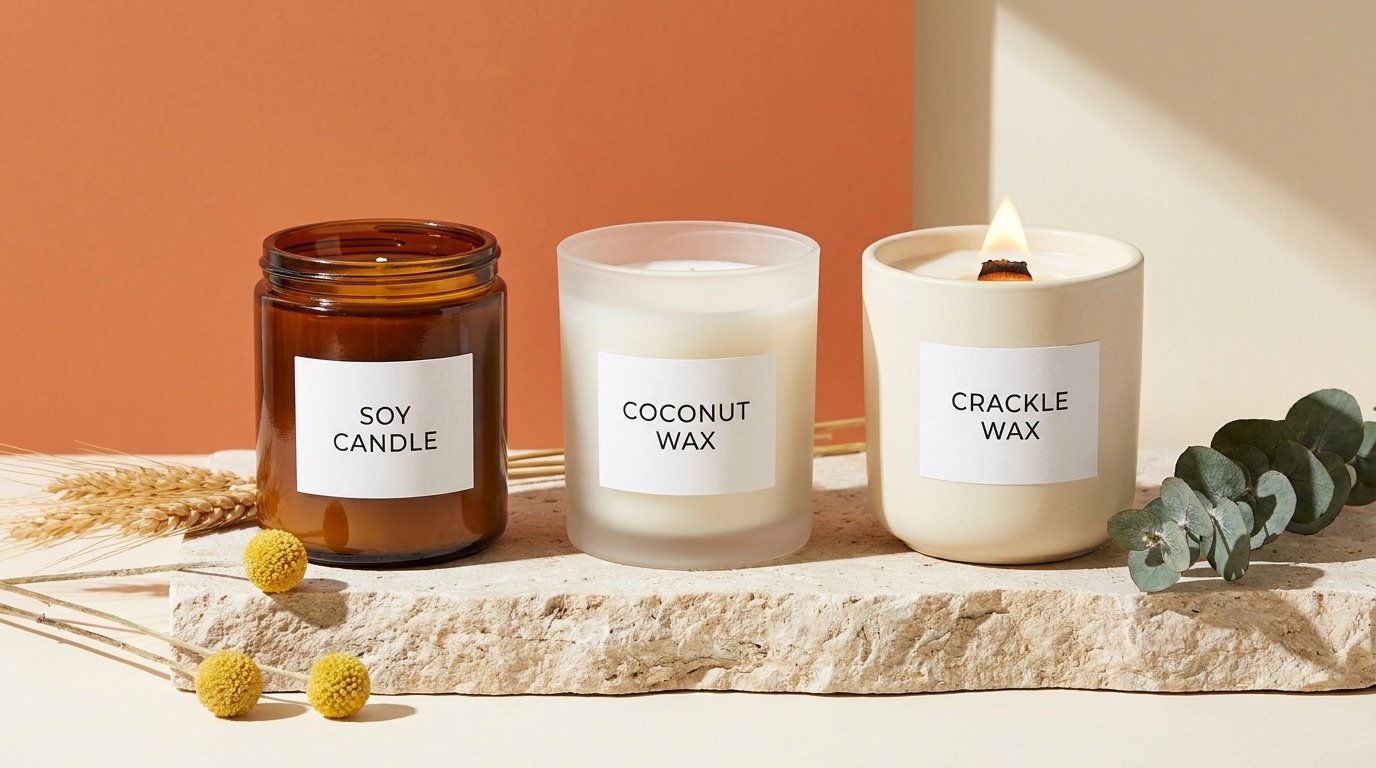
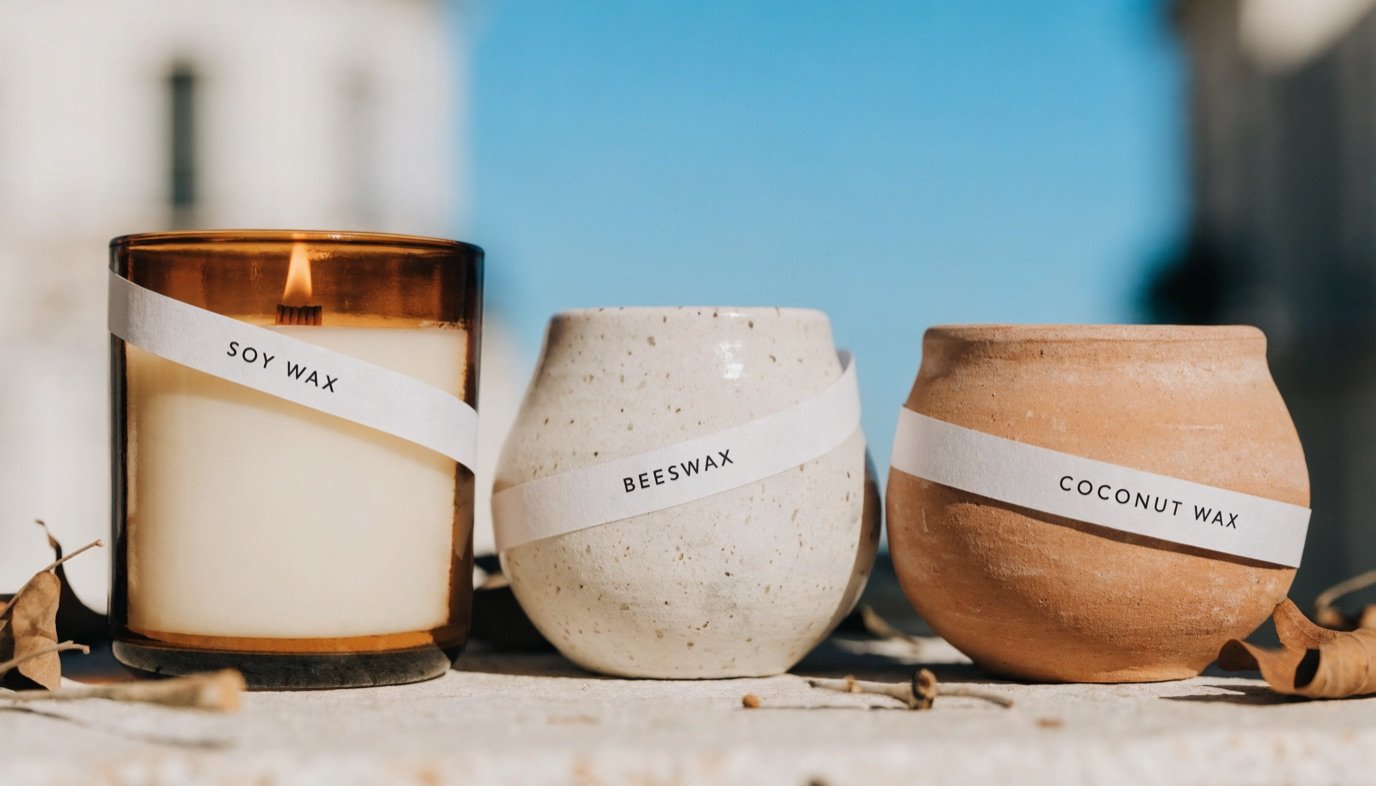
- Wax: soy, coconut, or beeswax, never paraffin, since the wax is most of what you’re burning. Each of the three has its own tradeoff.
- Wick: cotton or wood with no metal core. Lead wicks have been banned in the US since 2003, so this is now about how evenly the wick burns.
- Fragrance: phthalate-free and disclosed, or scented with essential oils rather than a mystery blend.
Our picks at a glance
- Best overall: P.F. Candle Co
- Best coconut wax: Keap
- Best fully disclosed scent: Grow Fragrance
- Best beeswax: Fontana Candle Co
- Best design: Brooklyn Candle Studio
- Best value: Slow North
P.F. Candle Co: the everyday soy standard
Best for: a reliable, great-smelling soy candle | Price: around $38 | Ownership: independent
If you want one brand to default to, P.F. Candle Co is it. The candles are 100% domestically grown soy wax with cotton-core wicks and a phthalate-free fragrance, hand-poured in California, and the scent throw is strong enough to actually fill a room, which is where a lot of clean candles fall short. The amber-jar aesthetic has become a bit of a design shorthand for good reason.
Soy wax can occasionally “frost” or tunnel if you don’t burn it long enough the first time, which is true of the whole category. For a dependable, widely available soy candle that smells as good as the conventional stuff, it’s the standard. The full range runs well beyond the amber jars.
Keap: coconut wax and a clean burn
Best for: the longest, cleanest burn | Price: around $55 | Ownership: independent
Keap went with coconut wax for a reason: it burns slower and cleaner than soy, with very little soot. The candles use a coconut-wax blend, clean wicks, and fragrance free of phthalates and other flagged ingredients, and the brand is upfront about exactly what goes into each one. The scents lean modern and understated rather than sweet.
Coconut wax makes for a premium price, and the scent library is smaller than the big players’. But for the cleanest, longest burn with a truly low-soot flame, Keap is the standout. Their single candles come with refills for the vessel.
Grow Fragrance: 100% plant-based and transparent
Best for: anyone who wants every ingredient named | Price: around $30 | Ownership: independent
Most “natural” candles still hide their scent. Grow Fragrance does the opposite, making candles (and home sprays) that are certified 100% plant-based with a full ingredient list printed right there, scented entirely from plant extracts and essential oils. If you’ve reacted to synthetic candle fragrance before, this is the one built for you.
All-plant fragrance is subtler and sometimes shorter-lived than a synthetic blend, so the throw is gentler. For total transparency and a scent made only from plants, though, nothing here is more open about what you’re breathing. Their candles and refills all carry the full ingredient list.
Fontana Candle Co: beeswax done right
Best for: the most traditional clean wax | Price: around $26 | Ownership: independent
For the oldest clean wax there is, Fontana Candle Co works in beeswax and coconut, with wood wicks and scents from essential oils rather than synthetic fragrance. Beeswax burns bright and long and is about as far from petroleum as a candle gets, and the wood-wick crackle is a nice touch. It’s the pick for people who want the most natural material available.
Beeswax carries a faint honey scent of its own and isn’t vegan, which matters to some. The full range is MADE SAFE certified. Worth knowing too that wood wicks burn with a wider, less even flame than cotton, so this one rewards a careful trim. For a traditional, essential-oil-scented beeswax candle made simply, though, Fontana is a favorite.
Brooklyn Candle Studio: clean wax, elevated look
Best for: a design-forward candle that’s still clean | Price: around $34 | Ownership: independent
Brooklyn Candle Studio proves you don’t have to choose between clean and beautiful. The candles are 100% soy wax with cotton wicks and phthalate-free fragrance, poured into minimalist vessels you’ll actually want on the shelf. It’s the one to give as a gift, or to buy when the jar matters as much as the scent.
The elevated packaging nudges the price up, and it’s more style-led than the purist beeswax options. But for a design-forward candle that still clears the clean bar, it’s the pick. The vessel collections all take refills.
Slow North: clean candles that cost less
Best for: clean candles on a budget | Price: around $36 | Ownership: independent
Slow North keeps things refreshingly affordable. Its candles are 100% soy wax with cotton wicks and essential-oil-based scents, often poured into reusable tins and vessels, at prices that undercut most of the boutique names. It’s the proof that non-toxic candles don’t have to be a splurge.
The scents are cleaner and more herbal than dessert-sweet, and the range is more focused than the big brands’. But for the cheapest way into properly clean, essential-oil candles, Slow North is the answer. The travel tins are the cheapest entry point.
What we left off, and why
The whole paraffin aisle didn’t make it, and the reason is simple: paraffin is a petroleum product, and burning it indoors puts soot and volatile chemicals into your air. We also left off the “soy blend” candles that quietly mix a little soy with a lot of paraffin, and the mass-market scented candles whose fragrance hides behind that one undisclosed word, where phthalates can live. The endocrine-disrupting side of those is the same story we tell in our guide to the hormone disruptors in cosmetics. If a candle won’t tell you its wax and won’t disclose its fragrance, put it back.
How to actually choose one
Don’t start with the scent. Start with the wax and how you’ll use it.
If you want a strong, reliable everyday scent, P.F. Candle Co. If a low-soot, long burn matters most, Keap’s coconut wax. If you want every ingredient named, Grow Fragrance. If you prefer the most traditional natural material, Fontana’s beeswax. If the look matters, Brooklyn Candle Studio. And if you’re watching the budget, Slow North.
One habit makes any candle burn cleaner: trim the wick to about a quarter inch before every light, and let the wax pool to the edges on the first burn. It cuts soot, stops tunneling, and makes a good clean candle last far longer. This matters more than the wax you pick, and the numbers behind that are startling: a badly burning soy candle can out-soot a well-behaved paraffin one many times over.
Frequently asked questions
What makes a candle non-toxic?
Three things: the wax, the wick, and the fragrance. A non-toxic candle uses plant wax (soy or coconut) or beeswax instead of petroleum-based paraffin, a clean cotton or wood wick with no metal core, and fragrance that’s phthalate-free and disclosed or made from essential oils. The wax matters most, since it’s the bulk of what burns and goes into your air.
Is soy wax better than paraffin?
For indoor air, yes. Paraffin is refined from crude oil and releases more soot and volatile chemicals as it burns. Soy is a renewable plant wax that burns cooler and cleaner with far less soot, and coconut wax is cleaner still. Watch for “soy blend” candles, though, which can be mostly paraffin with a little soy added.
Do non-toxic candles still smell strong?
The good ones do, though it depends on the fragrance. Candles scented with phthalate-free fragrance oils (like P.F. Candle Co) tend to have a stronger throw than those scented purely with essential oils (like Grow Fragrance or Slow North), which are cleaner but subtler. If a room-filling scent is the priority, a disclosed phthalate-free fragrance is your best bet.
Why does the wick matter?
Because some cheap wicks have a metal core to keep them upright, and older ones occasionally used lead, which you don’t want vaporizing in your home. Lead wicks are banned in the US, but a clean cotton or wood wick removes any doubt and burns more evenly. Every candle on this list uses one.
Related reading
Want the detail behind the picks? We’ve covered whether paraffin wax is actually toxic, why how you burn a candle beats what it’s made of, soy versus beeswax versus coconut wax, and the lead-wick ban and what replaced it.
Cleaning up the air at home? Start with our non-toxic cleaning guide, and see how the same fragrance loophole works in your cupboards in our piece on the fragrance loophole in cleaning products.