Caprylhydroxamic Acid: Safe, With One Catch
Safety reviewers call it safe. Finnish dermatologists traced an outbreak of contact allergy straight to it. Both things are true, and the gap between them is the useful part.

Safety reviewers call it safe. Finnish dermatologists traced an outbreak of contact allergy straight to it. Both things are true, and the gap between them is the useful part.
It’s a 19-letter word on a bottle that promised you clean. We read the safety review, the use levels, and the one caveat nobody mentions. Short version: this is one of the reassuring ones.
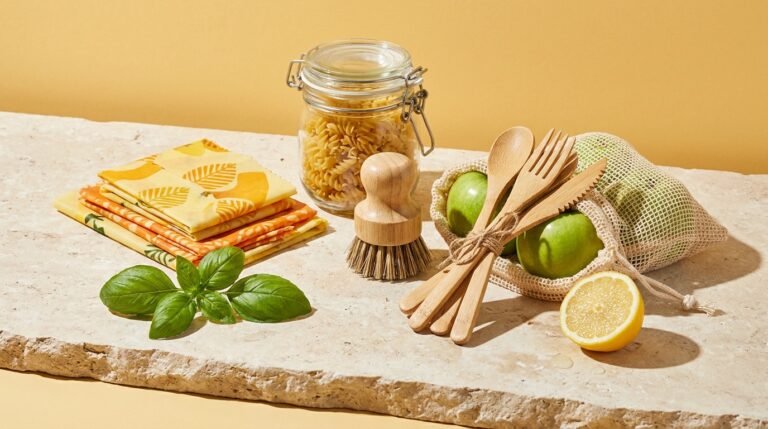
The kitchen is where household plastic breeds. Here are the zero-waste swaps that actually last, from beeswax wraps to a compost bin you’ll actually use.
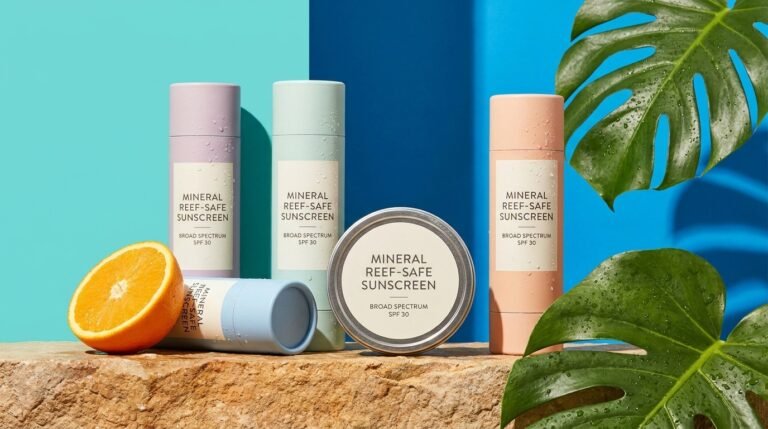
We checked the zinc, read the full ingredient lists, and sorted the reef-safe sunscreens that actually rub in from the ones that leave you ghost-white. Here are the mineral picks worth buying.
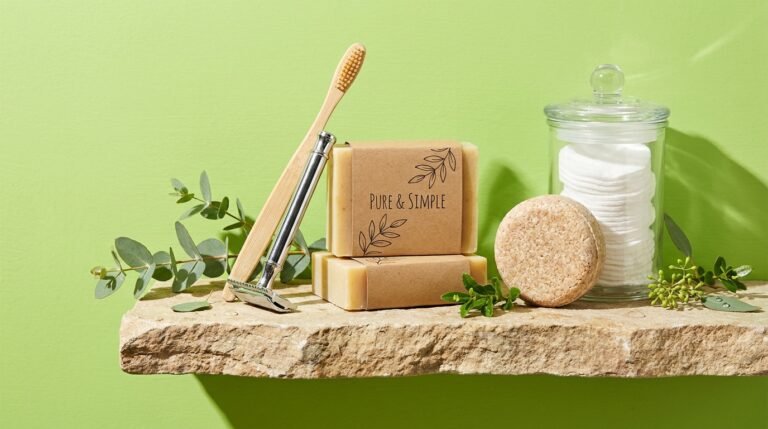
The bathroom is where household plastic quietly piles up. Here are the zero-waste swaps that actually last, from bamboo brushes to a razor you’ll buy once.
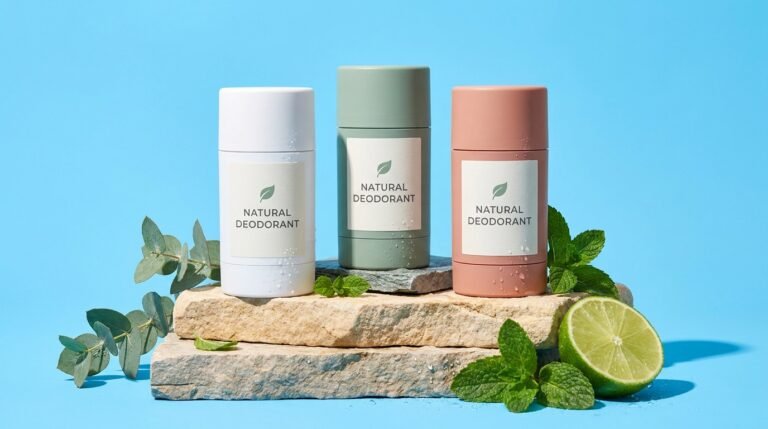
Most natural deodorants quit on you by lunch. These don’t. We vetted the aluminum-free brands on ingredients, who owns them, and whether they actually control odor through a real day.
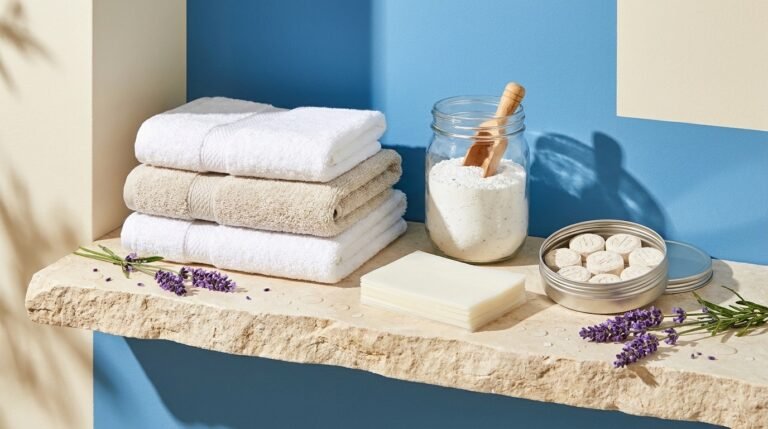
We checked the certifications, read the ingredient lists, and sorted the brands that actually clean from the ones that just smell like they might. Here are the non-toxic laundry detergents worth buying.
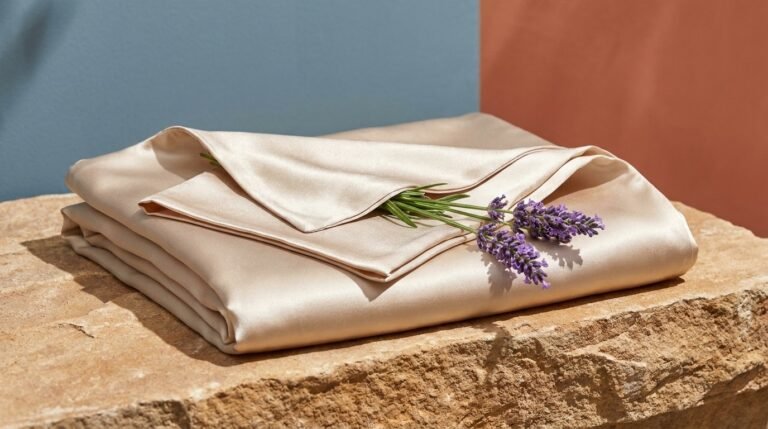
Is mulberry silk worth it? An honest guide to momme, the sustainability tradeoffs silk brands skip, and which silk is actually worth buying, from $27.
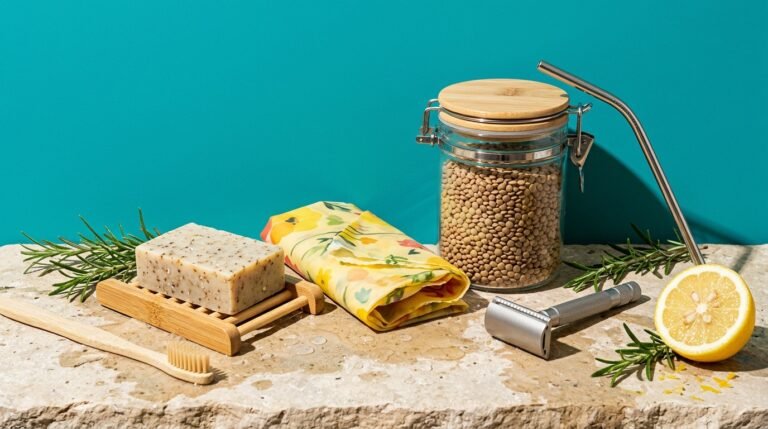
The zero-waste home swaps actually worth making, with the best plastic-free brands for your kitchen, bathroom, laundry, and cleaning routine.
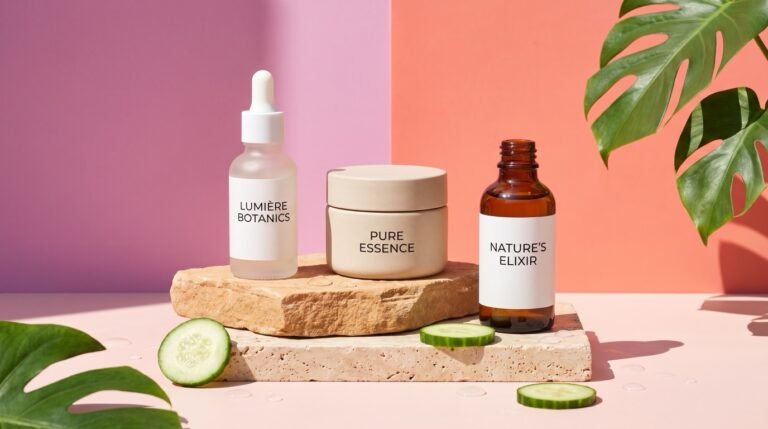
We checked the certifications, read the full ingredient lists, and looked at who owns each label. Here are the non-toxic skincare brands worth your money.