The Best Non-Toxic Mattresses, With No Fiberglass and No Off-Gassing
Ever unboxed a new mattress and been hit with that sharp chemical smell, the one that’s supposed to “air out” over a few days? That smell is off-gassing, the volatile chemicals evaporating out of polyurethane foam and synthetic finishes. You then sleep on it for the next eight years, roughly a third of your life, breathing it in all night.
Here’s the part that should bother you more, though. Most cheap “bed in a box” mattresses hide a layer of fiberglass inside, used as a cheap flame barrier. The reason it’s in there at all is a federal fire rule and the cheapest possible way to pass it. It works until the cover comes off, and then it can shed tiny glass fibers through your whole house. It’s the single biggest reason to care what your mattress is actually made of.
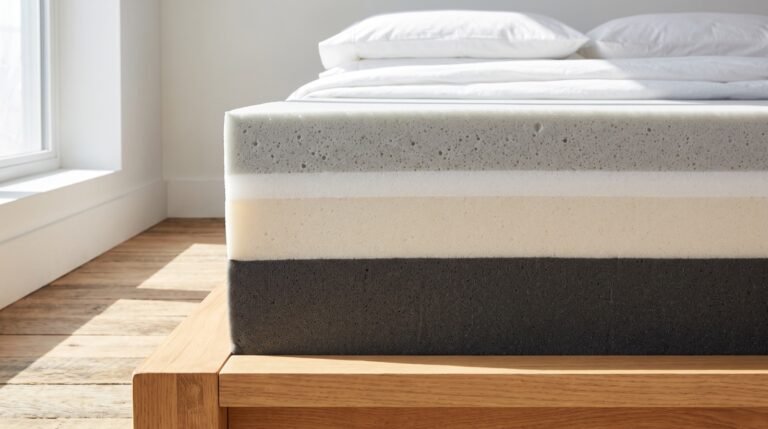
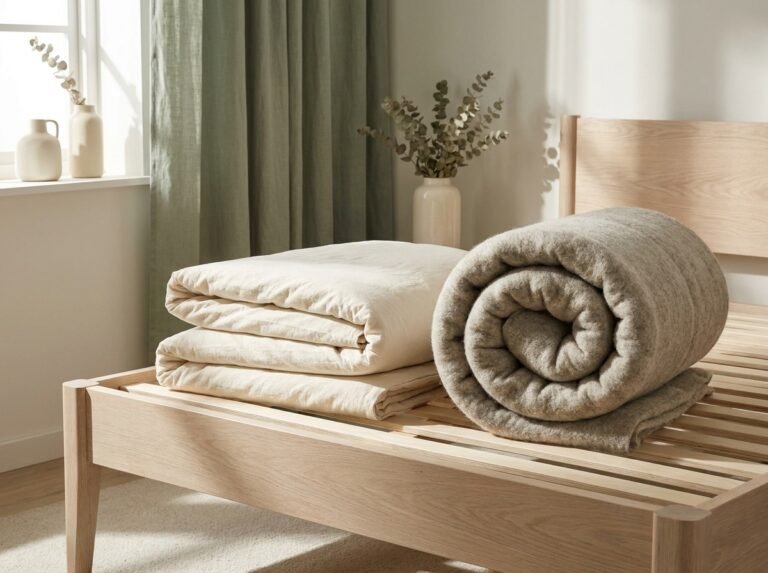
Non-toxic mattresses skip all of it. Instead of polyurethane foam and fiberglass, the good ones use natural latex, organic cotton, and organic wool, which is naturally flame-resistant with no chemicals needed. Watch that word “natural” though. It carries no legal weight on a latex label, which is why GOLS is the certification that actually pins down what’s in the rubber. These are also the materials most likely to keep you cool, since foam traps heat and latex breathes.
So here’s how we picked. Three things had to line up:
- Certified organic materials: GOTS for the cotton and wool, GOLS for the latex.
- Zero fiberglass and zero polyurethane.
- Published certifications: a brand that shows its certificates instead of just saying “natural.”
These made the cut.
Our picks at a glance
- Best overall: Avocado
- Best for families: Naturepedic
- Best for hot sleepers: Birch
- Best customizable latex: PlushBeds
- Best luxury feel: Saatva
- Best budget: Happsy
Avocado: the certified eco-luxury standard
Best for: anyone who wants the certifications to do the deciding | Price: queen from $1,599 | Certifications: GOTS, GOLS, MADE SAFE, B Corp | Ownership: independent, privately held
If you want the most thoroughly certified mattress on the market, Avocado is it. The Green Mattress is GOTS and GOLS certified, made with organic latex, organic cotton, and wool, and the company is a certified B Corp that’s climate-neutral on top of it. No fiberglass, no polyurethane, no flame-retardant chemicals, and they show you every certificate, numbers included.
It’s firm out of the box (there’s a pillow-top option if you want softer), and it’s heavy, because real materials weigh more than foam. But for certifications, transparency, and a company whose whole identity is built on this, nothing here beats it.
Naturepedic: the customizable, family-friendly one
Best for: families and couples who can’t agree on firmness | Price: queen from $1,999 | Certifications: GOTS, GOLS, GREENGUARD Gold | Ownership: family-owned since 2003
Naturepedic has been doing organic sleep longer than almost anyone, and it shows in the adult range. The mattresses are GOTS certified, fiberglass-free, and use organic cotton, wool, and latex, and several models let you adjust the firmness on each side, which is a small miracle for couples who never agree. Its organic crib mattresses are a go-to for new parents for the same reason.
It’s a premium buy, and the showroom-style customization can feel like a lot of decisions. But for families, adjustable comfort, and a brand with a deep track record, it’s the safe, proven pick.
Birch: the one built for hot sleepers
Best for: hot sleepers and anyone who hates memory foam | Price: queen from $1,499 | Certifications: GREENGUARD Gold | Ownership: a Helix Sleep brand, owned by Cerberus Capital (since 2021)
Birch is the mattress for people who sleep hot and wake up sweating. It pairs natural Talalay latex with organic cotton and wool, and the whole build is designed to breathe and pull heat away, no memory-foam swamp. It’s GREENGUARD Gold certified for low emissions and skips the fiberglass entirely.
It’s a hybrid, so there’s coil bounce rather than a sinking hug, which some people love and some don’t. For a naturally cooling, breathable night’s sleep without the chemicals, though, it’s the standout.
PlushBeds: the premium organic latex pick
Best for: latex purists who want to fine-tune the feel | Price: queen from $2,024 | Certifications: GOTS, GOLS | Ownership: founder-owned since 2008
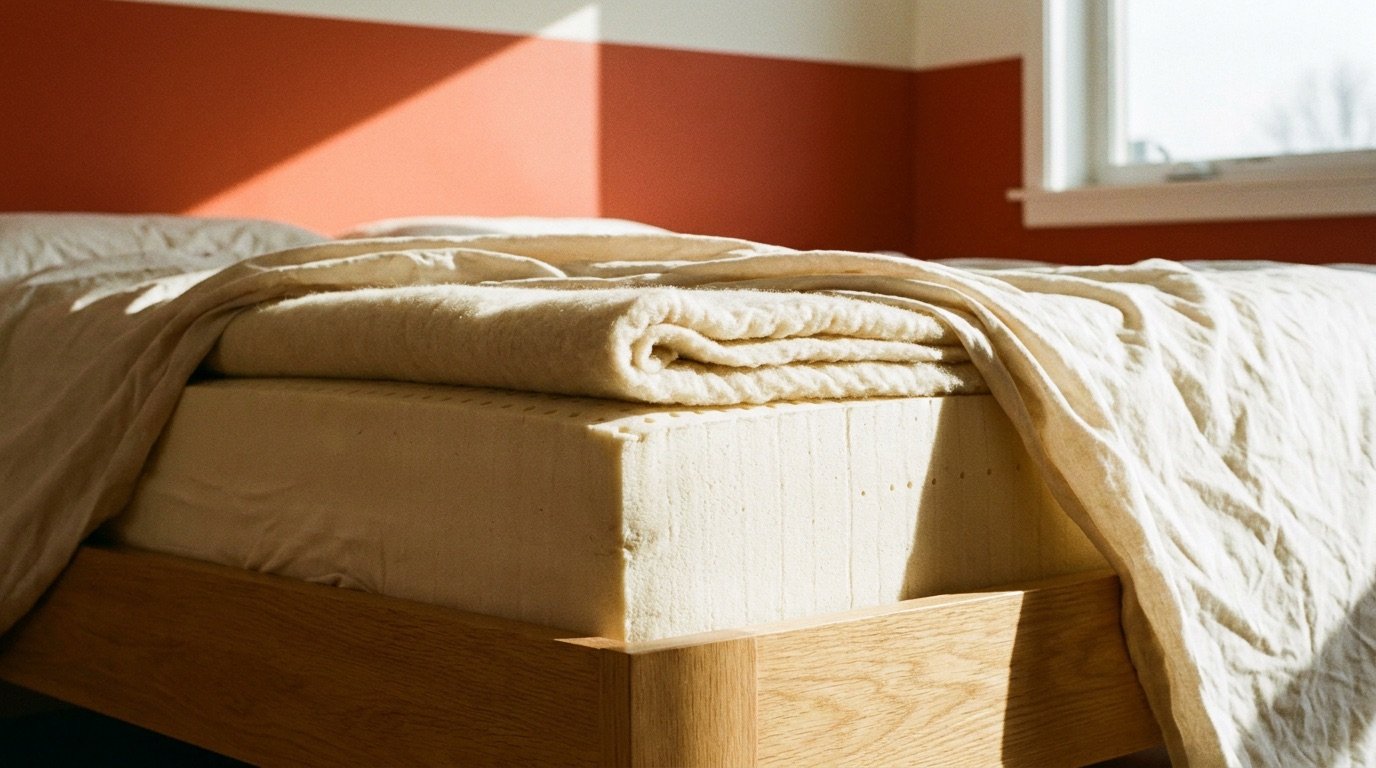
PlushBeds is the one latex purists reach for. The Botanical Bliss is built on GOTS and GOLS certified organic latex with organic cotton and wool, and you can order it in different firmness levels or even rearrange the internal latex layers yourself to dial in the feel. It’s about as customizable as a natural mattress gets.
You pay for that flexibility, and it’s a serious investment. But if you want organic latex done at the highest level, with the ability to tune it to your body, this is the connoisseur’s choice.
Saatva: luxury organic without the foam smell
Best for: a plush, hotel-grade feel from natural materials | Price: queen from $3,549 | Ownership: founder-owned since 2010, with minority private-equity stakes
Saatva is the one that feels like a luxury-hotel mattress while still cleaning up the materials. Its Zenhaven is a flippable all-natural Talalay latex mattress with an organic cotton cover, no fiberglass and no polyurethane, and Saatva delivers and sets it up for you, which matters when the thing weighs as much as it does.
It’s not the most exhaustively certified brand on this list, so read the specs for the exact model you want. But for a plush, hotel-grade feel from natural materials with white-glove delivery, it’s hard to beat.
Happsy: the affordable organic option
Best for: tight budgets and first-time organic buyers | Price: queen from $1,399 | Certifications: GOTS, GOLS | Ownership: owned by Naturepedic, also on this list
Organic mattresses get expensive fast, and Happsy is the reset. Made by Naturepedic, it’s a GOTS and GOLS certified organic hybrid, fiberglass-free and foam-free, at a price that lands well below most of this list. It ships in a box like a conventional online mattress, just without the conventional chemistry.
The range is simpler and the feel is more one-size-fits-most. But for the cheapest way into a certified organic mattress, this is the answer.
What to avoid, and why
The mattress to walk away from is any inexpensive foam “bed in a box” that won’t tell you, in writing, that it’s fiberglass-free. The warning label that says “do not remove cover” is often there because fiberglass is the flame barrier, and once that cover tears or is washed, the fibers can spread through your home and are miserable to clean up.
The other one to skip is standard memory foam, which is polyurethane and off-gasses VOCs, the same category of volatile chemicals we flag in our guide to the hormone disruptors worth avoiding. “CertiPUR-US” tells you the foam meets a lower-emission standard, and the testing behind it is real, but it’s still petroleum foam, not an organic material.
How to actually choose one
Don’t start with the brand. Start with how you sleep.
If you want the most certified option and don’t mind a firm feel, Avocado. If you sleep hot, Birch. If you and your partner disagree on firmness, Naturepedic’s adjustable models solve it. If you want to fine-tune organic latex to your body, PlushBeds. And if budget is the deciding factor, Happsy gets you certified-organic for the least.
One thing worth knowing: a good natural mattress is a 10-to-20-year purchase, so the cost-per-night is lower than it looks, and most of these brands offer long trials so you can send it back if it’s wrong for you.
Frequently asked questions
What makes a mattress “non-toxic”?
In practice, it means no fiberglass, no polyurethane foam, and no added flame-retardant chemicals. Non-toxic mattresses use natural materials instead: organic latex, organic cotton, and organic wool, which is naturally flame-resistant so no chemical barrier is needed. The strongest signals are GOTS certification (for cotton and wool) and GOLS certification (for latex).
Why is fiberglass in mattresses a problem?
Manufacturers use fiberglass as a cheap flame barrier under the cover, and as long as the cover stays on, it’s contained. The trouble is that when the cover is removed or tears, the tiny glass fibers can escape and spread through your home, embedding in carpet, clothes, and air, where they’re extremely difficult to remove and can irritate skin and lungs. Certified organic mattresses use wool as the flame barrier instead.
Do non-toxic mattresses really off-gas less?
Yes. The chemical “new mattress smell” comes mainly from polyurethane foam and synthetic finishes releasing VOCs. Mattresses built from natural latex, organic cotton, and wool have far less to off-gas, so the sharp smell and the days of “airing out” are mostly gone. Natural latex has a mild scent that fades quickly and isn’t the same as VOC off-gassing.
Are organic mattresses worth the higher price?
Over their lifespan, usually yes. A quality organic mattress lasts 10 to 20 years, roughly double a cheap foam one, so the cost-per-night is closer than the sticker suggests. Add the sleep you spend on it (about a third of your life) and the materials you’re breathing all night, and it’s one of the higher-value non-toxic swaps you can make.
Related reading
Building a lower-tox home room by room? Start with our guide to the ingredients and chemicals worth avoiding, and if you’re upgrading the whole bed, see our honest take on whether a silk pillowcase is worth it. Our zero-waste home swaps cover the rest of the house, one room at a time.