Triclosan in Toothpaste: The Warning That Expired
The FDA banned triclosan from hand soap in 2016 and deliberately left it legal in toothpaste. Then the one big brand using it removed it anyway. Here’s where that leaves the warning you keep reading.

The FDA banned triclosan from hand soap in 2016 and deliberately left it legal in toothpaste. Then the one big brand using it removed it anyway. Here’s where that leaves the warning you keep reading.
Sodium lauryl sulfate makes toothpaste foam, and foam does nothing for your teeth. For people who get recurring mouth ulcers, dropping it has real evidence behind it.
Everyone says charcoal toothpaste is too abrasive. Measured abrasivity says most of it isn’t. The real objection is simpler and harder to argue with.
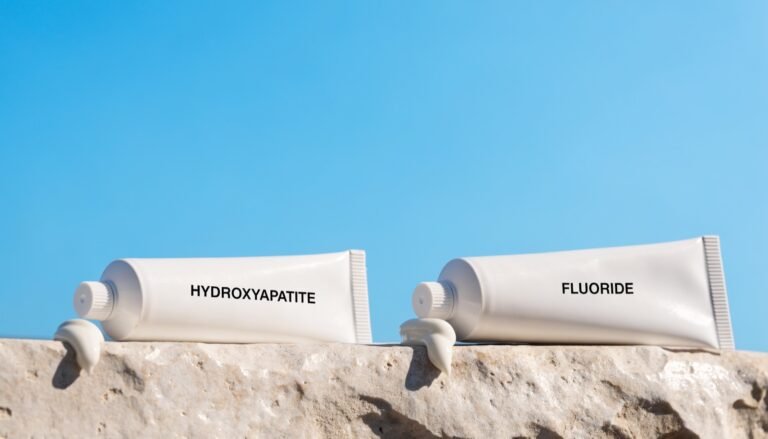
Fluoride-free used to mean giving up protection. Hydroxyapatite changed that, and there are now randomized trials putting it level with fluoride. Here’s what the evidence supports and what it doesn’t.
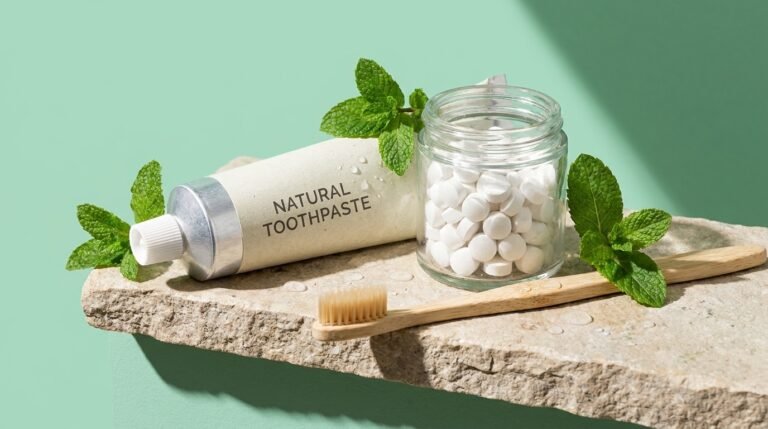
You use toothpaste twice a day, every day, so the ingredient list is worth a look. Here are the natural toothpaste brands worth switching to, vetted on ingredients, actives, and packaging.
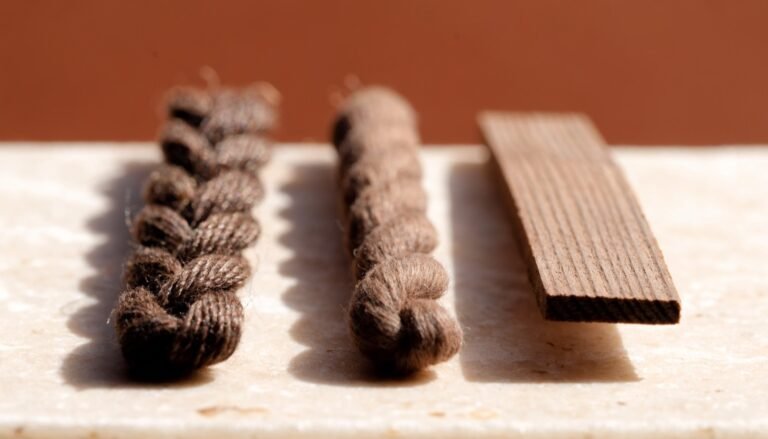
For decades candle wicks had metal cores to hold them upright, and some of that metal was lead. The US banned it in 2003, which settles less than you’d hope.

Every clean candle brand picks one of three waxes and tells you theirs is best. Each has a real advantage and a real problem, and none of them is the obvious winner.

A badly burning soy candle put out roughly twenty times the particulate of a well-behaved paraffin one. The wax on the label matters far less than whether the flame is stable.

The claim that paraffin candles poison your air traces back further than you’d expect to a single conference presentation. The case against paraffin is real, but it isn’t the one the internet makes.
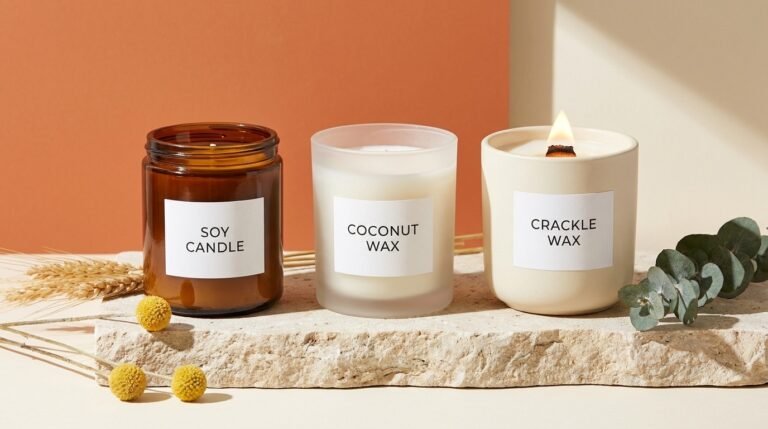
Most candles are petroleum wax and undisclosed synthetic fragrance, burned in a closed room for hours. Here are the non-toxic candles that skip all of it, vetted on wax, wick, and scent.