The Best Non-Toxic Skincare Brands, Actually Vetted
You flip the bottle over. The front says “clean.” The back says fragrance, a preservative you can’t pronounce, and a color additive that shows up on the label as a number. So which brands actually mean it? Very few.
That’s the whole problem with non-toxic skincare. “Clean,” “natural,” and “non-toxic” have no legal definition, so any brand can print them on anything. We wrote a whole guide on the ingredients actually worth avoiding and another on the hormone disruptors hiding in cosmetics, and the short version is: the label on the front tells you nothing. The certifications on the back tell you almost everything.
So here’s how we picked. Three things had to line up:
- Certification: a real third-party mark. EWG Verified, MADE SAFE, COSMOS Organic, NATRUE, or B Corp.
- Transparency: a full ingredient list you can actually check.
- Ownership: disclosed for every brand, never used as a veto. A lot of “clean” brands are quietly owned by the same conglomerates selling the products we warn about, and where that’s true of a pick here you’ll find it in its spec line.
If you want the one-line version: True Botanicals has the strongest paperwork of anyone here and its Chebula serum at $90 is where the money goes. If that number stops you, Versed does the everyday job for under $15 and nothing about it feels like a compromise.
These made the cut.
Our picks at a glance
- Best overall: True Botanicals
- Best certified organic: KORA Organics
- Best for sensitive skin: Pai Skincare
- Best for dry skin: Weleda
- Best for body care: Osea
- Best budget: Versed
- Best everyday pick: Well People
- Best for families: Attitude
- Best low-waste: Faith In Nature
| Brand | Start with | Certifications | Ownership |
|---|---|---|---|
| True Botanicals | Chebula Active Serum, $90 | MADE SAFE, EWG Verified, B Corp | Independent |
| KORA Organics | Noni Glow Face Oil, $78 | COSMOS Organic, EWG Verified | Founder-owned |
| Pai Skincare | Rosehip BioRegenerate Oil, $54 | COSMOS Organic, B Corp, Vegan Society | Famille C, since 2023 |
| Weleda | Skin Food Original, $22.99 | NATRUE, B Corp | Independent, foundation-held |
| Osea | Undaria Algae Body Oil, $52 | The Climate Label, Leaping Bunny | Independent, family-owned |
| Versed | Dew Point, $14.99 | Leaping Bunny | Clique Brands |
| Well People | Daygleamer SPF 34, $26 | EWG Verified, Leaping Bunny | e.l.f. Beauty, since 2020 |
| Attitude | Super Leaves Body Wash, $12.95 | EWG Verified, Leaping Bunny | Founder-owned |
| Faith In Nature | Coconut body wash, 400 ml | B Corp, Vegan Society, Leaping Bunny | Independent |
Prices checked on each brand’s own storefront on August 19, 2026, at full price. Two notes worth having before you click: Pai charges considerably more on its US store than its UK one, and Faith In Nature has no US storefront at all, which is why it’s the one brand here with no price. Its own shop is UK-only and prices in pounds, so American readers buy it through Target, Walmart and Sam’s Club instead, at whatever those charge that week.
True Botanicals: the one with the strongest paperwork
Best for: sensitive skin and anyone who wants the certifications to do the deciding | Price: serums past $90 | Start with: Chebula Active Serum, 1 oz, $90 | Certifications: MADE SAFE, EWG Verified, B Corp | Ownership: independent
If you only trust certifications, start here. True Botanicals is both MADE SAFE and EWG Verified, which is a rare pairing, and it backs the clean positioning with actual clinical testing rather than vibes. The serums and oils are the standouts, built around biocompatible botanicals for sensitive and reactive skin.
The catch is the price. This is premium skincare, and a single serum runs past $90. You’re paying for the third-party verification and the clinical work, which is a fair trade if your skin reacts to everything, but it isn’t a casual purchase.
KORA Organics: celebrity-founded, but the cert is real
Best for: people who want certified-organic actives without going fully minimalist | Price: $47–$80 | Start with: Noni Glow Face Oil, 30 ml, $78 | Certifications: COSMOS Organic, EWG Verified | Ownership: founder-owned (roughly 95% Miranda Kerr)
Celebrity beauty brands earn skepticism, and most of it is deserved. KORA is the exception, because Miranda Kerr’s line is certified COSMOS Organic by ECOCERT, one of the hardest organic standards to hold, and it cites EWG Verified on top of that. The Noni line has a genuine following for a reason.
It sits in the mid-to-premium range, and the essence and oils are where people notice the difference. Not the cheapest way into organic skincare, but the certification is the real thing, not marketing.
Pai Skincare: built for skin that reacts to everything
Best for: reactive, sensitive, or rosacea-prone skin | Price: $49–$89 | Start with: Rosehip BioRegenerate Oil, 30 ml, $54 | Certifications: COSMOS Organic, B Corp, Vegan Society | Ownership: owned by Famille C Participations (since 2023)
Pai started because its founder couldn’t find anything her own sensitive, reactive skin could tolerate. That origin shows up in the formulas. The brand is a certified B Corp, Soil Association COSMOS organic, and Vegan Society registered, which is about as complete a stack as you’ll find in one place.
Everything is made in its own facility in London, and the ranges are deliberately short and fragrance-conscious. If rosacea, eczema, or unexplained redness is your thing, this is the one to try first.
Weleda: a century old and still the honest option
Best for: dry skin, and anyone who wants clean without a premium markup | Price: $16–$30 | Start with: Skin Food Original, 2.5 fl oz, $22.99 | Certifications: NATRUE, B Corp | Ownership: independent (held by two non-profit foundations)
Weleda has been making natural skincare since 1921, which means it was doing this roughly ninety years before “clean beauty” became a marketing category. Every product is NATRUE-certified natural, and the company is a certified B Corp. The Skin Food moisturizer is a genuine cult product, and most of the face range is affordable.
The aesthetic is more apothecary than luxury, and the textures run rich, which not everyone loves. But for heritage, transparency, and price all at once, very little competes.
Osea: the seaweed specialist doing one thing well
Best for: dry skin and body care, plus anyone who likes a brand with a clear point of view | Price: $54–$92 | Start with: Undaria Algae Body Oil, 5 fl oz, $52 | Certifications: The Climate Label (formerly Climate Neutral), Leaping Bunny | Ownership: independent, family-owned since 1996
Osea has built its whole identity around one ingredient: sustainably harvested seaweed. The brand is vegan, cruelty-free, and has run on eco-conscious sourcing and recyclable packaging since 1996, long before it was trendy. The Undaria Algae Body Oil is the piece everyone talks about. Deservedly so.
It’s a narrower line than the others here, focused on hydration and glow rather than a full clinical routine. Pricing is mid-range. If you want a body and face oil that feels like a treat and holds up on ingredients, this is it.
Versed: proof that clean doesn’t have to be expensive
Best for: budgets, beginners, and anyone tired of paying a premium for “clean” | Price: mostly under $25 | Start with: Dew Point moisturizer, 2 fl oz, $14.99 | Certifications: Leaping Bunny | Ownership: owned by Clique Brands
Here’s the one that breaks the “non-toxic costs a fortune” assumption. Versed is dermatologist-tested, keeps most of the line under $25, and its Daily Recovery barrier cream carries the National Eczema Association seal. You can find it at Target, which matters when the alternative is a boutique checkout with a $60 minimum.
It won’t have the deep organic certifications of a Pai or a True Botanicals, and the formulas are more mass-market than artisanal. But for an affordable clean routine that a dermatologist signed off on, it’s hard to beat.
Well People: EWG Verified, quietly reliable
Best for: an everyday routine that just needs to be clean and legit | Price: $16–$26 | Start with: Daygleamer Mineral Sunscreen Serum SPF 34, $26 | Certifications: EWG Verified, Leaping Bunny | Ownership: owned by e.l.f. Beauty (since 2020)
Well People doesn’t shout, which is part of why it’s easy to miss. EWG’s directory lists 95 EWG Verified products across its skincare and clean makeup, which is the widest verified range we know of, and the price doesn’t climb to match. The tinted products in particular punch above their cost.
It’s not the most exciting brand on this list, and that’s sort of the point. It’s a dependable, verified, affordable option you can restock without overthinking.
Attitude: the cheapest EWG Verified line you’ll find
Best for: families and anyone replacing a whole shelf at once | Price: $9–$13 | Start with: Super Leaves Body Wash, 16 fl oz, $12.95 | Certifications: EWG Verified, Leaping Bunny | Ownership: founder-owned since 2006
Attitude, out of Canada, has quietly built one of the largest catalogs of EWG Verified products anywhere, across skincare, body, and home. The prices are low, the verification is real, and the ingredient lists are short. For families trying to swap out an entire bathroom without remortgaging, this is usually the answer.
The tradeoff is that the formulas are functional rather than luxurious. You’re buying verified-safe basics at a great price, not a spa experience. For most people, most of the time, that’s exactly right.
Faith In Nature: refillable, affordable, low-waste
Best for: low-waste routines and value shopping | Start with: the Coconut body wash, 400 ml, though see the note below on buying it in the US | Certifications: B Corp, Vegan Society, Leaping Bunny | Ownership: independent
Faith In Nature has been making naturally derived, vegan, cruelty-free care since 1974, and it’s a certified B Corp. What sets it apart on this list is the packaging: refillable bottles and a real commitment to cutting single-use plastic, not a token gesture. It’s also one of the most affordable ways to shop your values.
It leans more toward hair, body, and everyday basics than high-performance facial actives, so pair it with one of the treatment-focused brands above if that’s what your skin needs. As a low-waste, low-cost foundation, though, it’s a standout.
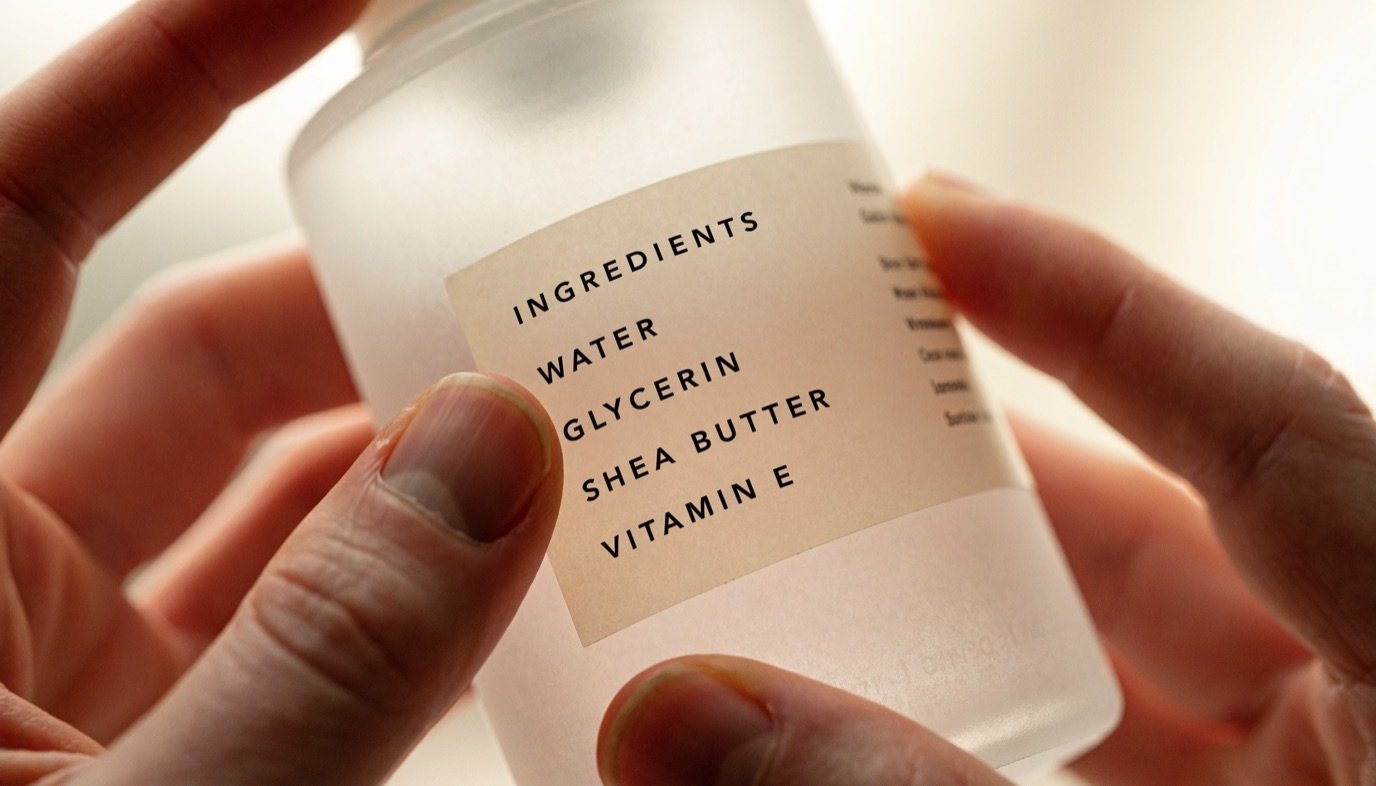
What to look for on the back of the bottle
Skincare is where the ingredient panel is longest and the marketing is loudest, so it helps to have a short list of things that actually decide something. Ours has four.
Undisclosed fragrance. The single highest-yield thing to avoid, because one word can stand in for dozens of undeclared ingredients and it sits on your face all day. The EU now requires more than 80 fragrance allergens to be named. The US requires none.
Formaldehyde releasers, mostly in cleansers and anything that foams. DMDM hydantoin is the one you’ll meet most, and the reason to care is contact allergy rather than the cancer headline.
The filters in your SPF, if you use a chemical sunscreen daily. Oxybenzone shows up in blood at levels far above the FDA’s threshold for wanting more data, and octinoxate travels with it into products where you’d never look for it.
And then the long tail of ingredients that sound alarming and aren’t. Hydroxyacetophenone, methylpropanediol, butylene glycol, potassium sorbate and PEG-100 stearate all get flagged by apps and none of them earns the worry. We wrote each one up separately, and our guide to the ingredients that do earn scrutiny is the shortcut if you’d rather read one thing.
How to actually choose one
Don’t start with the brand. Start with your skin and your budget, then let the certification break the tie.
If your skin reacts to everything, Pai or True Botanicals. If you want certified organic actives, KORA. If money is the deciding factor, Attitude, Versed, or Faith In Nature will get you a clean routine for the price of one boutique serum. And if you just want a trustworthy everyday moisturizer without a research project, Weleda’s Skin Food has been the safe answer for a hundred years.
The one rule that never changes: flip the bottle over, and trust the certification on the back before the promise on the front.
Frequently asked questions
What does “non-toxic skincare” actually mean?
There’s no legal definition, which is exactly why the term gets abused. In practice, a non-toxic brand avoids ingredients linked to hormone disruption and irritation (like undisclosed “fragrance,” certain parabens, and formaldehyde releasers) and, ideally, proves it with a third-party certification such as EWG Verified, MADE SAFE, or COSMOS Organic.
Are non-toxic skincare brands more expensive?
Some are, but plenty aren’t. Attitude, Versed, Well People, and Faith In Nature all offer certified or dermatologist-tested clean products at drugstore prices. The premium brands like True Botanicals cost more because of clinical testing and deeper certifications, not because clean has to be expensive.
Which certification should I trust most?
For everyday skincare, EWG Verified and COSMOS Organic are the two strongest signals, because both audit the full ingredient list against strict criteria. MADE SAFE is excellent for avoiding hazardous chemicals specifically. B Corp status tells you about the whole company’s ethics rather than a single product, so it’s a bonus rather than an ingredient guarantee.
Do I need to replace my whole routine at once?
No, and it’s the most expensive way to do this. Swap in order of contact time and surface area: whatever stays on your skin longest and covers the most of it, changed first. That usually means body wash and body lotion before a serum, and daily SPF before a weekly mask. A cleanser you rinse off in thirty seconds is the last thing worth paying a premium for.
Is a certification worth paying more for?
Sometimes. The ones that mean something here are MADE SAFE, EWG Verified, COSMOS Organic and NATRUE, because each publishes its standard and checks the finished product rather than taking a brand’s word for it. What you’re paying for is the audit, not better skincare, and plenty of good products skip certification because it’s expensive for a small brand. Treat the mark as a shortcut when you don’t want to read the label, not as proof that an uncertified product is worse.
Is “clean at Sephora” the same as non-toxic?
Not exactly. Retailer “clean” badges set their own rules, which are usually looser than an independent certification. A brand can qualify for a store’s clean label while still using ingredients a stricter standard would exclude. Treat retailer badges as a starting filter, not proof.
Related reading
Want the reasoning behind the ingredients these brands leave out? Start with our guide to the skincare ingredients worth avoiding, then read up on endocrine disruptors in cosmetics for the science underneath it. Every brand above has a scored profile in our brand directory.