Is Caraway Cookware Worth It? Why It’s Not in Our Directory
Caraway did something clever. It took a category nobody photographed, made it come in sage and cream, and built the first cookware brand people actually wanted on a countertop. The marketing is excellent and the pans look wonderful.
We scored it 3.1. That’s the lowest number we’ve given anything, and it’s worth explaining, because “is Caraway worth it” is a question a lot of people are asking right now.
Short answer, up front
Caraway is a good-looking pan with a coating that’s a consumable, sold at a price that assumes it isn’t. It carries no third-party certification of any kind. If you buy it knowing you’ll replace it in a few years, it’s fine. If you’re buying non-toxic cookware to stop replacing pans, it’s the wrong purchase.
The coating is the whole issue
Caraway’s selling point is that it’s not PTFE. That’s true and it matters, and if you’re here because of what you’ve read about PFAS in nonstick cookware, Caraway does answer that.
What replaces it is a sol-gel ceramic coating. Those work beautifully at first and then degrade. Heat cycling, utensils, dishwashers and time all wear the nonstick property away, and there is no repairing or reseasoning it. Once it stops releasing, the pan is done.
That’s not a defect and it isn’t unique to Caraway. It’s how ceramic nonstick behaves across the whole category. The problem is the pairing: a consumable surface at a premium price, marketed as the responsible long-term choice.
No certification at all
This is the part that hurt the score most. Caraway carries no third-party certification we could verify. Not a materials certification, not an emissions one, not a company one.
The brand says its coatings are free of PTFE, PFOA, lead and cadmium. We have no reason to doubt that. But “the brand says” is exactly the thing our whole rubric exists to distinguish from “someone independent checked,” and on that measure Caraway has nothing to show.
Plenty of cookware brands don’t carry certifications either. Most of them also don’t charge Caraway’s prices or lean as hard on the health framing.
The tell that settled it
We drafted a Caraway profile before deciding. It ended up telling readers to buy Lodge or Made In instead.
That’s the moment the decision made itself. A recommendation that recommends something else isn’t an endorsement, and our directory is endorsements only. The profile and its image were deleted rather than left sitting as a draft.
It became a useful calibration point. If a draft argues against itself, the brand fails the inclusion test whatever the number says.
What we’d buy instead
If you want nonstick and you accept it’s a consumable, buy a cheaper ceramic pan and replace it without feeling robbed.
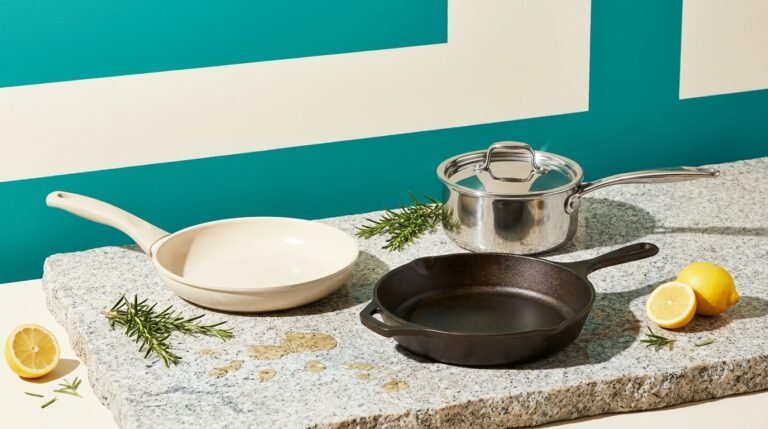
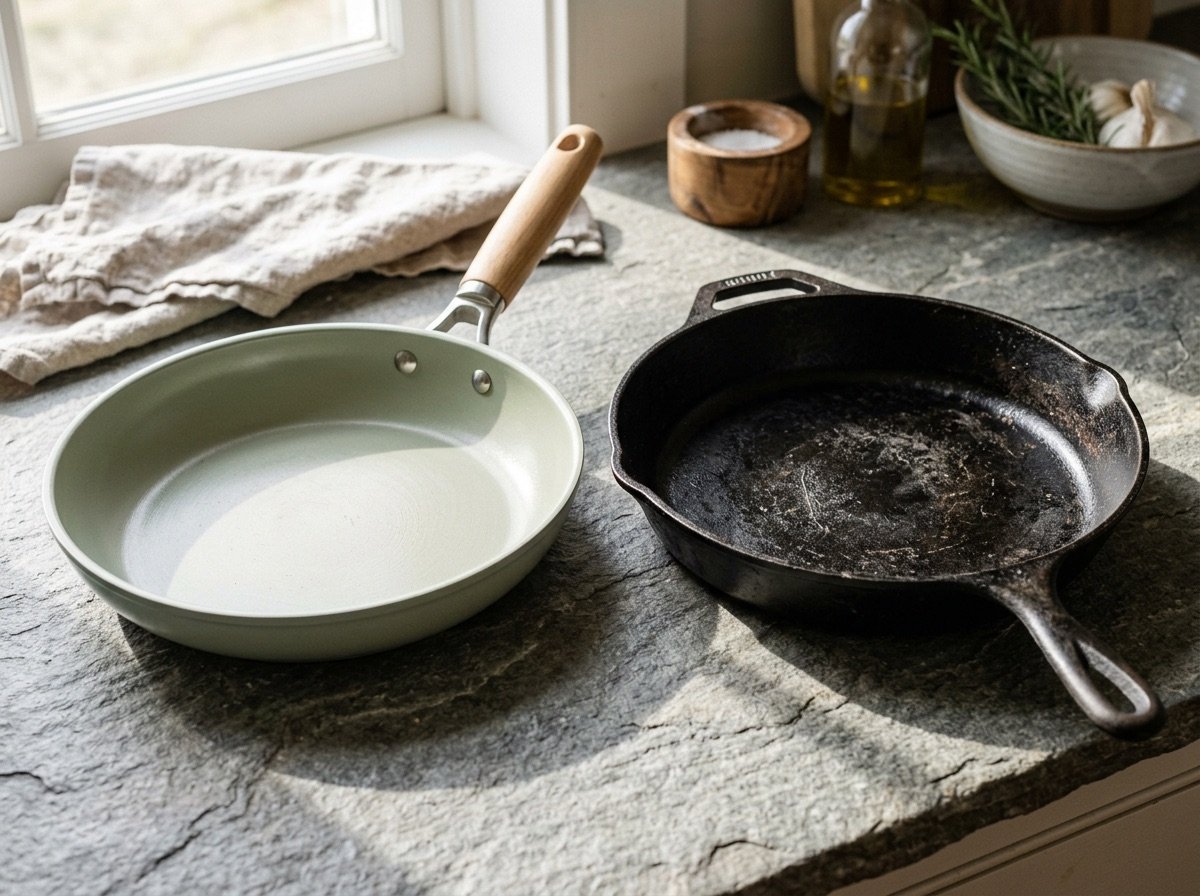
If you want to stop buying pans, buy uncoated. Lodge cast iron has been made in Tennessee since 1896, costs from about $20, and outlives its owner. Made In does stainless that cooks like a restaurant kitchen. Xtrema is pure ceramic with no coating to fail at all.
All three are in our non-toxic cookware roundup, and all three scored higher.
So, is Caraway worth it?
For the look, and for a few years of easy cleanup, sure. Go in expecting to replace it.
As the last cookware you buy, no. That’s what it’s marketed as and that’s not what a ceramic coating can do. Our greenwashing guide covers how “non-toxic” became a design language rather than a claim anyone has to prove.
Frequently asked questions
Why isn’t Caraway in your brand directory?
It scored 3.1, our lowest rating, and it failed our inclusion test: the draft profile ended up recommending Lodge and Made In instead. The directory only contains brands we’d actively recommend, so a profile that argues against itself doesn’t belong in it.
Is Caraway cookware actually non-toxic?
Its coatings are free of PTFE and PFOA, which is the main thing people are avoiding, and the brand states they’re free of lead and cadmium too. There’s no third-party certification backing any of it, so you’re taking the company’s word rather than an auditor’s.
How long does Caraway cookware last?
The pan lasts a long time; the nonstick coating doesn’t. Sol-gel ceramic surfaces degrade with heat cycling and use, typically within a few years, and can’t be repaired or reseasoned. Once the release goes, the pan’s useful life is over.
What’s the best alternative to Caraway?
Depends what you want. Lodge cast iron if you want something that lasts decades for around $20, Made In stainless if you want restaurant-grade performance, or Xtrema if you want pure ceramic with no coating that can fail. All three are in our non-toxic cookware roundup.