The Best Zero-Waste Swaps for a Plastic-Free Home
Ever counted how much single-use plastic passes through your kitchen in one week? The cling film over last night’s leftovers. The produce bags. The paper towels you burn through by Wednesday. The cleaning spray you’ll empty and rebuy in a month, identical bottle and all. It stacks up faster than almost anyone guesses.
Here’s the reassuring part. You don’t have to overhaul your whole life to cut most of it.
Going fully zero-waste overnight is a myth, and a stressful one at that. Nobody actually does it. What real people do is swap a few high-frequency habits for versions that last, and let those small changes quietly add up. That’s the whole game. Less plastic moving through the house, less money spent rebuying the same disposable thing, and no guilt trip required.
We already covered the ingredients worth keeping out of your cleaning cupboard in a separate guide. This one is about the swaps themselves: what to actually buy, from brands that aren’t just slapping a green leaf on the same old plastic. Because plenty are. If you want the full playbook on spotting that, our greenwashing guide breaks it down.
Here’s where we’d start.
Swap paper towels for cloths you’ll actually reuse
Start with the thing you grab 10 times a day without thinking. Paper towels are the definition of single-use: made once, used for four seconds, tossed. A roll a week, sometimes more, wrapped in (you guessed it) plastic.
Marley’s Monsters makes what they call “unpaper towels,” cotton cloths that snap together and roll onto a holder just like the paper kind. You use one, toss it in the wash, and it comes back for round two. And round 50. The company is a small, woman-owned operation out of Oregon that’s been at this since before it was trendy.
The honest tradeoff: you have to actually wash them. If a basket of dirty cloths sounds like a bridge too far, keep a small stack for everyday spills and hang onto a paper roll for the truly grim stuff. Nobody’s grading you.
Start here if: you go through paper towels faster than any other disposable in the house.
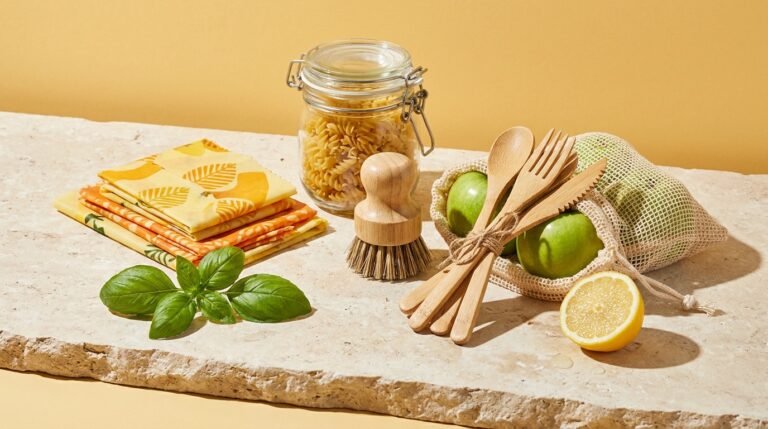
Beeswax wraps instead of cling film
Cling film can’t be recycled. Almost nowhere takes it, because the thin, stretchy plastic tangles up recycling machinery, so every sheet you’ve ever used is still out there somewhere. The little numbered triangle stamped on the rest of your kitchen plastic promises a lot less than it looks like it does, and we went through what the recycling numbers actually mean.
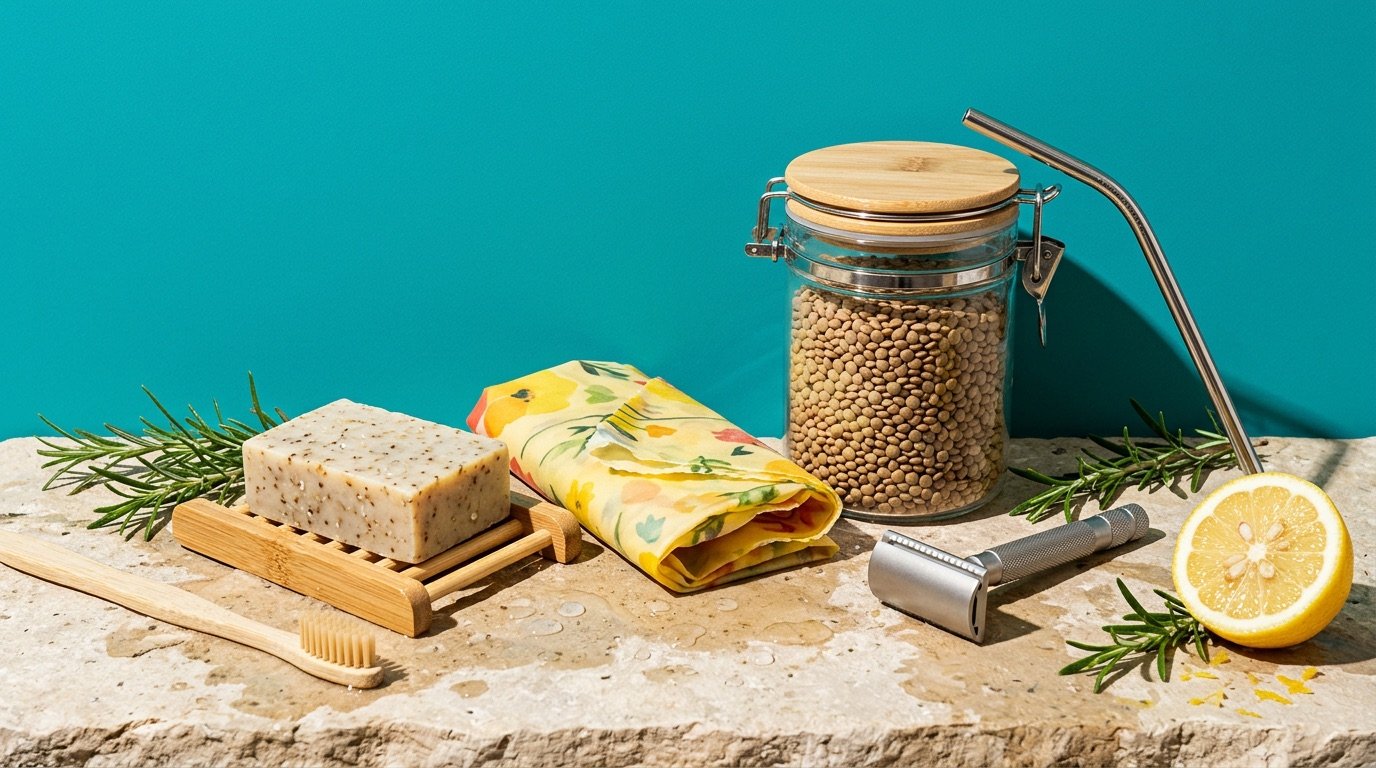
Bee’s Wrap handles the leftovers problem without any of that. It’s cotton coated in beeswax, jojoba oil, and tree resin, and the warmth of your hands softens it enough to mold over a bowl or fold around half a lemon. It holds the shape when it cools. One wrap lasts the better part of a year, though the tack starts fading before that, and when it finally gives out you can compost it or cut it into fire-starters.
It won’t work for raw meat, and you wash it in cool water only, since hot melts the wax. Small rules. Easy to live with once they’re habit.
Silicone bags for the whole Ziploc habit
You might assume a reusable sandwich bag is a fussy, leaky compromise. It isn’t, and that surprised me more than almost anything on this list.
Stasher makes bags from platinum silicone, the same stuff used for baby bottle nipples, and they’re built to take a beating. Freezer, microwave, dishwasher, even a pot of simmering water for sous vide. One bag quietly retires a few hundred plastic ones over its life. They seal with a pinch-lock that actually holds, so soup doesn’t end up in your lunch box.
The sting is the upfront price. A single Stasher runs north of $12, which feels steep next to a box of 50 flimsy plastic bags for a couple of dollars. But you buy it once. Do the math over a year of packed lunches and it isn’t close.
Worth it for: anyone who packs lunches or freezes a lot, and buys the baggie box on repeat.
Stop rebuying cleaning spray. Refill it.
Here’s something a little absurd about most cleaning spray: you’re paying to ship water. An all-purpose cleaner is mostly water with a small active ingredient doing the work, packed into a brand-new plastic bottle every time, trucked across the country, and sold to you at a markup.
Blueland breaks that loop. You buy their bottle once, drop in a little cleaning tablet, fill it with water from your tap, and wait for it to dissolve. When it’s empty you don’t even buy a new bottle. You buy another tablet, and the refills ship in a small paper packet instead of a plastic jug. Blueland is a certified B Corp, and the same system covers hand soap, dish soap, and laundry.
Fair warning: the drop-a-tablet-and-wait routine takes a beat longer than grabbing a pre-mixed bottle off a shelf. A couple of minutes, once. After that it’s just spray as usual.
The bathroom is where the plastic really hides
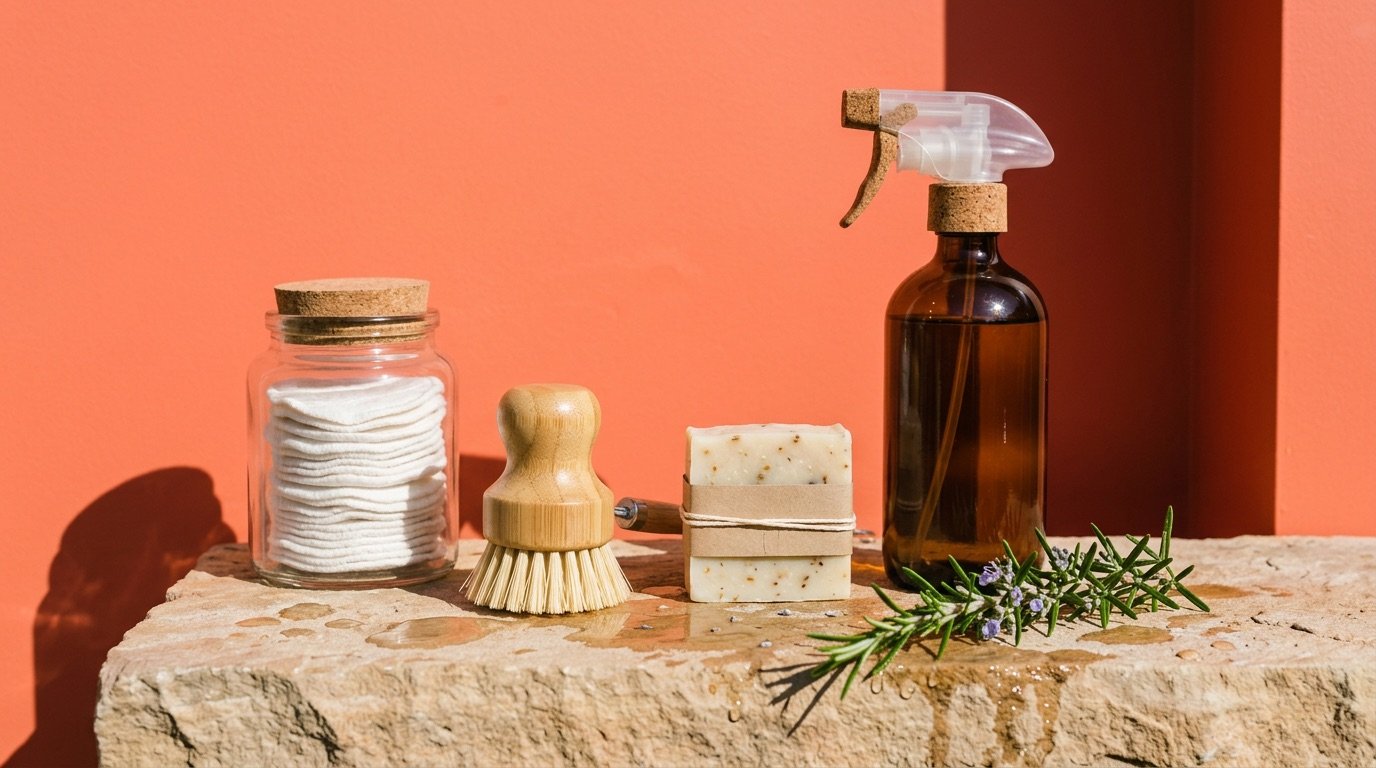
You may have never clocked how much of your bathroom is disposable plastic. The toothbrush you swap every few months. The razor. The shampoo bottle, the shower gel bottle, the tub of cotton rounds. It’s a lot, and almost all of it is replaceable.
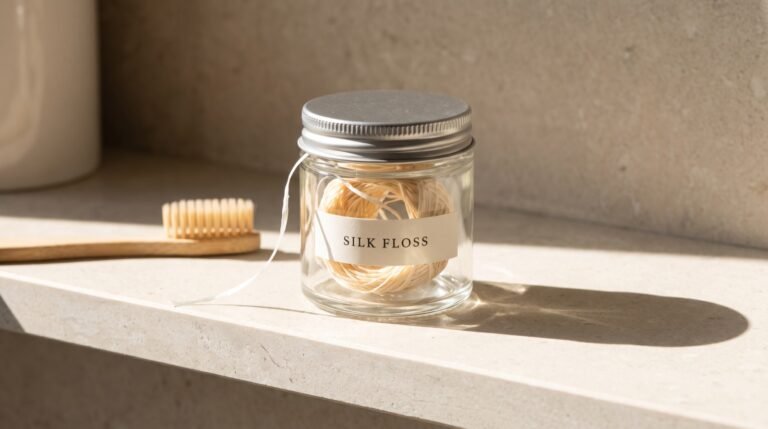
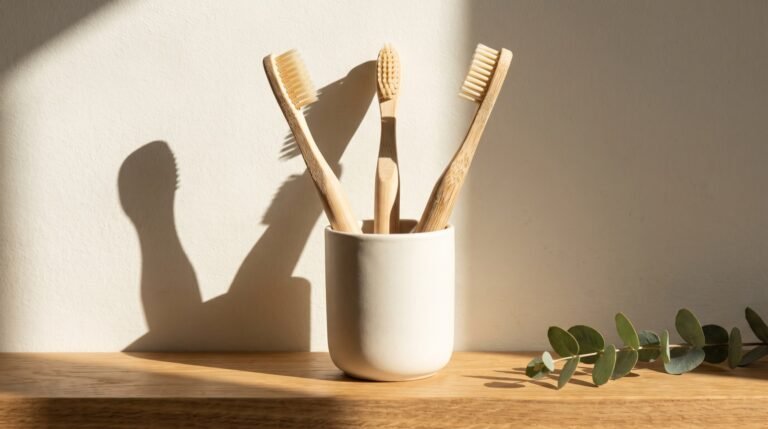
Jungle Culture is the closest thing to a one-stop plastic-free bathroom kit. Bamboo toothbrushes, a metal safety razor that lasts years (you just swap the blade), shampoo and soap bars that skip the bottle entirely, reusable cotton rounds. It’s a UK brand that ships internationally, and the range is properly thought through rather than a token “eco” shelf.
If I were picking one swap from this whole list to start with, it’d be the safety razor from Jungle Culture. You buy it once and you’re basically done with disposable razors for life, the blades cost pennies, and the shave beats the plastic three-blade thing you’re used to. There’s a small learning curve for the first week. Then you stop thinking about it.
Bar soap needs a dish that drains or it turns to mush, and a bamboo brush wants to dry out between uses. Minor stuff. The plastic you’re not buying more than makes up for it.
Toilet paper that skips the plastic wrap
Who Gives A Crap got started when its founder sat on a toilet, on camera, and refused to move until the crowdfunder hit its target. The stunt worked. What kept it going is the product.
Their toilet paper comes in recycled or bamboo versions, each roll wrapped in paper (never plastic) and shipped to your door in a cardboard box. Torn between the two? Recycled comes out ahead on the scorecard, and we broke down how bamboo and recycled toilet paper compare. The wrappers are cheerful enough that people leave them out on the shelf. And the company puts 50% of its profits toward building toilets and sanitation in communities that need them. Half!
You buy it in bulk, boxes of 24 or 48, so you need somewhere to stash it. For most households that’s the only catch, and a full box means you stop thinking about toilet paper for months.
Ditch the detergent jug for sheets
Those heavy plastic detergent jugs are one of the bulkiest, least-recycled things in the average laundry room. Big, awkward, and usually landfill-bound even when you mean well.
Earth Breeze swaps the jug for detergent sheets: thin, pre-measured strips that dissolve in any water temperature, hot or cold. They ship flat in a cardboard sleeve that fits through the mail slot, weigh almost nothing, and take up about as much room as a paperback. One sheet does one load. Tear it in half for the small ones.
One caveat on the plastic-free claim itself: the film that dissolves in your machine is a polymer, and the fight over whether that counts as plastic went all the way to a regulator. Here’s what’s really in a detergent sheet.
On set-in stains they can run a little softer than a heavy liquid, so pre-treat the bad spots and you’re fine. For everyday laundry, most people can’t tell the difference. If detergent’s the swap you most want to get right, we ranked the best non-toxic laundry detergents separately.
Best for: anyone who hates hauling and storing those giant detergent jugs.
Bar soap over bottles, for washing up and cleaning both
The lowest-plastic option was sitting in your grandmother’s bathroom the whole time. A bar of soap. No pump, no bottle, no plastic, just soap.
Meliora takes that idea and runs it across the whole house. They’re MADE SAFE certified and a certified B Corp, based in Chicago, making soap bars, cleaning bars, and refillable powders with ingredient lists you can actually read. No synthetic fragrance or dyes, and no plastic in the packaging. Even the shipping skips it.
The bars need a draining dish or they go soft, and the look is plain rather than luxe. If you want your bathroom to feel like a spa, this isn’t that. If you want it to work and skip the plastic, it very much is.
You don’t have to do all eight
Real talk: nobody swaps everything at once, and you shouldn’t try. Pick the one habit that bugs you most, or costs you most, change that, and let it stick before you add another. Momentum beats a burst of enthusiasm that fizzles out by February.
If you want a running start, the cheapest daily wins are the reusable cloths and the refillable cleaning system. If the bathroom is your plastic black hole, start there instead. And when you’re ready to fill in the rest, one-stop shops like EarthHero and Package Free Shop carry most of these brands under one roof, so you’re not chasing eight separate checkouts.
One swap is not nothing. It’s one less plastic thing moving through your home, every week, for years. That counts.
Frequently asked questions
Are zero-waste swaps actually cheaper, or just greener?
Both, eventually, but not on day one. Almost every swap here costs more upfront and less over time. A $12 silicone bag or a metal safety razor stings next to the disposable version, but each one retires hundreds of single-use products you’d otherwise keep rebuying for years. The reusables that replace a weekly purchase, like cloths, refillable sprays, and bar soap, tend to pay for themselves fastest.
Is a truly “zero-waste” home even possible?
Honestly, no, and any brand telling you otherwise is selling something. Even the most committed households still create waste. The goal isn’t perfection, it’s less: fewer disposable things bought, used once, and thrown out. Swapping five everyday habits puts a real dent in your plastic without demanding sainthood.
Do plastic-free cleaning products actually clean as well?
For everyday messes, yes. Refillable tablet cleaners and bar-based products handle regular kitchen and bathroom jobs just as well as the bottled stuff, because the active ingredients are much the same. The one place to manage expectations is heavy-duty tasks, like set-in laundry stains, where a pre-treat step helps.
If I only make one swap, where should I start?
Pick the disposable you buy most often. For most homes that’s paper towels or cleaning spray, so reusable cloths or a refillable cleaning system give you the fastest everyday payoff. If your bathroom is where the plastic piles up, a bamboo toothbrush and a safety razor are an easy, satisfying first move.
Related reading
Going room by room? We broke out the bathroom swaps and the kitchen swaps in more detail, and if you want to know what’s actually in conventional cleaning products, start with our non-toxic cleaning guide. Every brand we recommend gets a scored profile in our brand directory.